



A vintage Hermès scarf bought for $3 at a garage sale sells for $300 on Depop. A designer blazer discovered at Goodwill transforms into a $150 profit after minor alterations. These aren’t isolated lucky finds – they’re the daily reality of thrift flippers who’ve turned secondhand treasure hunting into six-figure businesses.
Fashion influencers across social media platforms are abandoning traditional content creation for the lucrative world of thrift flipping, where buying, styling, and reselling secondhand clothing has become a legitimate career path. What started as pandemic side hustles have evolved into full-time operations, with top flippers reportedly earning more than many traditional fashion industry professionals.
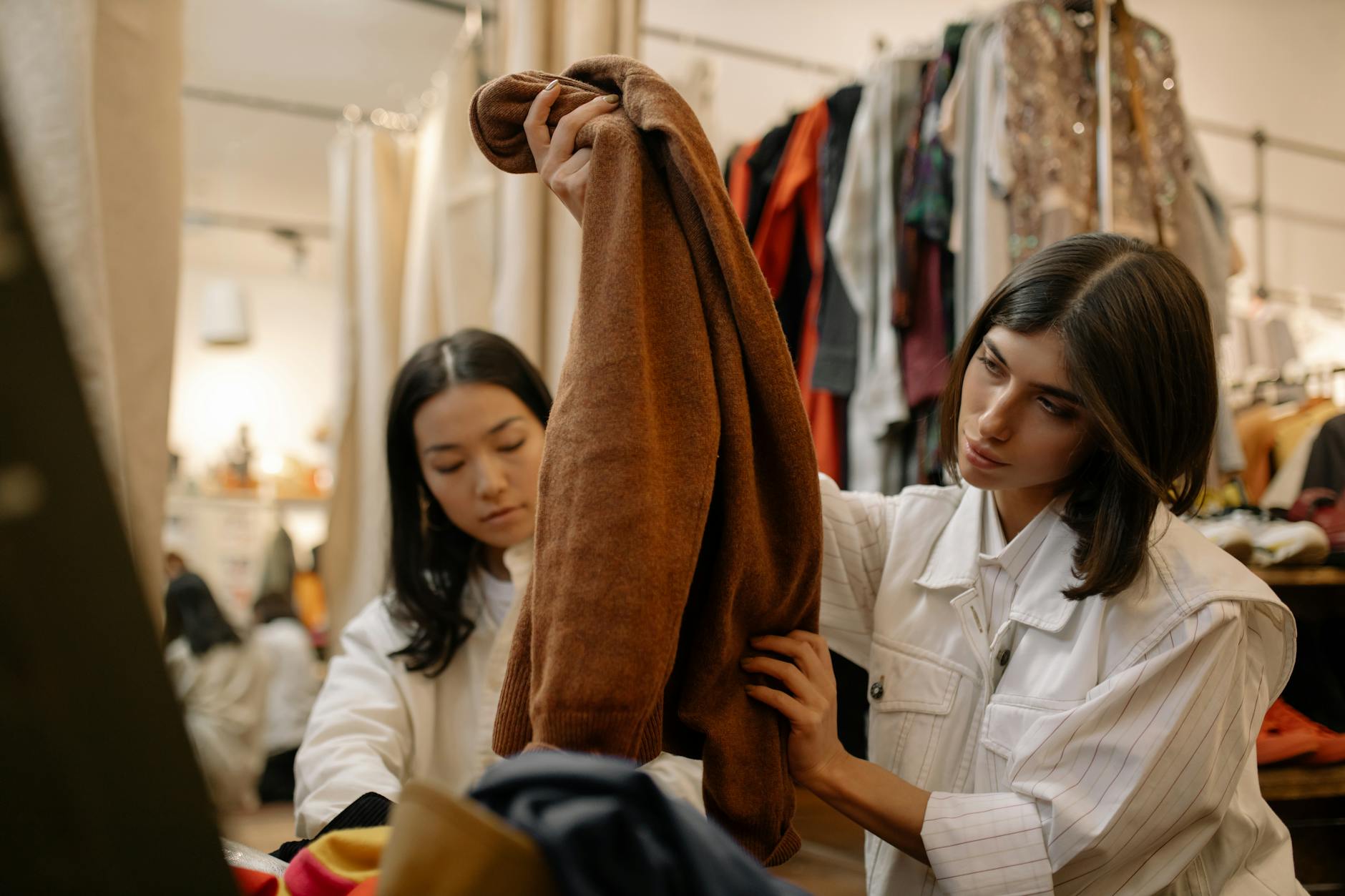
The Economics of Secondhand Success
The numbers behind thrift flipping reveal why influencers are making the career switch. Successful flippers report profit margins between 200-500% on individual items, with top performers moving hundreds of pieces monthly. Unlike traditional influencer income that depends on brand partnerships and sponsored content, thrift flipping offers direct revenue streams through platforms like Depop, Vinted, Poshmark, and Instagram Shopping.
Emma Chamberlain, one of YouTube’s biggest fashion personalities, regularly showcases thrift hauls that sparked mainstream interest in secondhand shopping. Her authentic approach to vintage finds influenced countless creators to start their own flipping operations. Similarly, TikTok creators like Reese Carter have built massive followings by documenting their thrift store adventures and styling transformations.
The business model attracts influencers because it combines their existing skills – styling, photography, and audience engagement – with tangible product sales. Many report earning more from flipping than they ever did from traditional sponsorship deals, while building genuine communities around sustainable fashion practices.
Beyond Basic Reselling: Value-Added Services
Modern thrift flippers go far beyond simple buy-and-sell operations. Many offer styling services, personal shopping experiences, and custom alterations that command premium prices. Some create curated vintage collections for specific aesthetics – cottagecore, Y2K, or minimalist wardrobes – targeting niche audiences willing to pay higher prices for expertly selected pieces.
Technology amplifies their reach and efficiency. Flippers use apps like WhatNot for live auctions, creating real-time shopping experiences that generate immediate sales and viewer engagement. Others leverage AI-powered pricing tools to identify undervalued designer items and optimize their inventory turnover.
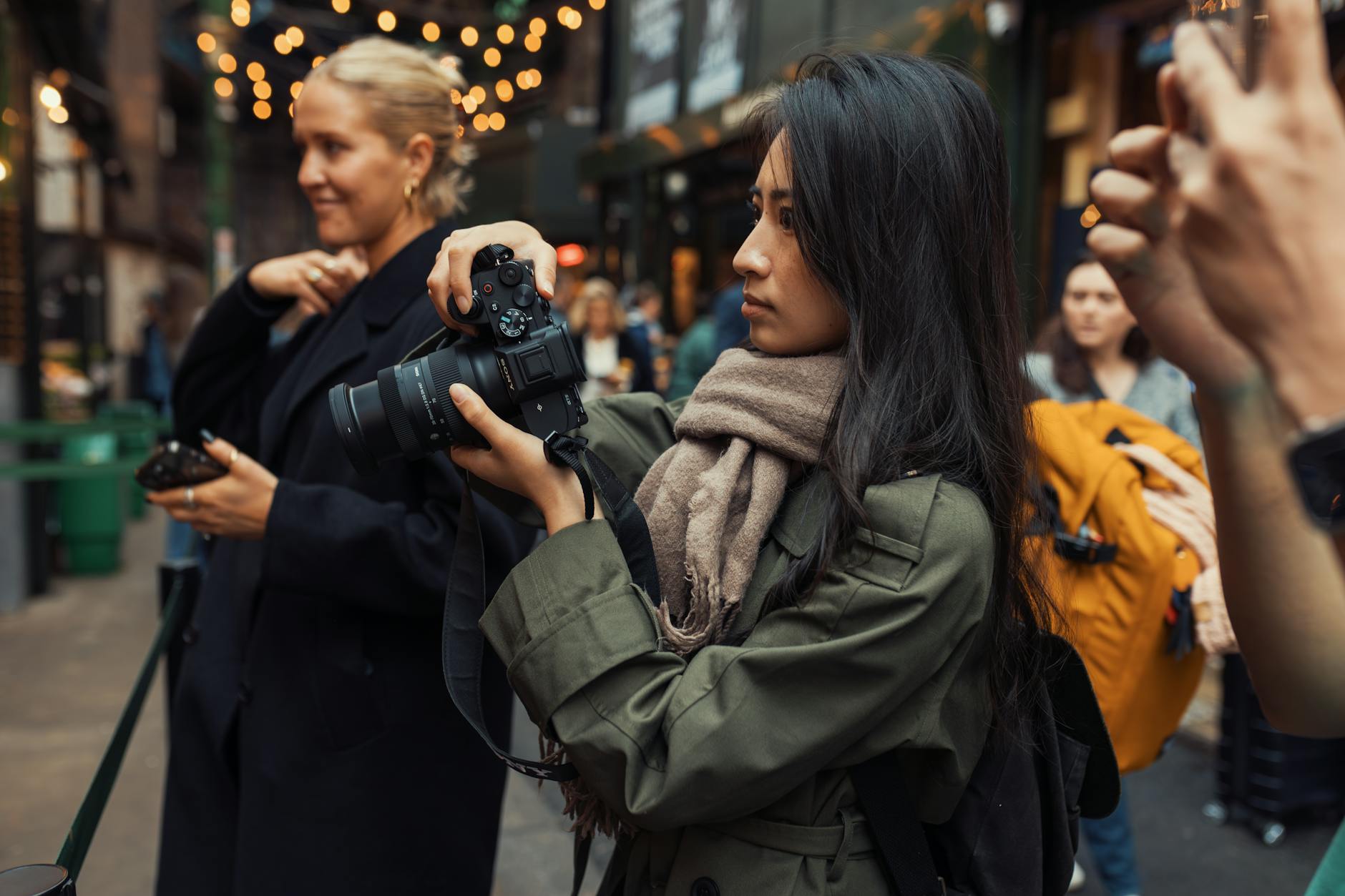
The transformation extends to physical operations as well. Successful flippers often establish dedicated photography studios, invest in professional lighting equipment, and develop streamlined processes for cleaning, photographing, and shipping items. Some partner with local tailors or learn alteration skills themselves, adding value through custom fits and repairs.
Sustainability Meets Profitability
The environmental angle provides both personal satisfaction and marketing advantages for thrift flippers. As consumers become increasingly conscious of fast fashion’s environmental impact, buying secondhand aligns with values while supporting small businesses. This resonates particularly with Gen Z consumers who prioritize sustainability in their purchasing decisions.
Many flippers emphasize the circular economy aspect of their work, positioning themselves as sustainability advocates rather than mere retailers. They educate audiences about textile waste, garment construction quality, and the true cost of fast fashion. This educational component builds trust and loyalty that translates into repeat customers and higher conversion rates.
The trend connects to broader shifts in fashion consumption, where sustainable practices are reshaping even major brands. Thrift flippers capitalize on this momentum by offering curated secondhand alternatives to new purchases.
The Expertise Factor
Successful thrift flippers develop genuine expertise in fashion history, brand identification, and quality assessment. They can spot authentic vintage Chanel from across a crowded thrift store, recognize valuable designer collaborations, and understand which trends are resurging. This knowledge separates professional flippers from casual resellers and justifies their pricing strategies.
Many study fashion history, follow auction houses, and track luxury resale markets to stay informed about valuable pieces. Some specialize in specific eras or designers, becoming go-to sources for particular styles. This specialization allows them to command higher prices and build reputations as trusted authorities in their niches.
Challenges and Future Outlook
The success of thrift flipping brings its own challenges. Increased competition has driven up prices at thrift stores and estate sales, reducing profit margins for newer entrants. Some cities report shortages of quality secondhand inventory as more people enter the flipping market.
Platform changes also affect earnings. When Depop adjusted its fee structure or Instagram modified its shopping features, established flippers had to adapt their strategies quickly. Many diversify across multiple platforms to reduce dependence on any single marketplace.
The future of thrift flipping appears to involve more sophisticated operations. Leading flippers are expanding into wholesale buying, partnering directly with estate sale companies, and even launching their own vintage-inspired brands. Some are transitioning from individual operations to small teams, hiring assistants for sourcing, photography, and customer service.
As sustainable fashion continues gaining mainstream acceptance and secondhand shopping loses any remaining stigma, thrift flipping is likely to professionalize further. The most successful practitioners are already establishing themselves as small business owners rather than just social media personalities, building lasting enterprises that extend beyond current platform trends.
The transformation of thrift flipping from hobby to career reflects broader changes in how people approach work, sustainability, and fashion consumption. For many influencers, it offers the perfect combination of creative expression, environmental impact, and financial independence – a business model that seems perfectly suited for the values-driven economy of the 2020s.
Frequently Asked Questions
How much money can thrift flippers actually make?
Successful thrift flippers report profit margins of 200-500% per item, with top performers earning six-figure annual incomes from reselling secondhand clothing.
What platforms do thrift flippers use to sell items?
Popular platforms include Depop, Vinted, Poshmark, Instagram Shopping, and live auction apps like WhatNot for real-time sales.