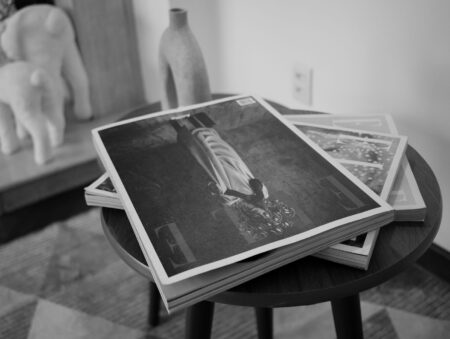





Saturday night house parties are getting quieter – literally. Across major cities, young adults are trading beer pong and loud playlists for intimate vinyl listening sessions where the music takes center stage. These aren’t your typical gatherings with background noise and casual conversation. Guests arrive with specific albums, settle into designated listening areas, and experience music the way artists intended – as a communal, focused activity.
The shift represents more than just nostalgia for analog sound. Record stores report hosting regular listening parties, drawing crowds who previously might have hit bars or clubs. Independent venues are carving out dedicated spaces for these events, complete with high-end turntables and carefully curated seating arrangements. What started as a niche hobby among audiophiles has evolved into a mainstream social movement.
The Ritual of Intentional Listening
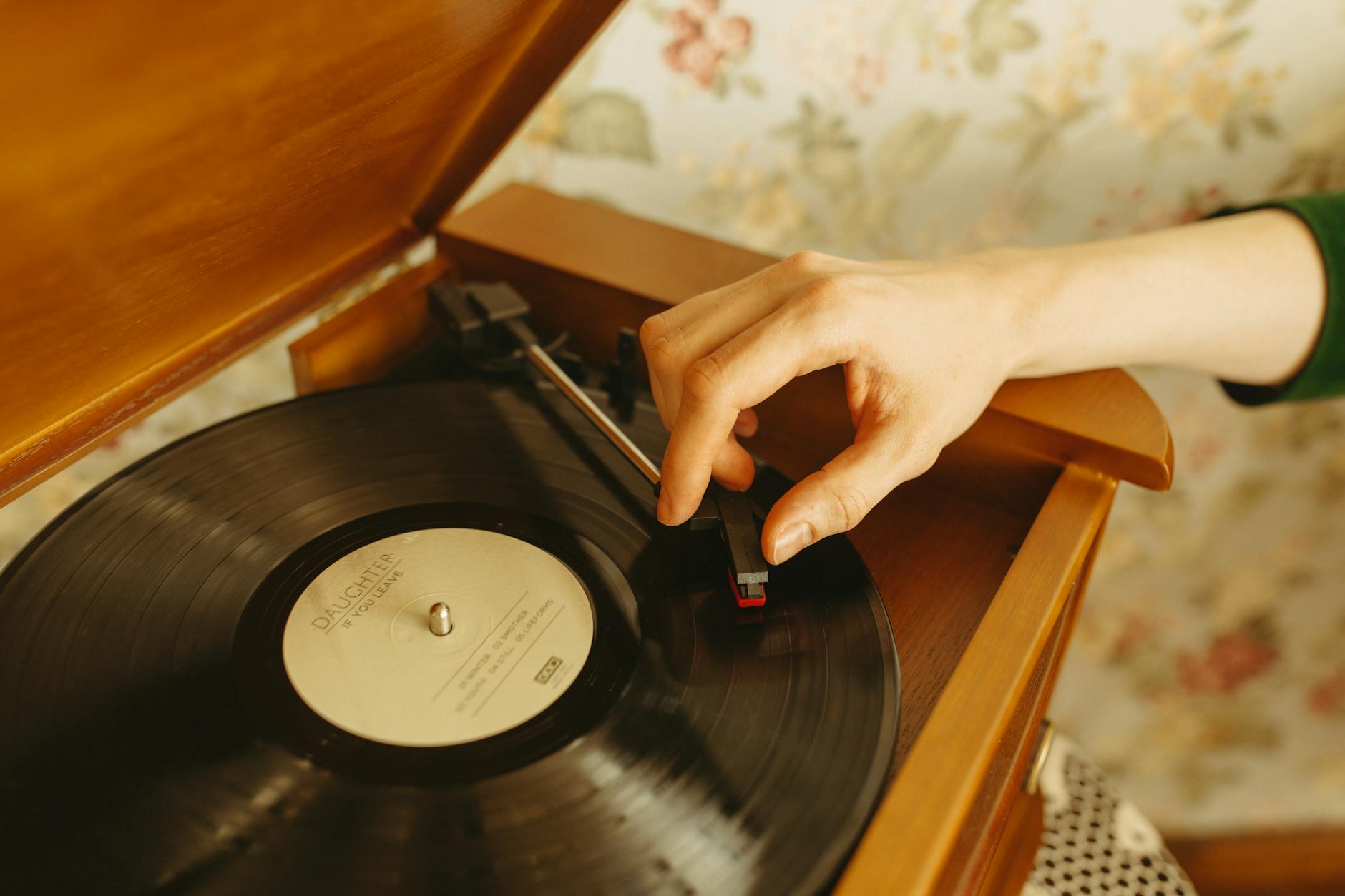
Vinyl listening parties operate on a fundamentally different premise than traditional house parties. Guests typically bring one or two albums to share, often choosing records they’ve never heard or want to experience with others. The host provides the turntable setup – usually a quality system that does justice to the analog format – while attendees contribute snacks and drinks.
The format encourages what participants call “deep listening.” Phones get put away. Conversations pause between tracks. People read liner notes, discuss production techniques, and share stories about how they discovered particular artists. It’s a stark contrast to the constant stimulation of typical party environments.
“The first time I went to one, I thought it would be boring,” says Maria Santos, a 28-year-old marketing professional from Portland. “But there’s something magical about hearing ‘Dark Side of the Moon’ on vinyl with eight other people who are really paying attention. You hear details you’ve never noticed before.”
This intentionality extends beyond just the music. Hosts often prepare themed sessions – ’70s soul, debut albums only, or records from a specific label. Some parties include brief presentations about the albums’ historical context or the recording process. The structure transforms casual music consumption into an educational and social experience.
Building Community Through Shared Sound
The vinyl listening party movement parallels broader cultural shifts toward authentic, in-person experiences. Much like community gardens serving as urban social hubs, these gatherings create genuine connections in an increasingly digital world.
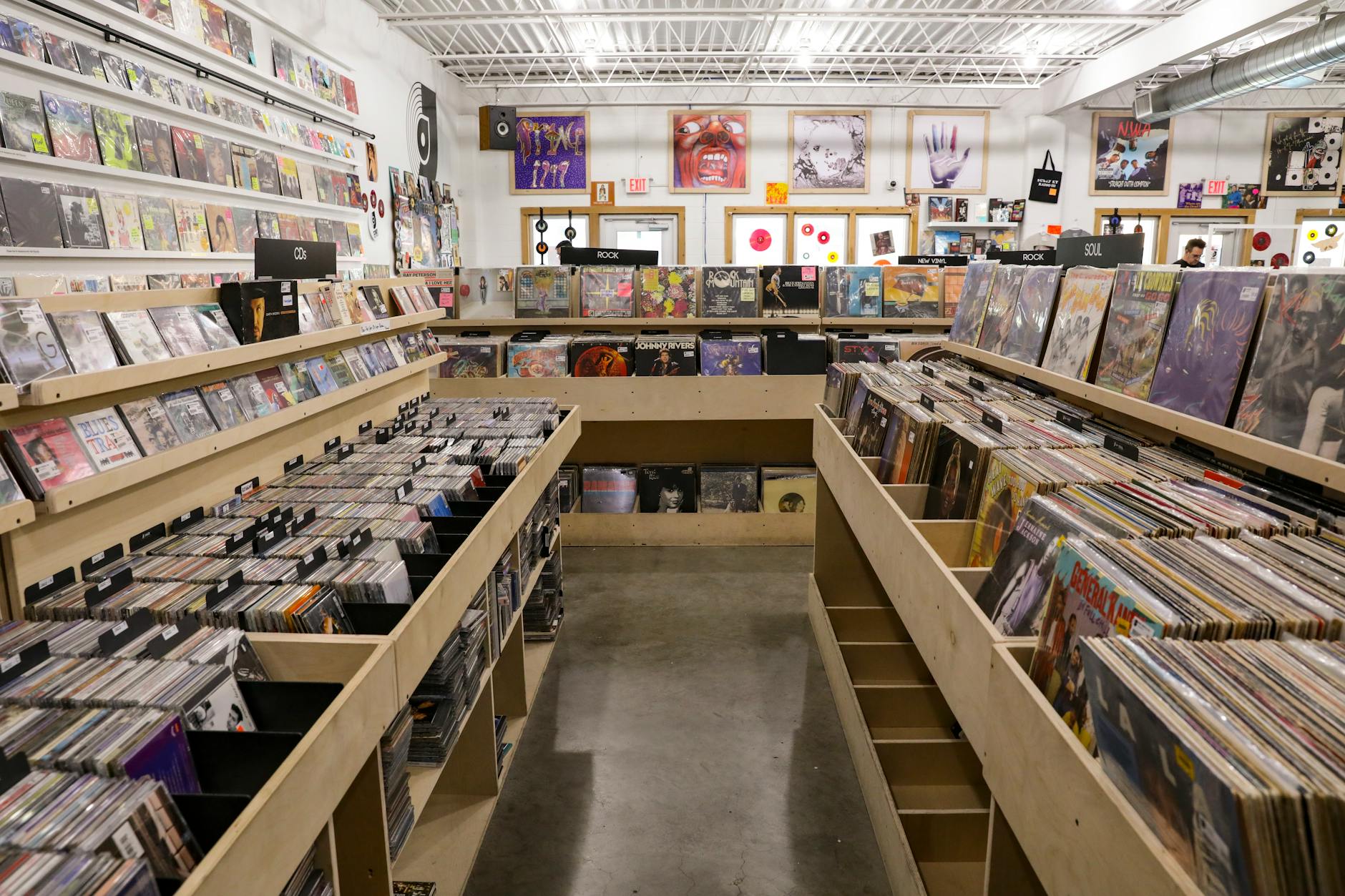
Record stores have become unofficial headquarters for this movement. Amoeba Music in Berkeley hosts weekly listening sessions in their store after hours. Rough Trade locations in Brooklyn and London offer similar events, drawing regulars who’ve formed lasting friendships over shared musical discoveries. Independent shops across smaller cities report similar success with monthly listening parties.
The demographic spans generations in unexpected ways. While millennials and Gen Z drive much of the growth, many events attract older participants who remember when listening to full albums was the norm. This intergenerational mixing rarely happens at typical nightlife venues, creating unique opportunities for cultural exchange and mentorship.
Social media plays an interesting role in these analog-focused gatherings. Instagram accounts dedicated to vinyl listening parties showcase album artwork and group photos, but the emphasis remains on offline experience. Participants often share photos of the evening’s selections before the event starts, building anticipation and encouraging others to attend future sessions.
The Economics of Slower Socializing
Vinyl listening parties offer economic advantages for both hosts and guests. A typical evening costs significantly less than bar hopping or club cover charges. Hosts invest in quality sound equipment – often pooling resources with regular attendees – while participants contribute albums, food, and drinks. The model creates sustainable social activities that don’t require constant spending.
Record labels have begun supporting these gatherings as marketing opportunities. Independent labels sometimes provide advance copies of upcoming releases for listening party debuts. This creates exclusive experiences that can’t be replicated through streaming services, adding value for participants while giving artists direct feedback from engaged listeners.
The format also benefits local businesses beyond record stores. Participants often shop for wine, craft beer, or specialty snacks specifically for these events. Some gatherings partner with local restaurants for catered meals, turning musical evenings into comprehensive cultural experiences.
Venues are adapting their business models to accommodate this trend. Coffee shops host afternoon listening sessions during typically slow periods. Bookstores combine vinyl parties with author readings or poetry events. Co-working spaces offer their sound systems for evening gatherings, creating additional revenue streams while building community among members.
The Future of Analog Social Experiences
The vinyl listening party trend indicates broader appetite for slower, more intentional social activities. As streaming services make music increasingly disposable and background-focused, these gatherings restore music’s role as a primary activity worthy of full attention.
Technology companies have taken notice. Audio equipment manufacturers are developing turntable systems specifically designed for group listening, with multiple headphone outputs and improved acoustics for larger spaces. Some apps now help organize listening parties by allowing participants to vote on albums or coordinate record sharing.
The movement’s growth suggests lasting power beyond current cultural moments. Unlike trends dependent on specific technologies or platforms, vinyl listening parties tap into fundamental human desires for community, discovery, and shared aesthetic experiences. Cities from Austin to Montreal report increasing numbers of regular listening groups, with waiting lists for popular monthly events.
Educational institutions are incorporating elements of this movement into programming. Universities host listening parties in dormitories, while community colleges offer courses that combine music history with hands-on vinyl experiences. This institutional adoption helps establish the format as legitimate cultural activity rather than passing fad.
As traditional nightlife continues evolving post-pandemic, vinyl listening parties represent one answer to questions about meaningful social connection. They prove that slowing down, focusing attention, and prioritizing shared experience over individual consumption can create vibrant social alternatives. The turntables may be analog, but the social innovation is thoroughly contemporary.
Frequently Asked Questions
What happens at a vinyl listening party?
Guests bring albums to share, listen together on quality turntables, and focus on the music without distractions like phones or background conversation.
How much do vinyl listening parties cost?
They’re typically much cheaper than bars or clubs, with guests contributing albums, snacks, and drinks while hosts provide the sound system.