





When the Uniform Stops Protecting You
Doron Meiner spent his career inside the Israel Defense Forces. A retired colonel, he built his professional life around the institution – and then the institution had him arrested for trying to stop settlers from attacking a Palestinian community in the West Bank.
A Soldier’s Logic, Applied Against His Own Government
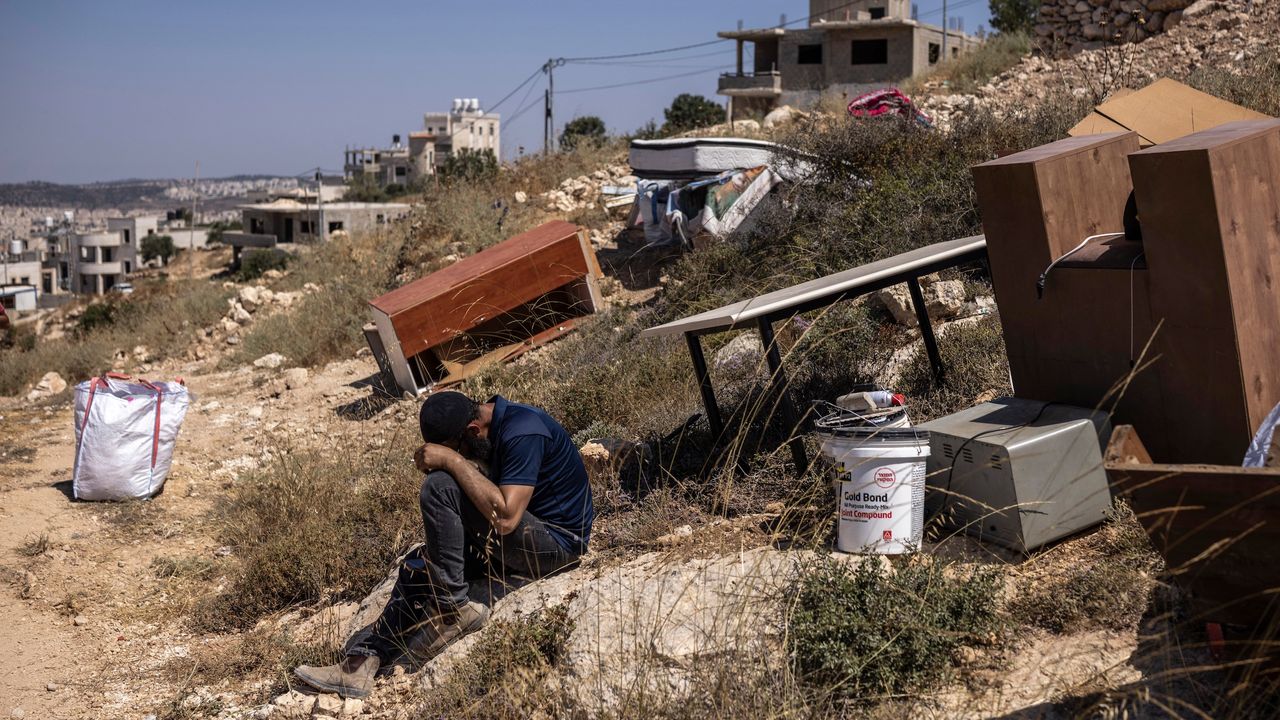
Meiner’s arrest did not happen in a vacuum. It came during a period when Israeli authorities – rather than reining in settler violence against Palestinians – have been documented encouraging it, or at minimum refusing to suppress it. For a retired officer, watching that dynamic unfold from the outside is one thing. Walking into it, physically placing himself between settlers and a Palestinian village, is another.
The timing matters. Israel’s election was approaching in October, and the political calculus around settler activity in the West Bank has always been entangled with domestic electoral pressure. Settlers represent a constituency. Their presence in the West Bank is not incidental to Israeli policy – it is the policy, enforced through a combination of military protection, legal infrastructure, and, increasingly, tolerated extralegal violence.
Meiner’s decision to intervene put him at odds with that structure. He was not a journalist or an activist who stumbled into the conflict. He was a man who had served as a colonel in the same military apparatus now, by his account, standing aside while settlers menaced Palestinians. That gap – between what the IDF is supposed to do and what it was doing in his presence – is what he says drove him to act.
His arrest, then, is not simply a story about one man’s conscience. It exposes the machinery underneath: which communities get protected, which get pressured, and who gets detained for noticing the difference out loud.
The Strategy Behind the Silence
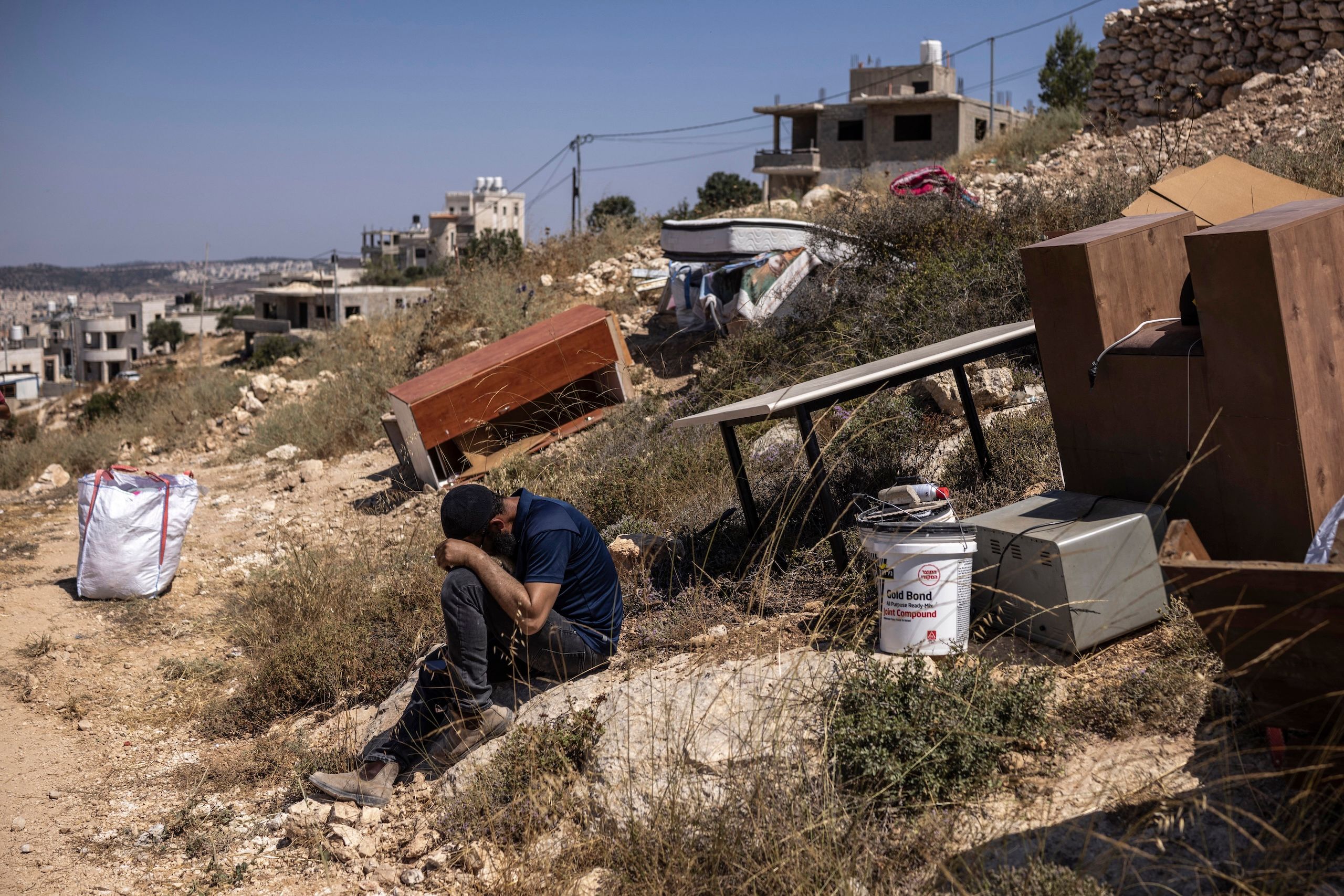
Settler violence in the West Bank is not a spontaneous phenomenon. It follows patterns – targeting Palestinian farmers during harvest seasons, attacking villages near contested land, burning olive groves. What Meiner’s case adds to that picture is the behavior of authorities during these incidents. When a retired IDF colonel shows up to shield Palestinians and ends up in handcuffs instead of the people attacking them, it indicates something about institutional priorities that goes beyond individual bad actors.
The political environment heading into October’s election sharpened those priorities. Israeli governing coalitions in recent years have depended on far-right parties whose base is rooted in the settler movement. Cracking down on settler violence is not just operationally complicated in the West Bank – it carries a direct political cost for parties whose survival depends on settler support. That electoral pressure does not excuse inaction, but it explains the architecture of it.
Meiner’s account points to something more active than mere inaction, though. He describes Israeli authorities as encouraging settler violence – not just failing to stop it. That is a different kind of allegation. It moves the story from negligence to complicity, which is a harder argument to absorb but one with material evidence behind it: settlements expand, Palestinian communities shrink, and the legal system in the West Bank applies different standards depending on which population is involved.
Palestinian communities in the West Bank exist under a dual legal structure. Israeli settlers live under Israeli civil law. Palestinians live under military law. That divide is not incidental – it shapes everything from property rights to what happens when a crime is reported. When settlers attack Palestinian property or people, the cases routinely go unresolved. When Palestinians resist or document what is happening to them, the legal exposure runs the other direction.
For Meiner, the arrest was a lived encounter with that structure. He arrived to provide protection. He left in custody. Whatever his intentions, the outcome illustrated exactly the dynamic he had come to oppose – and it did so with blunt efficiency.
The wider question his case raises is whether what he encountered is a local failure or a feature. The run-up to an election is a convenient explanation, but settler violence predates this political moment and has intensified across multiple governments, across different coalition configurations. The election provides a specific context. It does not fully account for the trajectory.
What Gets Said and What Gets Charged
Meiner’s willingness to speak about his arrest, and to name what he saw, puts him in a complicated position. Israel has robust legal mechanisms for managing public speech around military and security matters, and a retired colonel speaking in public about IDF conduct in the West Bank is not automatically protected by his former rank. If anything, his institutional knowledge makes his statements more consequential – and, potentially, more legally exposed.

His account was published by The New Yorker as part of a Q&A – a format that gives him space to describe specifics in his own words rather than through a reporter’s summary. What he describes is a situation in which the violence directed at Palestinians carries official permission, at least in practice, while the act of opposing that violence triggers the kind of state response ordinarily reserved for people who threaten public order. He tried to protect a community. That is what he was arrested for doing.