




What Arrives at the Fence
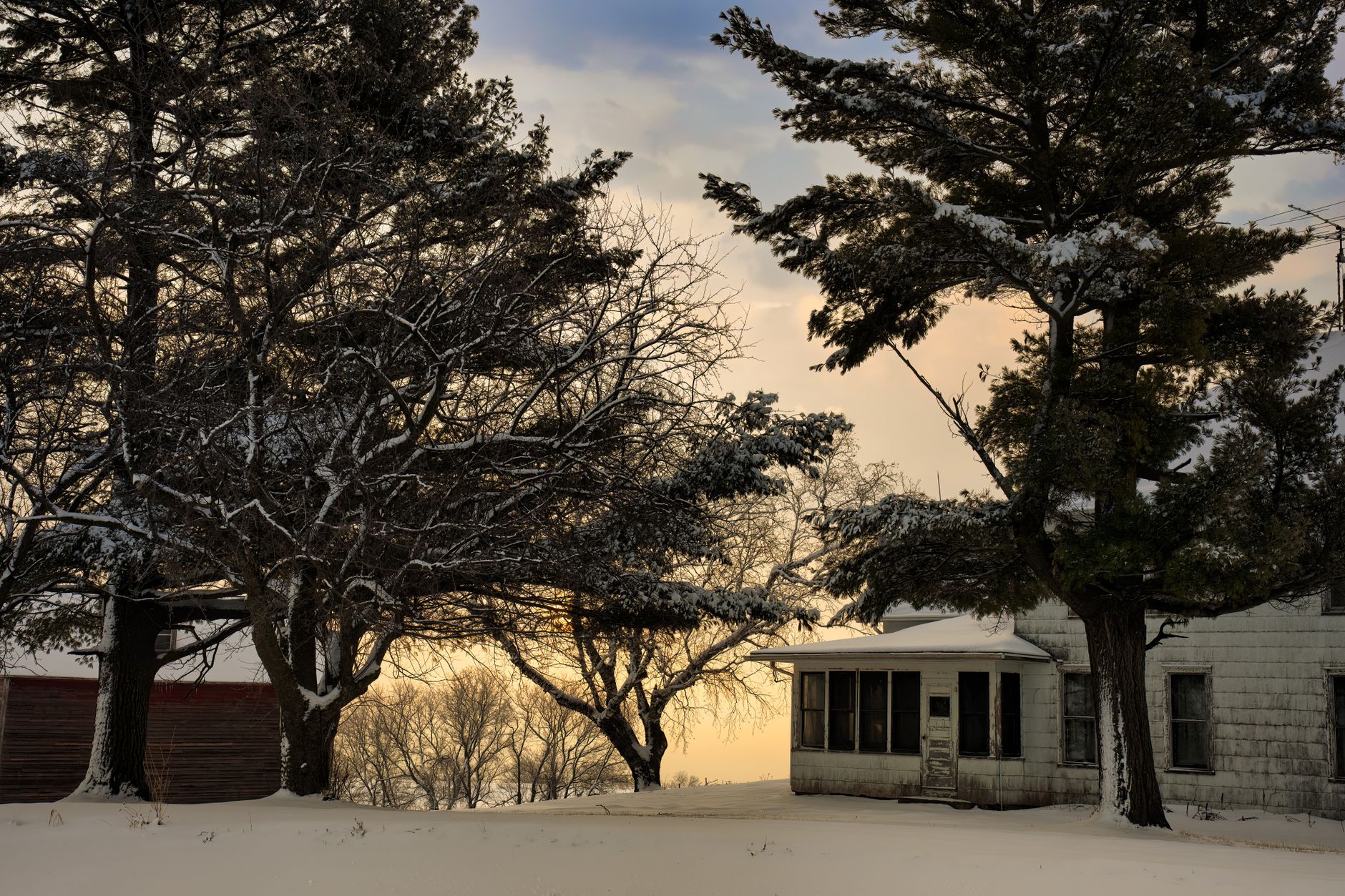
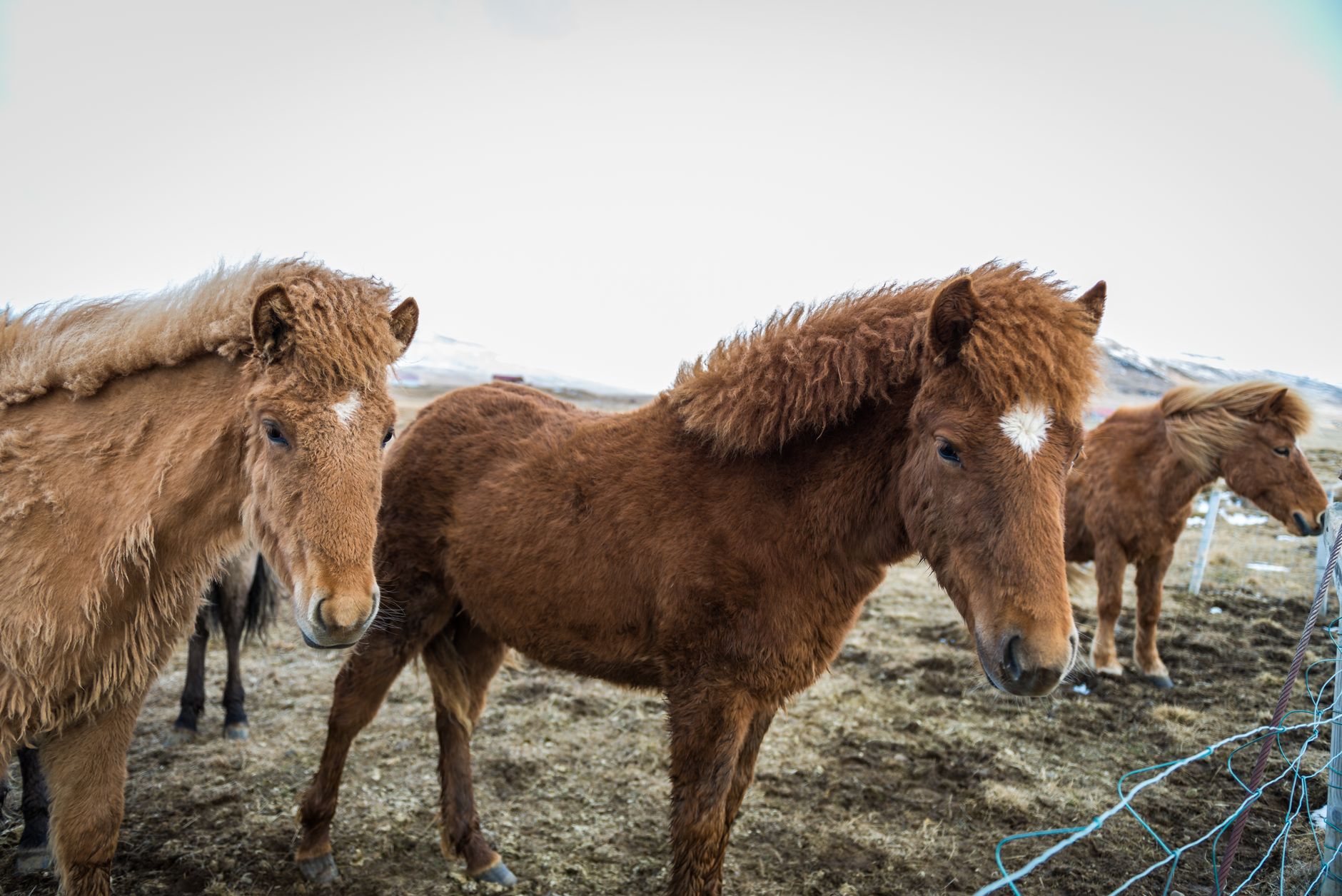
The shed is almost dark when Gunn splits the last of the logs. No wind. The weather clearing. Through a thin gap in the south gable wall she watches two figures descend the hill – woolly shapes lit by headlamps that bob and sway against the fallow field like something between a lantern and a living thing. She recognizes the neighbour, Brit, on the larger Icelandic horse at the back. Her daughter Jenny rides in front.
This is where “Range” begins, or rather where it finds its footing – in the charged ordinariness of two horses turning up an icy track at dusk while a woman stands in her yard holding a basket of firewood. Nothing has happened yet. Everything is about to.
The Weight of a Year’s Observation
Gunn has been watching Jenny for roughly a year, and what she notices first is not the girl’s age or her riding posture but the sense that her body has been seized at both ends and pulled in opposite directions. That image – someone grabbed hold of her at either end and yanked in both directions – is the kind of precise, odd compression good fiction does quietly, without announcing itself. It is not a metaphor for adolescence in general. It is an observation about this specific child on this specific evening.
What Gunn says aloud is softer, more social: “Look at you, sitting like a grown-up, Jenny.” And then immediately registers that it is disingenuous, because the girl is almost hanging there on the horse. The gap between what Gunn observes and what she says is the story’s real subject. Polite conversation runs along its track while something else – attentive, unsentimental, slightly hungry – moves underneath.
Brit laughs about Jenny’s growth, mentions they may soon need to buy her a bigger horse. The girl, slouched on her Icelandic, glances back at her mother. Brit brushes a hand over her own face – a gesture, the narrator notes, she performs often, a blush sweeping across her cheeks each time, always happy, but that hand reaching for the mouth as though to stop what the mouth had already helplessly let slip. A single sentence does the work of a character study. The hand reaching for the mouth. The blush. The word helplessly.
Jenny’s school project is the pretext for the visit. She wants to write about a black object hanging in Gunn’s kitchen – her mother calls it “that black thingummy” and cannot recall its name. Gunn is asked if the girl can come by. Saturday is eventually settled on, Brit doing most of the coordinating while Jenny stays largely silent on her horse.
The Pocket That Keeps Buzzing
Twice during this brief exchange, something vibrates in Gunn’s pocket. She checks it: not from the satellite, but from the boy. A text. Then a second buzz. She does not answer. She turns her attention back to the headlamps, back to Jenny, back to the conversation about Saturday. The detail lands and is not explained.
That is the structural choice the story commits to: the satellite goes unnamed, the boy goes unnamed, his message goes unreported. We know only that Gunn expected something from the satellite and got a text from someone else instead. The pocket’s buzzing becomes a quiet counter-rhythm to the scene in the yard – another line of communication she is holding at arm’s length while managing this one in real time.
What the Horse Reveals
The scene’s sharpest moment belongs to Jenny. Gunn raises her hand toward the horse’s nose, moves too quickly, and the animal makes to rear. Jenny catches it – no hesitation, no performance. A beautiful common-sense reflex, the narrator calls it, and the phrase is exact because it refuses sentimentality. The girl who seemed absent, who rode sullenly and let her mother do the talking, acts before thought gets in the way. Control, instinct, zero affectation.
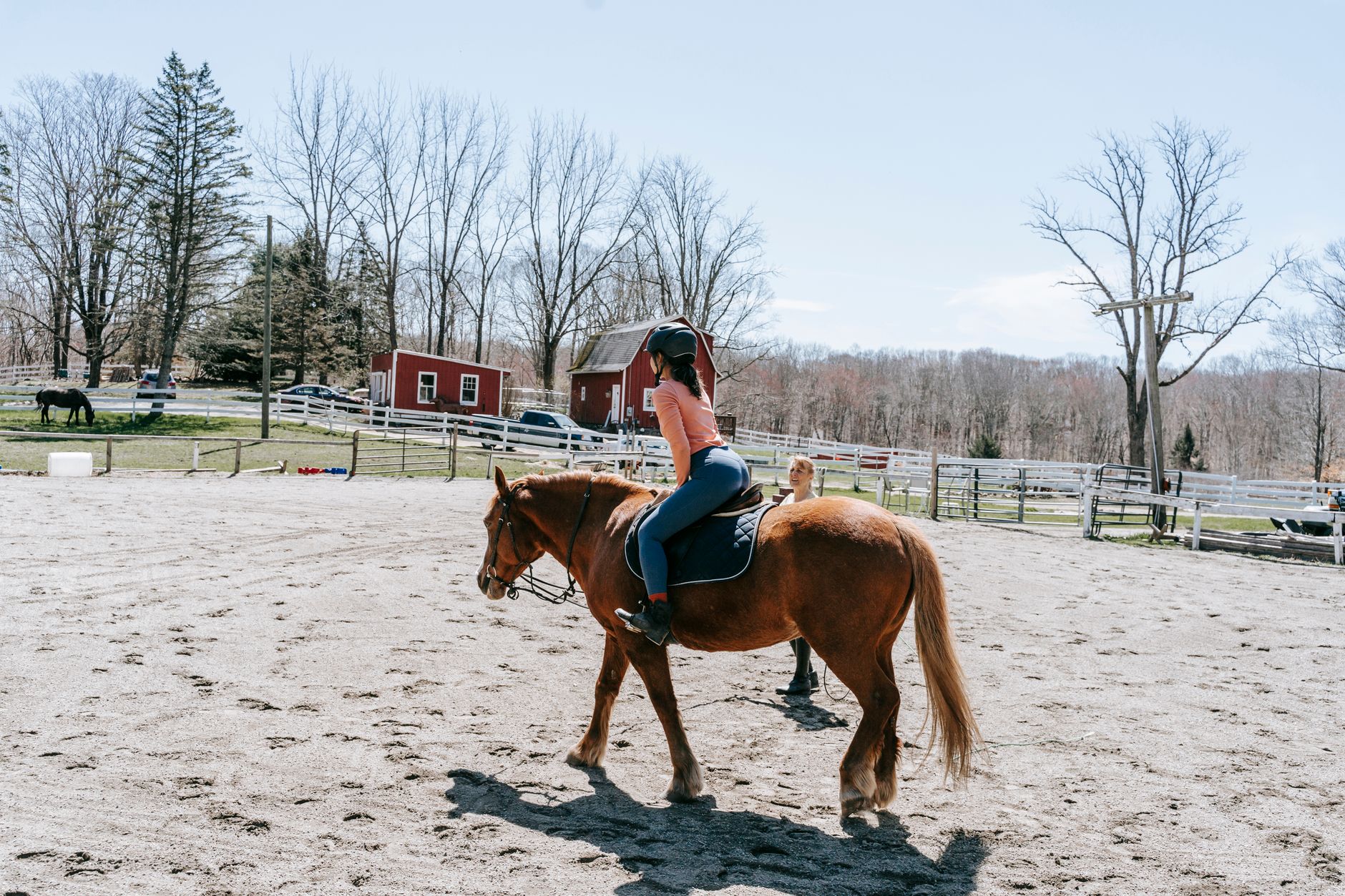
It is, among other things, a correction. Gunn had been reading Jenny as a girl in the throes of disappearing into herself, that “strange absence of identity” visible in her face when the headlamp wasn’t blinding. One quick reflex revises that reading without overturning it. Both things stay true at once: the girl is in some intermediate, unresolved state, and she is also entirely capable.
Saturday is agreed. The horses’ winter coats steam in the cold. Brit coordinates the details. Gunn has already glanced at her pocket twice, already knows the boy’s message is waiting. The story ends at the threshold of the arranged visit, with the horses turning back down the hill and the question of that black kitchen object – whatever it is – still unanswered, still the reason any of this happened at all.