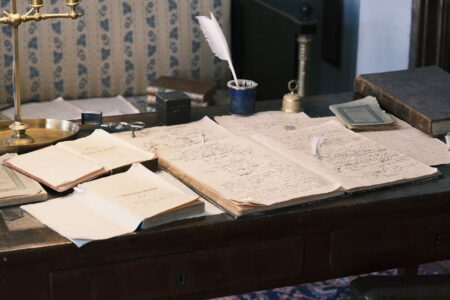




One formula, copied and adjusted across the centuries, put ink on Magna Carta, on Hamlet, and on the Declaration of Independence.
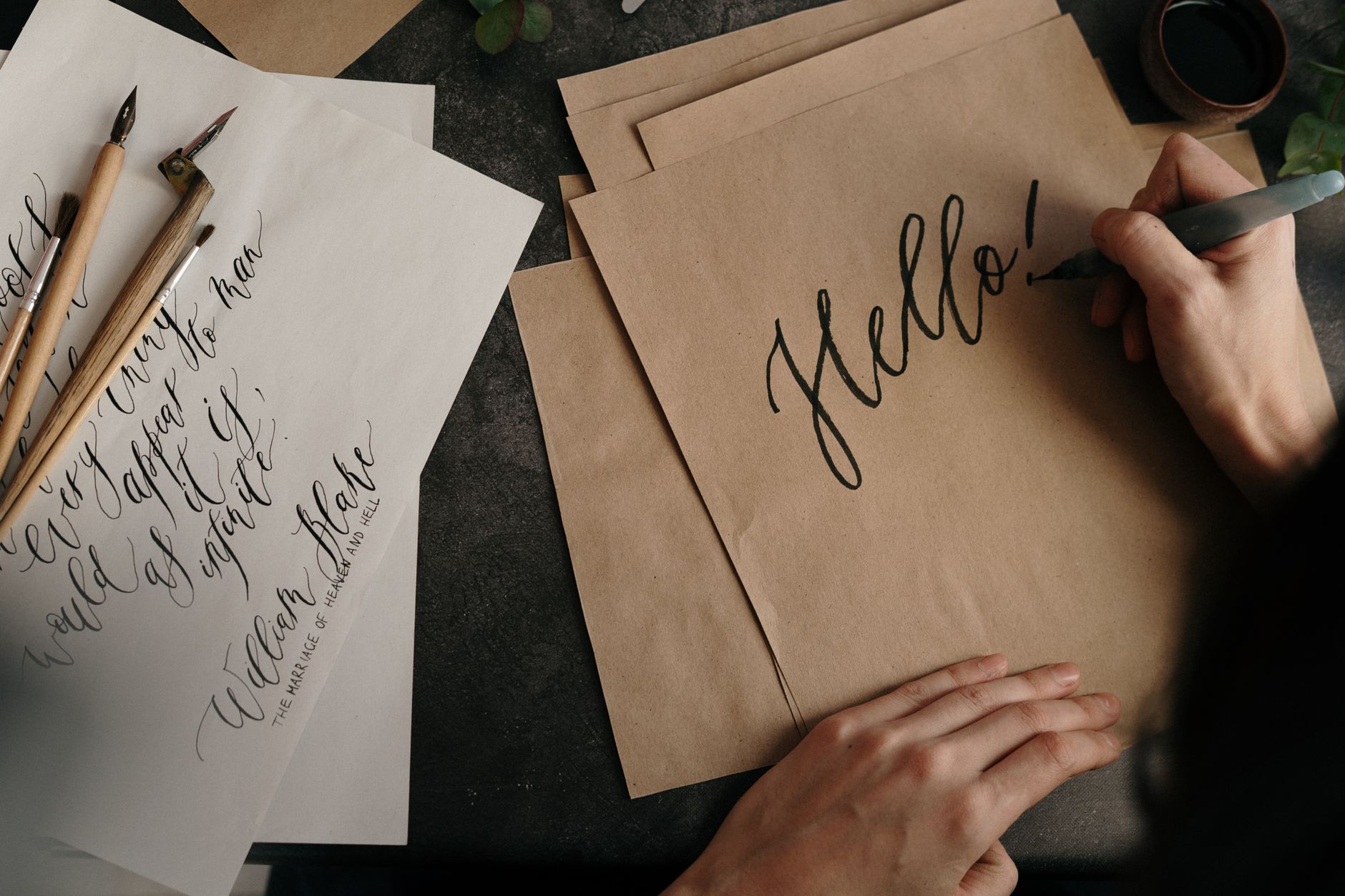
Start With an Oak Tree
The same recipe lies behind Samuel Pepys’s Diary, Robinson Crusoe, Gulliver’s Travels, Candide, A Vindication of the Rights of Woman, Beethoven’s Fifth, Les Misérables, and a great deal written in between. The earliest version here comes from the UK National Archives, dated to about 1483, and it opens with the plain instruction “To make hynke.” It calls for oak gall, “coporos” and gum in matched measures called quarterns, with a little extra gall on top. The galls are to be broken into two or three pieces and put together in a pot, and the mixture stirred often. Within two weeks, the scribe promises, you may write with it. Scale the water to the batch: a quart if you have a quartern of each ingredient, half a quart if you have half.
If the medieval spelling defeats you, the modern route begins outdoors. Sit under an oak tree and look for oak galls, also called oak apples, the hazelnut-size balls that appear when a gall wasp lays an egg within the underside of a leaf. The tree responds by secreting tannic and gallic acids, and those acids are the working chemistry of the whole operation. Remove two ounces of galls and let them dry, then grind them with a mortar and pestle. Add a pint of water and leave the mix for a day or two. Medieval manuals often swapped the water for wine or vinegar, which were less likely to make you sick.
Next, strain the liquid through fine linen or gauze and stir in an ounce of ferrous sulphate, the “coporos” of 1483. Add three flakes of gum arabic, the golden-colored sap collected from acacia trees, which fixes the ink and also increases its gloss and flow. Set the vessel in a cool place, with a windowsill being ideal, and leave it for a fortnight, stirring daily. What you get is a rich purplish-black ink, ready for the page.
Drying can be hurried along with pounce, a fine powder of pumice stone or salt, or sometimes grated dried cuttlefish bone, dusted over the wet writing. A letter treated this way was regarded as “done and dusted.”
The Flaw in the Formula
This “iron gall” ink won out over the older carbon inks, which were made from soot and animal glue, or from the smoke of pines mixed with oil. The main reason was that it was less fugitive: it stayed put on the page where its rivals tended to lift and fade. For centuries that was enough to make it the default for anyone with something important to record.
Its permanence, however, was overrated, as anyone examining century-old documents has found. The rich dark ink turned to a lighter brown over time. Worse, it could be highly corrosive, particularly on parchment, and especially when a manuscript had been exposed to extreme temperatures. The substance that gave a line its depth was also slowly eating at the surface that held it.
That is why the modern instructions come with warnings. Wear gloves while working with it, and consider a thin mask over your mouth and nose if you are sensitive to volatile substances. Keep it well away from your eyes.
The ink also has an enemy in the modern desk drawer. Use it only with a quill or a dip pen, never a fountain pen, unless you want the metal or resin barrel to corrode and the feeder to clog. Apart from that, as the instructions put it, enjoy your writing.
Permanence stayed the selling point as the trade turned commercial: an ink that began as a clear blue and deepened to an intense black as it dried. The sudden success of the Birmingham steel-nib trade coincided with the birth of England’s leading ink company, and the timing was no accident. Bottles on display at the Pen Museum carry familiar names such as Pelikan, Sheaffer and Parker. The most prominent name in the nineteenth and early twentieth centuries, though, is now largely forgotten. It belonged to a London family firm, Stephens.
The Medical Student Who Roomed With Keats
The Stephens story starts in late 1815 with a trainee doctor sharing digs with John Keats. Henry Stephens was born in Holborn in 1796 and grew up near St. Albans, where his parents ran a busy coaching inn. His medical training at Guy’s and St. Thomas’s hospitals in Southwark meant he needed cheap lodgings nearby. For about a year he shared his rooms with a twenty-year-old fellow student, and a poet who had not yet published a word.
The friendship outlasted their training. Readers who want more on the poet can find it in Keats at 230. According to Stephens’s daughter, Martha Walsh, her father wrote verse himself and was instrumental in one of Keats’s most famous works.

“My mother told me [that] during their evening walks [they] quoted verses to each other.”