





Science produces far more interesting results each month than any publication can track. These six stories from June – covering soccer biomechanics, ancient Roman scrolls, molecular geometry, and the physics of animal waste – got buried under the news cycle and deserve a second look.

When Physics Meets the Soccer Field
The FIFA World Cup has a way of pulling attention toward soccer from unexpected directions, including academic research labs. Japanese scientists used high-speed cameras to study university and junior high school soccer players of varying skill levels, focusing specifically on a dribbling move called the scissors feint – a maneuver where a player uses the outside of their foot to fake movement in one direction before cutting sharply the other way.
What makes this kind of research genuinely useful is the spread of subjects. By testing players across different skill levels, the scientists could isolate what separates effective execution of the move from unsuccessful attempts. High-speed cameras capture motion that happens faster than the human eye can register in real time – the kind of data that shows up clearly only when slowed down frame by frame.
The scissors feint is widely considered one of the more effective tools in a dribbler’s repertoire. Defenders struggle to respond to it because the initial motion is designed specifically to trigger a lateral weight shift, and by the time the body starts correcting, the attacker has already gone the other direction. Understanding the exact mechanics of that deception – the timing, the angle of the foot, the body’s center of mass during the cut – gives coaches and players something concrete to train against.
It also says something interesting about where sports science is heading. High-speed camera rigs and motion capture systems are no longer exclusively in elite professional training facilities. The fact that Japanese researchers could run this study with university and junior high school players suggests the hardware has become accessible enough to study recreational and developing athletes, not just professionals earning millions.
Five Other Things Science Figured Out in June
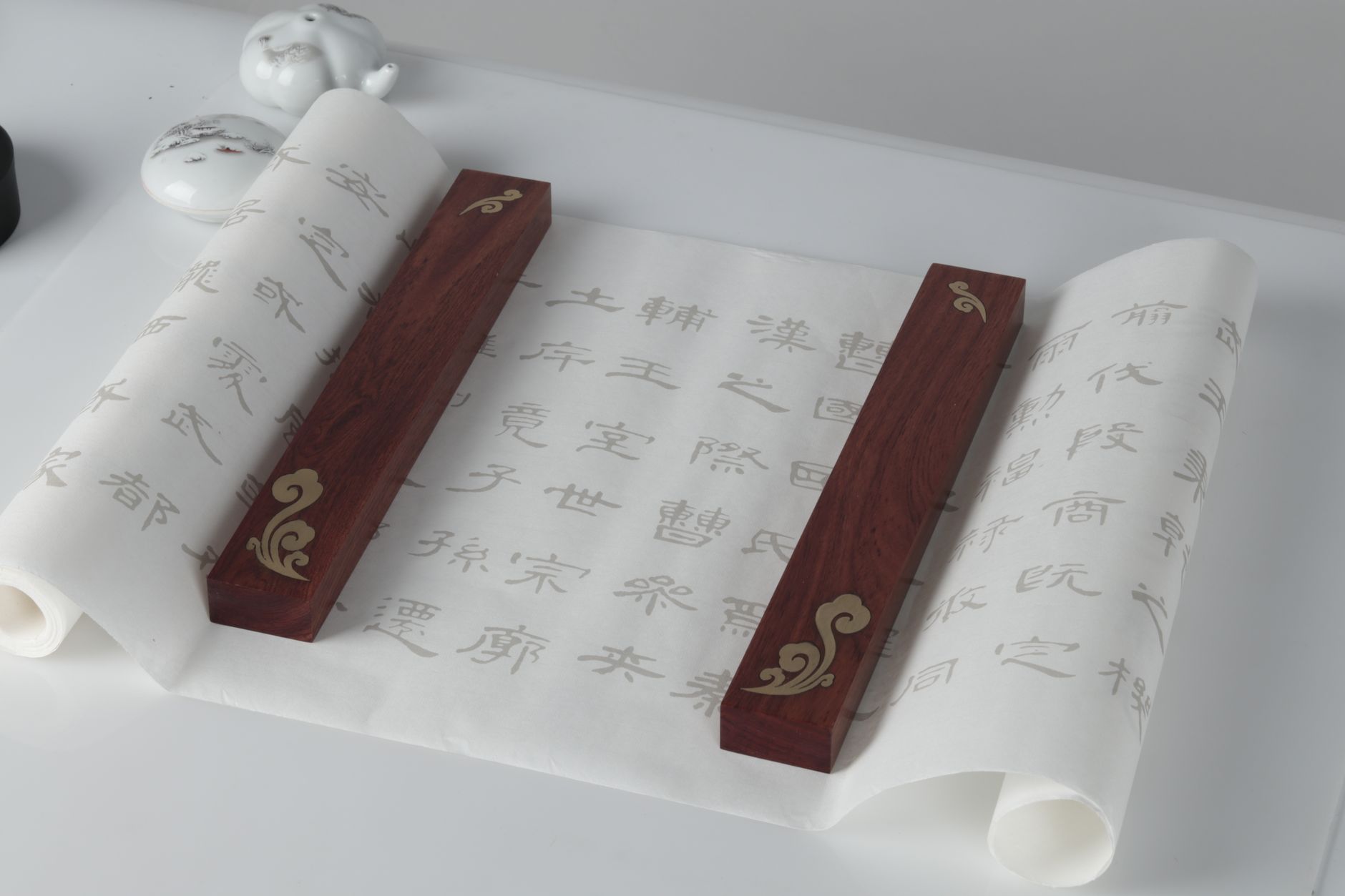
The Vesuvius challenge has been one of the more unusual ongoing stories in digital archaeology – an open competition to decode the Herculaneum scrolls, a collection of ancient Roman texts that were carbonized by the eruption of Mount Vesuvius and remained unreadable for centuries. June brought another breakthrough in that effort. The scrolls cannot be physically unrolled without destroying them, so researchers have been using machine learning models trained on X-ray scan data to detect ink traces inside the collapsed, fused layers of papyrus. Each incremental decipherment is a reminder that some of the most significant historical finds are not new discoveries but objects already sitting in museum collections that technology has only recently made legible.
Then there is the boron buckyball. Carbon buckyballs – spherical molecular cages made of 60 carbon atoms arranged in a pattern resembling a soccer ball – were first discovered in the 1980s and earned a Nobel Prize in Chemistry. Boron, which sits next to carbon on the periodic table, has long been suspected to form similar structures, and June’s research confirmed a boron buckyball does exist. The geometry of it follows related but distinct rules from the carbon version, and understanding how boron clusters itself at that scale opens up potential directions in materials science.
The physics of how animal feces achieves its characteristic coiled shape also got serious scientific treatment this month. That is not a joke entry – the mechanics of soft matter extrusion, muscle control during the process, and the structural behavior of the material as it exits are all legitimate areas of biological physics. Coiled shapes appear in a surprising range of natural structures, and the same mathematical frameworks used to describe them apply across wildly different contexts, from polymer chains to geological formations.
Each of these stories comes out of a tradition of researchers applying rigorous physical and computational methods to problems that seem, on the surface, low-stakes or even absurd. That tradition is real and documented – the Ig Nobel Prizes have been handing out awards for improbable-then-insightful research since 1991. The Vesuvius challenge sits at the other end of that spectrum in terms of cultural stakes, yet shares the same basic DNA: a technical problem that requires creative application of existing tools.
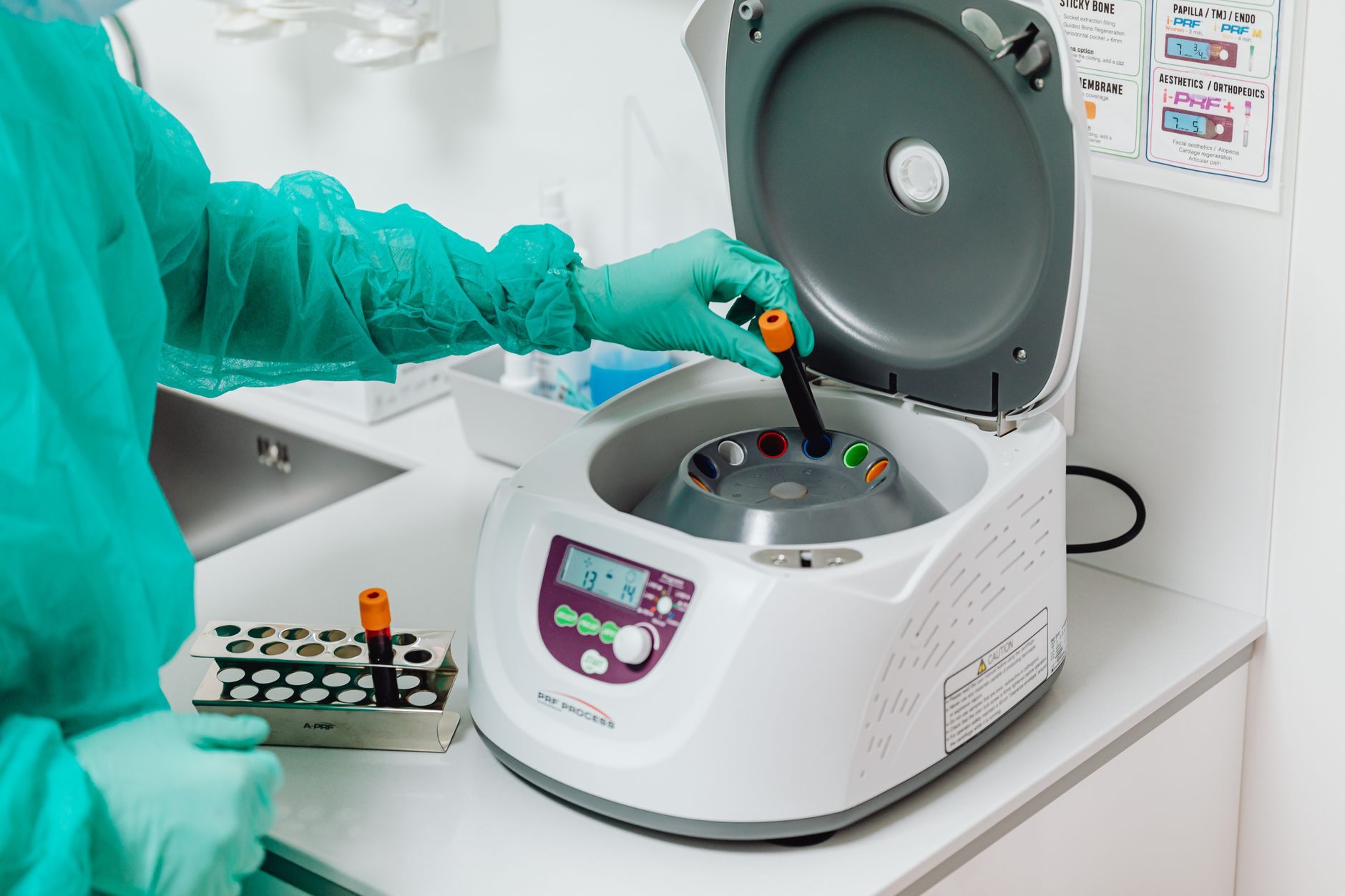
What connects all six stories is the instrumentation. High-speed cameras, X-ray scanners running CT-style scans on rolled papyrus, spectroscopic equipment identifying molecular structures in boron clusters – the research itself would not have been possible a decade or two ago without the specific hardware that made the observations possible. The science here is downstream of the engineering.
Why These Stories Keep Slipping Through
Monthly research roundups exist because scientific publishing moves at a pace that is completely out of sync with the news cycle. A paper published on a Tuesday afternoon in a journal covering soft matter physics is competing for attention against breaking news, product launches, and every other story a publication needs to cover that week. The scissors feint paper, the boron buckyball, the Herculaneum scroll progress – none of these have a publicist or a press event attached to them.
The Vesuvius challenge is perhaps the one exception, given how much press attention it has generated since its launch. But even there, individual breakthroughs get announced and then quickly buried by the next news cycle. The scroll that started the modern decipherment push was found in Herculaneum in 1752. Whatever it says – and researchers have now decoded portions of it – it has been waiting more than 270 years for someone with the right scanner and the right model to read it. Is that a story about patience, or about how long it takes technology to catch up to the problems already sitting on the shelf?