




The Cost of Making Midtown Strange
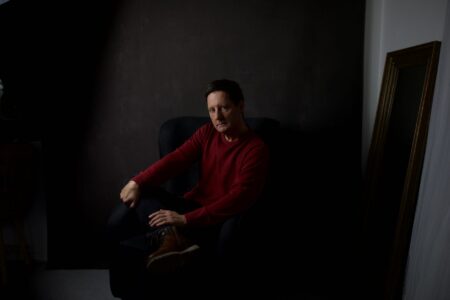
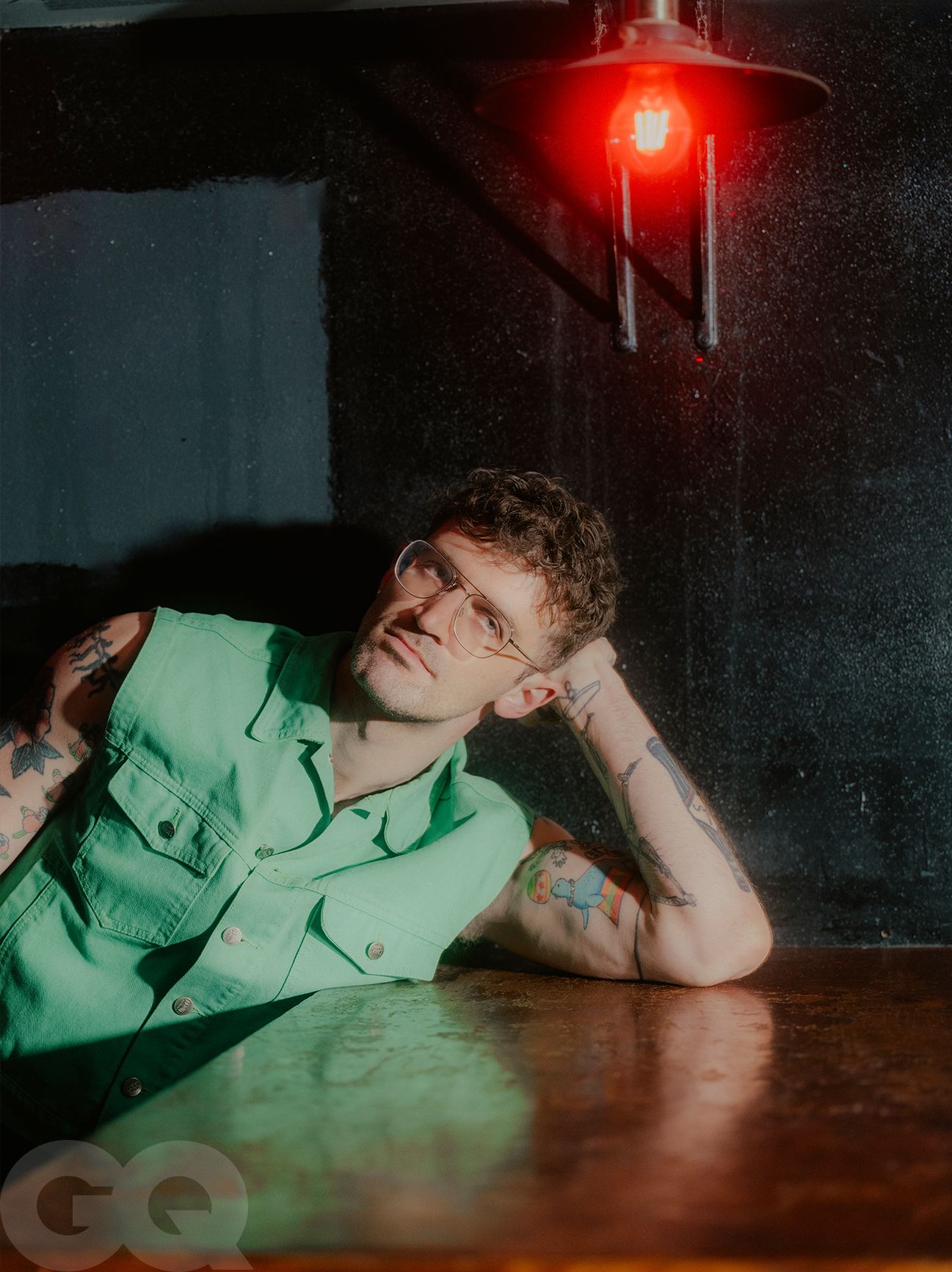
Sam Pinkleton won a Tony Award and nearly broke himself doing it. The choreographer and director behind Oh, Mary! and The Rocky Horror Show has spent years hauling downtown New York’s rawer, weirder theatrical instincts up to Broadway’s biggest stages – and the effort, by his own account, came close to destroying him.

What Downtown Energy Actually Means on a Broadway Stage
Broadway has always had an uncomfortable relationship with the avant-garde. The economics push toward the familiar – revivals with name recognition, jukebox catalogues, IP adaptations with built-in audiences. Pinkleton arrived from a different world entirely: the sweatier, more physically reckless downtown theater scene where failure is cheap and experimentation is the whole point. Importing that sensibility to midtown meant convincing producers, collaborators, and sometimes entire creative teams that the risk was worth taking.
Oh, Mary! and The Rocky Horror Show sit at opposite ends of the tonal spectrum, but Pinkleton’s fingerprints are legible on both. There’s a physicality that refuses to be polished into abstraction, a refusal to let bodies onstage look like they’re executing choreography rather than surviving something. That quality doesn’t happen by accident, and it doesn’t happen without cost – to schedules, to budgets, and apparently to the person responsible for delivering it every night.
The downtown scene Pinkleton emerged from has always valued that kind of authentic friction. Small houses in lower Manhattan built audiences on the promise that what you were watching hadn’t been committee-approved into smoothness. Taking that energy to Broadway – where the committee is enormous and the stakes are measured in millions – requires either extraordinary institutional trust or an almost irrational willingness to push.
Pinkleton, by GQ’s account, operated with both. The Tony win for his work confirms that at least some of that pushing landed. Broadway has seen plenty of directors claim the downtown-to-uptown pipeline, but few have managed to keep the original charge intact once the budgets and expectations scaled up. The work on both productions suggests Pinkleton found a way to preserve the voltage.
Oh, Mary! and Rocky Horror as a Body of Argument
Oh, Mary! arrived on Broadway carrying the kind of cult momentum that can either sustain a show or crush it under its own reputation. The production had built a following before it ever reached a major stage, and Pinkleton’s choreographic work was central to why. The show operates at a register that’s deliberately excessive – feverish, committed to its own absurdity in a way that requires every performer to be fully inside a shared joke while also playing it completely straight. That’s a specific kind of physical intelligence, and staging it demands someone who understands how bodies communicate irony without letting the irony go slack.
The Rocky Horror Show presents a different challenge – one of inherited iconography. The material has been performed, parodied, and audience-participated into near-total familiarity. Any new production has to decide whether to honor the mythology or argue with it. Pinkleton’s version leaned into the argument: the sweaty downtown energy GQ references isn’t incidental, it’s structural. The production used the source material’s sexuality and transgression as starting points rather than as nostalgia triggers, which is a harder position to sustain in a Broadway house where a portion of the audience showed up specifically for the nostalgia.
What connects both productions is a willingness to let discomfort sit. Broadway choreography, at its most commercial, is designed to resolve tension through spectacle – the big number arrives, the audience releases. Pinkleton’s work tends to hold tension longer, which means audiences have to sit with something unresolved before the release comes, if it comes at all. That’s a choice that reads as either exhilarating or exhausting depending on where you’re sitting, and the fact that both shows generated real critical and commercial attention suggests the gamble paid out.
The Tony win itself is worth pausing on. The awards process on Broadway has its own politics, its own aesthetic biases, its own institutional memory of what counts as significant work. Pinkleton winning represents a specific judgment by that system: that what he did was not just commercially viable but actually the best version of the thing it was. For someone coming from a tradition that has historically been skeptical of exactly that kind of institutional validation, it’s a complicated position to occupy.
There’s also the physical reality of what it takes to build this kind of work. Directors and choreographers often describe the development process for Broadway shows in terms of time pressure and creative compromise – the production calendar is relentless, previews start before anything feels finished, and the machinery of a major commercial production doesn’t pause for anyone’s artistic crisis. Pinkleton has said openly that the process nearly killed him. That language might be rhetorical, but it points to something real about what this kind of work extracts from the person making it. The shows that feel alive in the way his do tend to carry that cost somewhere inside them.
What Broadway Looks Like When It Lets Itself Get Strange
The larger question Pinkleton’s career raises isn’t really about him – it’s about what Broadway is willing to sustain. He’s demonstrated that there’s an audience for work that doesn’t sand down its edges before presenting itself to a paying house. That audience can fill seats, generate awards attention, and create the kind of word-of-mouth that commercial theater needs to survive. The question is whether Broadway treats that as evidence of a workable model or as an exception that got lucky.

Pinkleton is now a Tony winner with two high-profile productions behind him, which means the next thing he directs or choreographs will arrive with institutional weight attached. Whether that weight makes the work easier or harder to keep strange – whether the downtown energy survives its own success – is a tension that doesn’t resolve cleanly.