




When Fast Fashion Reaches for Something Slower
H&M’s upscale sub-label, the Atelier Collection, has landed on racks again – and this time it’s pulling at something more than hemlines. The Swedish retailer, long associated with accessible basics and trend-chasing velocity, has built a quieter, more considered line within its own house. It reads less like a seasonal drop and more like a deliberate argument that price point shouldn’t define the ceiling of a person’s style ambitions.
For anyone who came to fashion early – who memorized masthead names before they could afford the magazines, or who spent lunch breaks in department stores cataloguing silhouettes they had no business buying – this collection lands differently. It doesn’t just show clothes. It surfaces a particular kind of memory: the one where you first understood that what you wore could communicate something you hadn’t yet found words for.
What the Atelier Collection Actually Offers
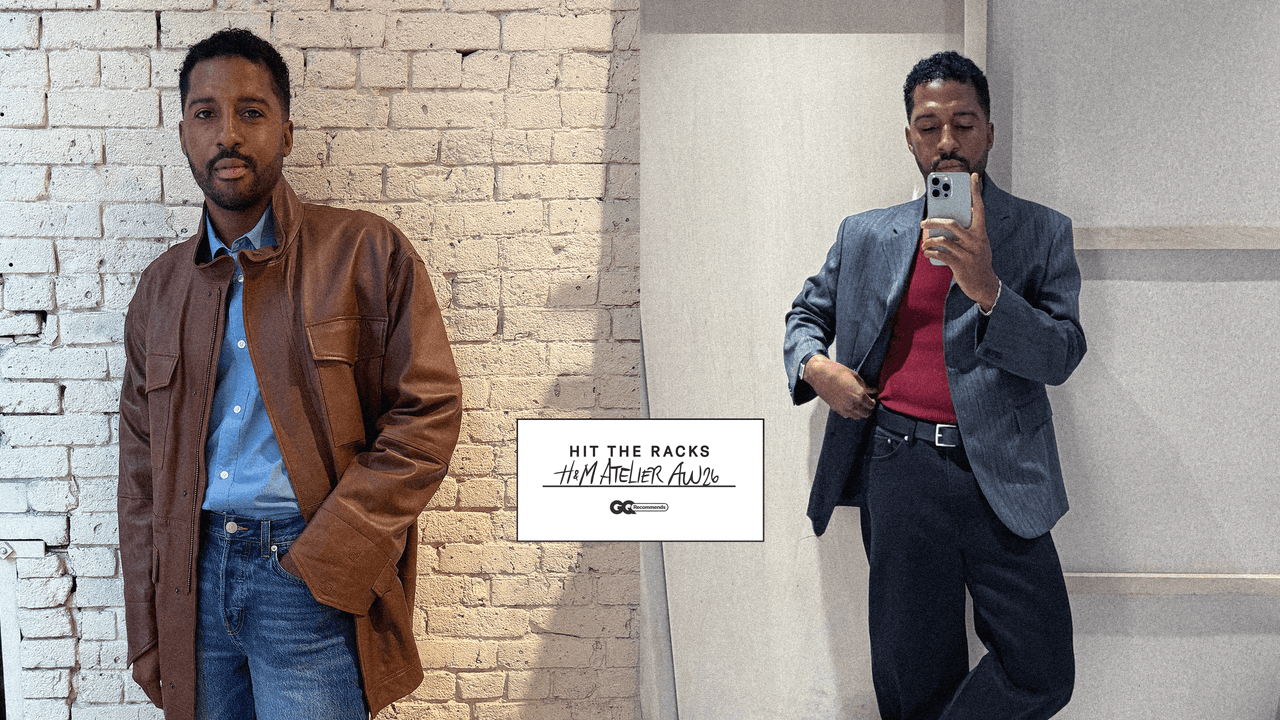
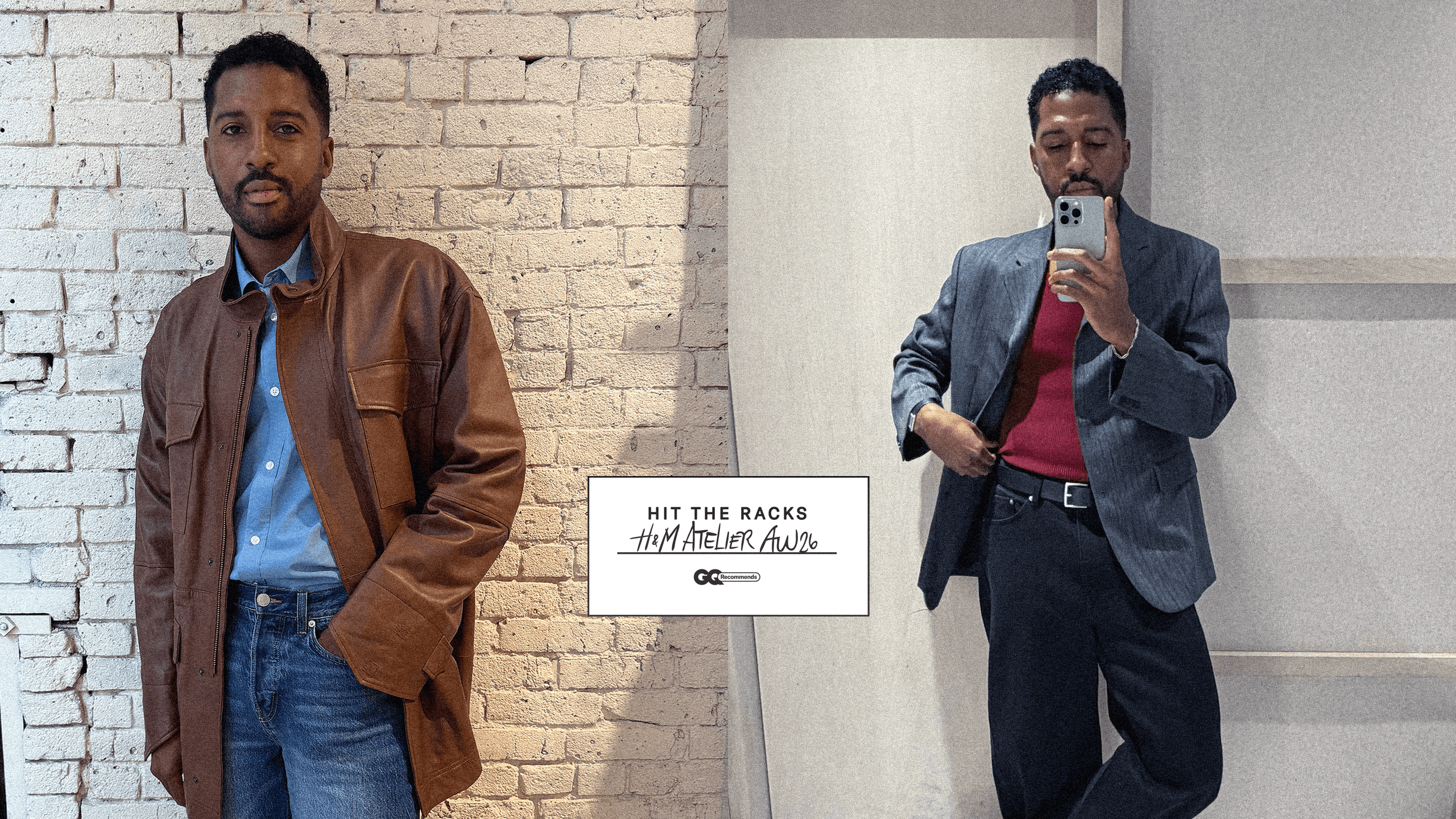
The Atelier line sits above H&M’s standard offerings in construction, fabric weight, and finish – the details that separate something you buy and wear from something you buy and keep. Structured tailoring, cleaner cuts, and materials that behave with some degree of authority on the body. These are not pieces engineered to survive one trend cycle and dissolve. They’re designed to hold their shape long enough to earn a second season in the wardrobe.
That distinction matters more now than it did five years ago. As consumers have grown more deliberate – buying less, expecting more – a collection like this from H&M occupies an interesting middle space. It is not luxury. It does not pretend to be. But it acknowledges that the person shopping at H&M might have an eye trained far beyond what the brand’s core line typically delivers, and it meets that person somewhere closer to where they’re actually looking.
The Intern Years, Reconsidered
There is a specific kind of fashion education that happens outside any institution. It happens in the stockroom of a publication where samples come back from shoots creased and tagged, in the back rows of presentations where you’re standing because there are no seats left, and in the long process of learning to dress for the life you want before you can afford the wardrobe that life technically requires. Fashion interns know this curriculum well.
The Atelier Collection, in its current form, speaks directly to that era of taste-formation – not by referencing it nostalgically, but by solving the problem it presented. The wide-eyed intern with precocious taste but a thin wallet had to make trade-offs constantly: construction or color, fit or fabric, statement or longevity. A line like this compresses some of those trade-offs, offering pieces where the math doesn’t feel quite so punishing.
What makes early fashion obsession so formative isn’t access – it’s attention. Young people who care deeply about clothes before they can afford to act fully on that caring develop a granular eye. They notice the drape of a lapel, the way a trouser breaks at the ankle, whether a seam lies flat or pulls. That eye doesn’t go away when the salary arrives. It just becomes harder to fool. The Atelier Collection, to its credit, doesn’t try to fool it.
There’s also something worth noting about H&M’s decision to sustain and develop this line rather than collapse it back into the main range. It signals an understanding that the brand’s audience has aged, diversified, and in many cases grown more exacting. The person who bought H&M at twenty is now thirty-five, and they still want to shop there – but they want something the main line can’t always deliver. The Atelier Collection is H&M’s answer to that want.
Swedish Design Logic at Work
Sweden has produced fashion houses and designers with a consistent aesthetic signature: restraint, function, a preference for letting construction carry the weight that ornamentation might otherwise bear. H&M, whatever its commercial scale, carries traces of that DNA. The Atelier Collection draws on it more deliberately than most of the brand’s output.
The result is clothing that doesn’t shout. It occupies space in a room through proportion and quality of movement rather than pattern or spectacle. That’s a harder thing to pull off at accessible price points, and when it works – even partially – it’s worth marking.
Why This Particular Moment Hits Differently
Style memory is strange. Certain clothes don’t just remind you of a time – they collapse the distance between who you were then and who you are now, and suddenly you’re standing in a fitting room doing math that has nothing to do with price tags. The Atelier Collection does some of that collapsing. It recalls a version of aspiration that felt urgent and slightly out of reach, and it offers – not cheaply, but honestly – a version of that aspiration that fits differently now.
For readers navigating their own wardrobe questions, the practical advice coming out of this collection is straightforward: if you’ve dismissed H&M as outside your consideration set because of what the main line represents, the Atelier pieces deserve a separate look. Construction and intent read differently in person than they do on a product page. GQ has been covering collections like this through its interview and cultural coverage – including through the weekly interview format Zach Baron now helms – and the through-line is always the same: clothes mean more when someone bothered to make them well.
The question the Atelier Collection doesn’t fully answer is whether H&M can hold this standard across future drops, or whether the economic pressure of operating at its scale eventually flattens the ambition back into the familiar. A single strong collection proves intent. The second and third ones prove commitment. The racks are full right now, the tailoring is holding its shape, and the intern in the back row is taking notes.