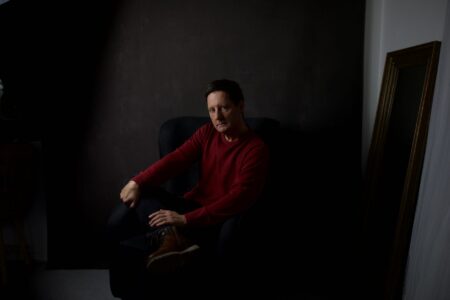





From Chat Rooms to Scream Scenes
Before Inde Navarrette was dodging whatever Curry Barker’s horror machinery could throw at her, she was a Twitch streamer – building an audience one broadcast at a time, talking to a camera, performing for an internet that rewards persistence over pedigree. That path, unglamorous and self-directed, is exactly the kind of origin story Hollywood tends to overlook until it can’t anymore.
Now it can’t anymore.
Navarrette stars in Obsession, Barker’s horror film that has generated enough heat to position her as a genuine new face in the genre. But what makes her arrival interesting isn’t just that she landed the role – it’s what she did with it once she got there, and the specific thinking she brought to a character type that usually gets flattened into a single note.
Letting Go of the Template
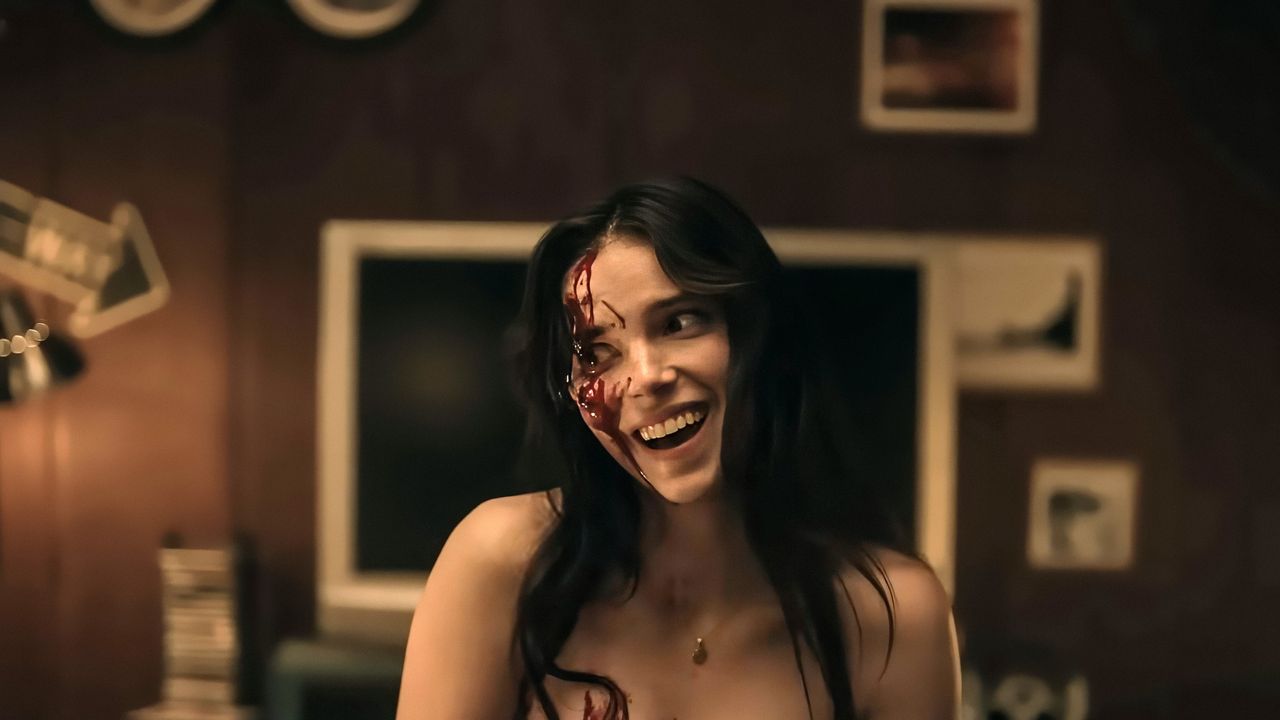
The phrase “horror girl” carries a lot of weight in genre filmmaking. It implies a certain posture, a certain scream, a certain way of moving through dread. The term arrives pre-loaded with decades of convention – the slasher victim, the final girl, the woman who exists to react rather than to act. Navarrette knew all of this going in, and she made a deliberate choice to set it aside.
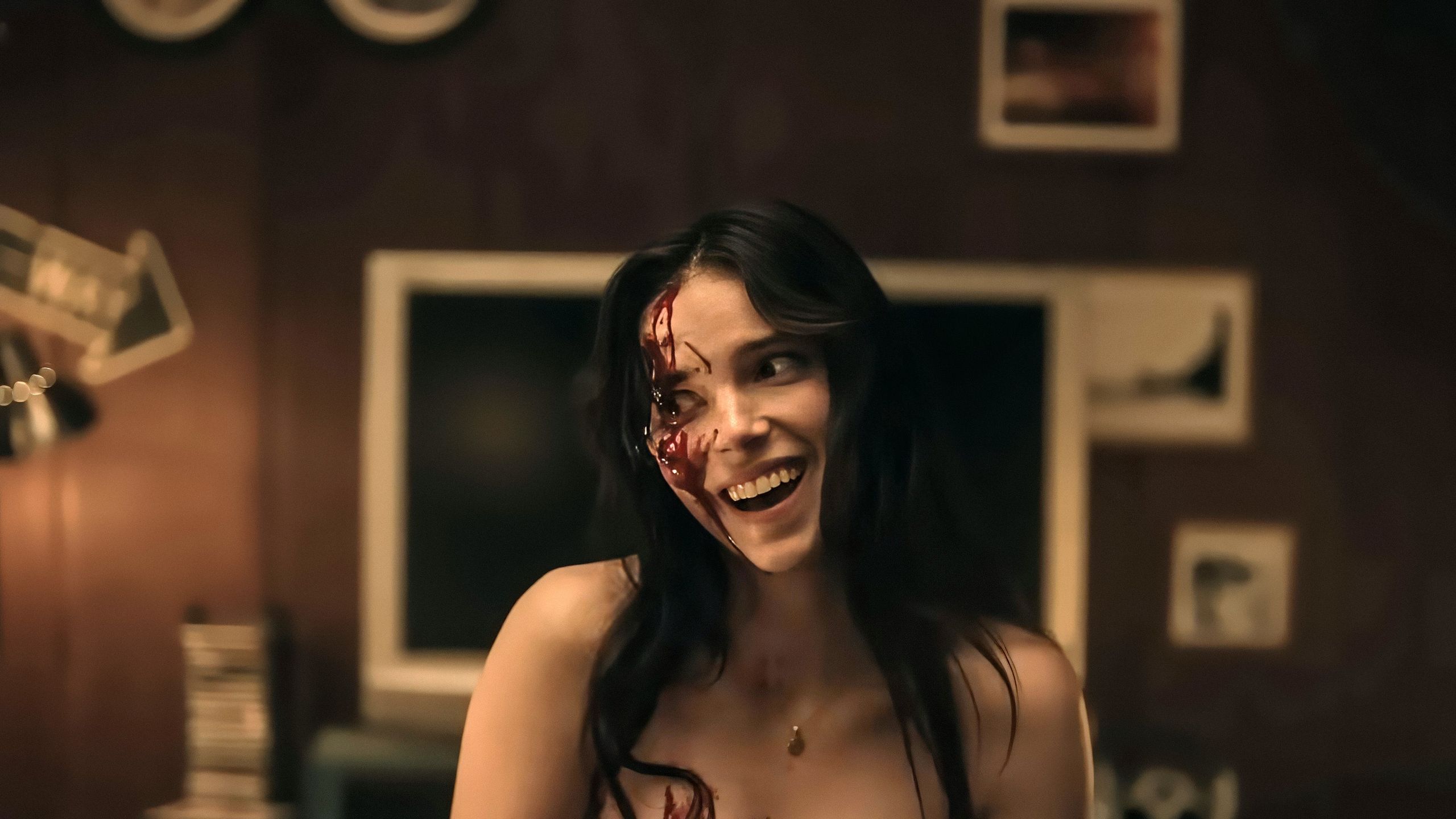
“I kind of let go of what a horror girl is,” she said of her performance. “It really allowed me to bring Nikki together.” Nikki is her character in Obsession, and the framing of that quote matters: she didn’t describe finding Nikki or discovering her, but bringing her together, the way you would assemble something from parts that already existed. That’s a craft-conscious way to talk about performance, and it suggests Navarrette approached the role more like a builder than an interpreter.
That instinct – to work from construction rather than instinct alone – may be what the Twitch years actually trained her for. Streaming demands a particular kind of sustained presence. You are always slightly performing, always managing tone, always reading an audience and adjusting in real time. It’s exhausting and mechanical and, apparently, useful. The skills that keep a live broadcast from falling apart on a Tuesday afternoon at 11 p.m. translate, in unexpected ways, to holding a scene together under pressure.
Why the Genre Is Paying Attention
Horror is having a specific cultural moment right now – not as a genre climbing toward respectability, but as one that has quietly accumulated the most interesting new talent in mainstream film. Directors like Barker are working within genre constraints that force creative compression: every dollar has to function, every casting choice has to carry weight, there’s no budget for passengers. That pressure tends to surface performers who can actually do something, and Navarrette, arriving from a background with no traditional pipeline, apparently qualified.
What’s also worth noting is the particular position Navarrette occupies within Obsession‘s marketing and reception. She’s being talked about not as a supporting element but as a central reason the film works. For a performer whose professional biography includes a Twitch channel, that’s a meaningful signal about where genre film is finding its next generation of leads – and it’s not exclusively in drama schools or studio development programs.
Horror also tends to be honest about what a performer can actually do. There’s nowhere to hide in a genre built around reaction, tension, and physical presence. If the performance isn’t there, the scene doesn’t hold. If the scene doesn’t hold, the film unravels. Navarrette’s role in Obsession holding together the way it apparently has is, in practical terms, a professional audition result in front of a large audience.
The Style of an Unconventional Arrival
There’s a particular kind of cultural style to careers that don’t follow the established track – and Navarrette’s trajectory has that quality. The Twitch-to-film pipeline isn’t codified the way theater-to-film or television-to-film pipelines are. It doesn’t come with agents who specialize in it, or managers who have done it before, or industry infrastructure built around managing the transition. It’s improvised, which means everyone who does it successfully is building the map as they walk.
That improvised quality shapes how Navarrette is being received as much as what she actually did on screen. She carries the specific credibility of someone who built an audience without institutional backing, then translated that into something the industry couldn’t ignore. It’s a different kind of leverage than a conservatory degree or a legacy agency relationship, but it’s leverage nonetheless – and in a genre that has always been more interested in results than resumes, it appears to have been enough.
Curry Barker’s film gave Navarrette the space to work without the template. Whether the industry that’s now paying attention to her will offer the same kind of space – or whether it will immediately try to re-impose the “horror girl” category she just spent an entire film dismantling – is the question her career is now, practically speaking, in the process of answering.