



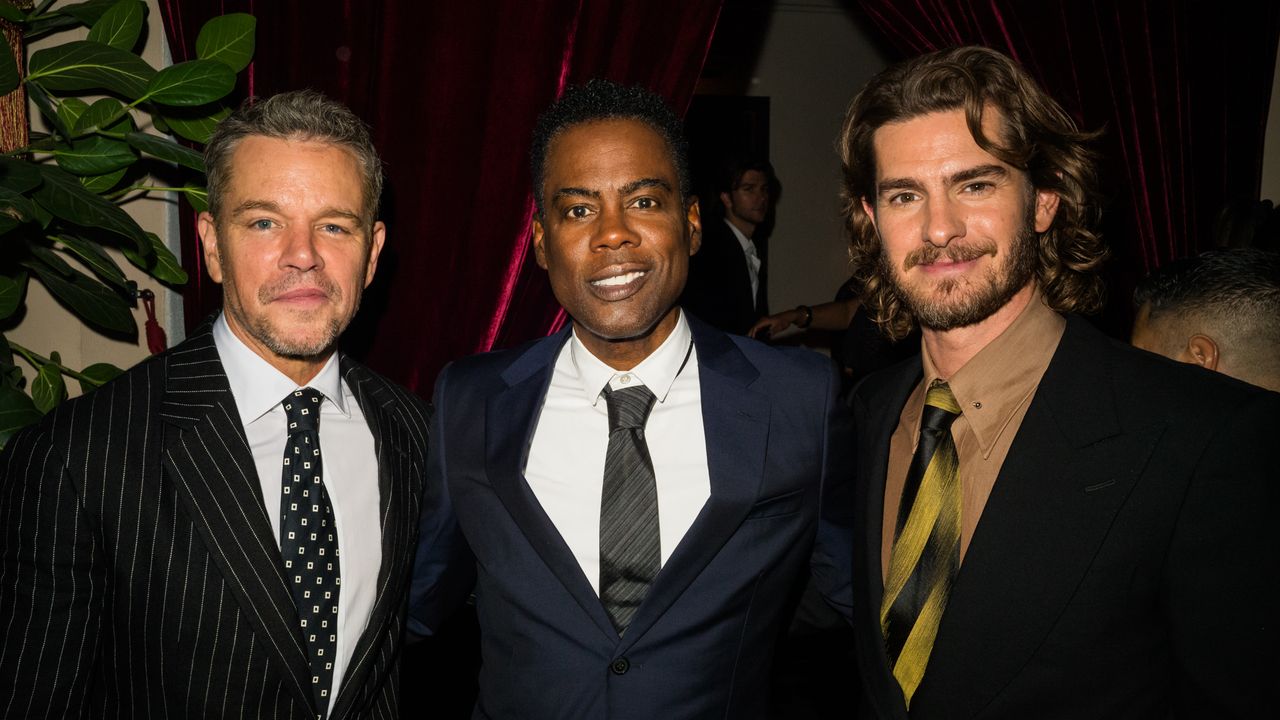
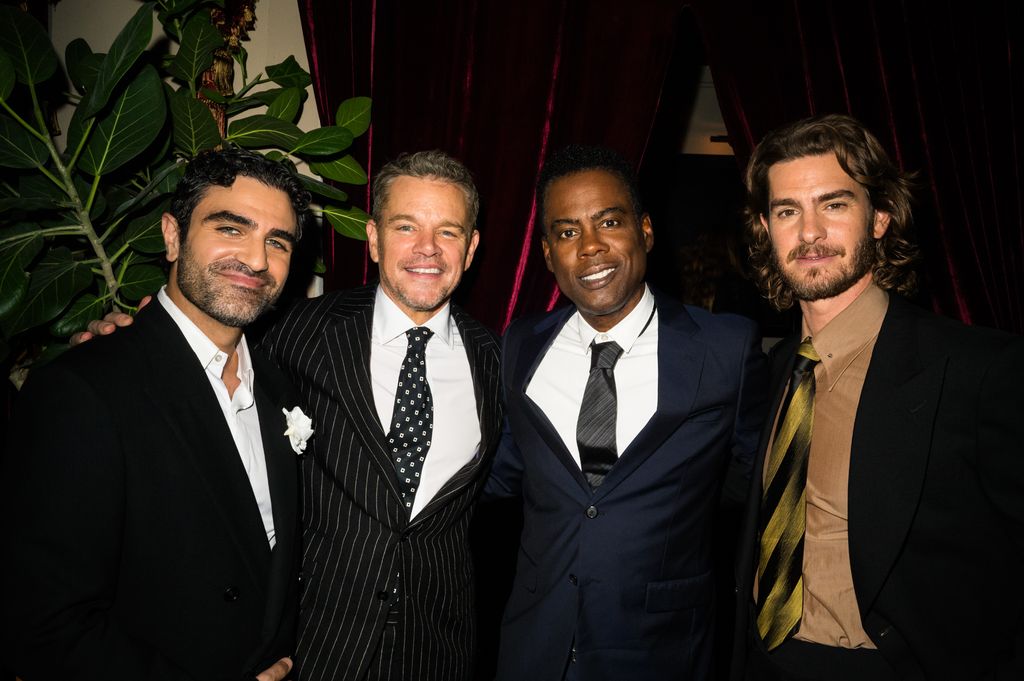
Every year, before the Men of the Year party fills up with cameras and publicists, GQ gathers a smaller group for a dinner behind closed doors. This year’s version had the usual rhythm of toasts, and at least one roast. Somewhere between the glasses being raised and the glasses being refilled, the conversation turned to a question that never goes out of fashion: who should play James Bond next?
The suggestions were friendly and off the cuff, the kind of thing that happens when people who care about clothes and culture share a table and nobody has to be careful. That is the part worth sitting with. A dinner for honoring men of the year ended up auditioning a fictional man of every year, and the room had opinions.
A Table Primed for Opinions
The format does a lot of the work. A toast is a short, performed piece of flattery, and a roast is flattery turned inside out. Both reward people who can size up a person in one sentence. Casting a spy asks for the same skill: look at a face, a posture, a way of holding a drink, and decide in a few seconds whether it works under a dinner jacket.
Private dinners also lower the stakes in a useful way. Nobody at a closed-door pre-game is filing a take or defending a brand, so the casting talk stays loose. Suggestions get floated, laughed at, and replaced by better ones. It is closer to a pub argument over a football lineup than to an entertainment-news scoop, and that is why it feels honest.
Why Bond Is Always a Style Question
For a style publication, Bond has never been only a casting matter. The character is a wardrobe with a pulse. Sean Connery’s early suits came from the tailor Anthony Sinclair, and they shaped how a generation understood a sharp, slightly severe cut. Pierce Brosnan’s run is tied to Brioni. Daniel Craig’s later films put him in Tom Ford. Each era changed the silhouette, and each actor had to wear the clothes convincingly.
That is the real test behind a dinner-table pick. Plenty of actors can carry a gun on screen. Fewer look like they were born in a dinner jacket, and fewer still can wear one without the jacket becoming the story. A man in a tuxedo is easy to photograph and hard to make believable, because the fabric exposes anyone who is performing comfort instead of feeling it.
There is also the matter of shoulders, posture, and walk, which tailors talk about constantly and casting directors rarely admit to weighing. A well-cut suit forgives a lot, but it cannot invent a stride. When a group of people who spend their working lives thinking about how clothes hang on bodies start naming candidates, they are checking against that mental image of how a person moves in a room.
It also explains why the debate never settles. Everyone carries a different Bond in their head, and usually it is the one they saw first. Someone who grew up on Connery’s reruns judges a newcomer by different standards than someone raised on Craig’s weathered, bruised take. A dinner full of people from different generations will never agree, and the disagreement is half the entertainment.
An Open Job Makes for a Livelier Dinner
The timing helps. Craig’s final outing as 007 was No Time to Die in 2021, which closed his run and left the role empty. Since then, Amazon MGM Studios has taken control of the franchise’s creative direction, and Denis Villeneuve has been named to direct the next film. A vacancy that large invites speculation, and speculation invites a table full of people with wine and a point of view.
Casting rumors usually arrive through trade reports and fan forums, with all the grimness that implies. A dinner version is a different animal. It treats the question as a parlor game, with no stake beyond being clever or funny. The picks do not matter, and nobody at the table has any say in the outcome. That freedom is what makes the suggestions fun, and it is also why they are worth listening to: people say what they actually want to see.

What the Game Reveals About Menswear Now
The picks themselves are not on the record in the account GQ published, so it would be dishonest to pretend otherwise. What the dinner does show is how much cultural weight sits on a single role. Bond is one of the few characters who sets the terms for what a well-dressed man is supposed to look like, and each new actor resets those terms for a few years.
That matters for readers who never intend to wear a tuxedo to a casino. When a new Bond wears a particular lapel width, a particular shade of navy, a particular watch, the effect shows up in shop windows and in what tailors get asked for. The casting debate is partly a debate about which version of masculinity gets to lead the next decade of style, whether that means a harder edge, a lighter touch, or something warmer than the franchise has tried before.
So the toasts and the roast were the warm-up, and the casting game was the real conversation. A room of people who spend their days on how men look and dress ended up arguing about who should wear the most famous suit in cinema. Somebody at that table already has a name in mind, and the only open question is who will say it loudly enough to be heard when the studio finally does.