




Confirmed, Not Rumored
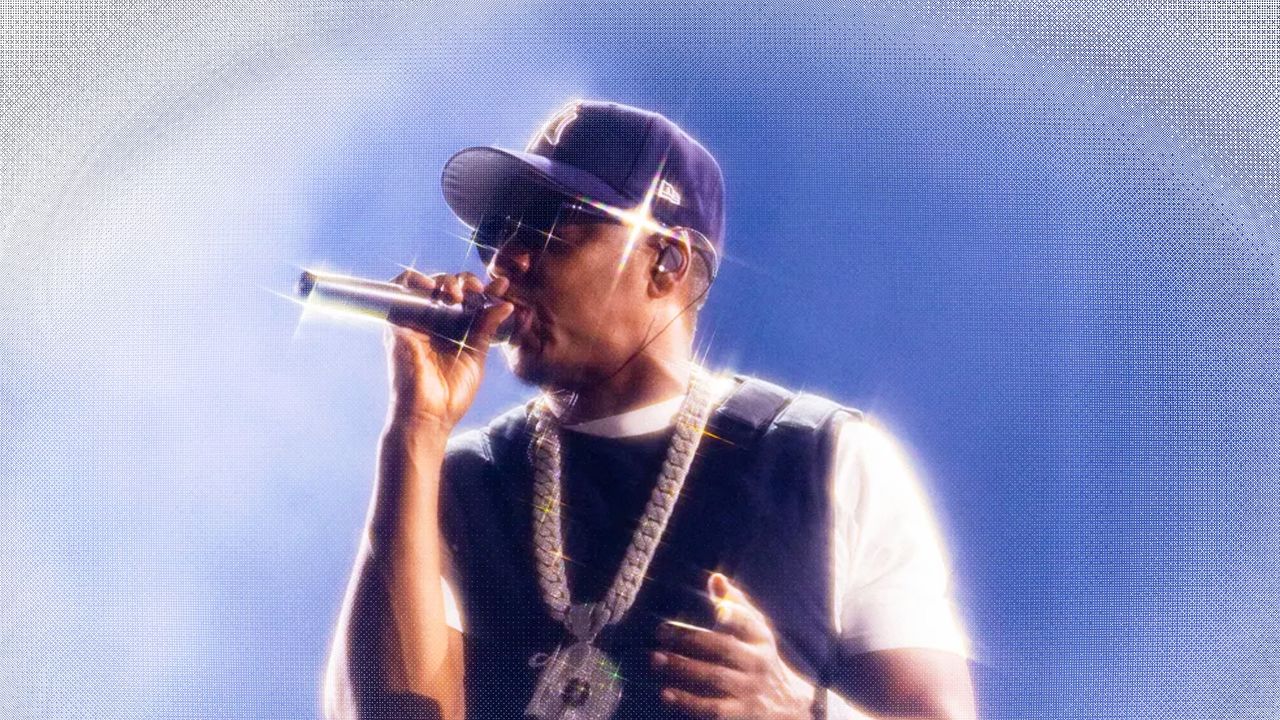
The speculation ended at SoFi Stadium last weekend. Jay-Z is officially the headliner for the 2027 Super Bowl halftime show – and the pair of shows he performed there over the past two days functioned, whether intentionally or not, as a rough draft of what that stage might demand from him.
For weeks, his name had circulated as the likely pick. Now that it’s confirmed, the conversation shifts from if to how – specifically, how an artist with one of the most catalogued careers in hip-hop history structures 13 minutes of stadium spectacle without turning it into a reunion tour nobody asked for.
What SoFi Revealed
The SoFi shows offered something useful: a real-time read on how Jay-Z commands a room at this stage of his career. He wasn’t road-testing new material or chasing relevance. He was doing what legacy performers do when they’ve stopped needing to prove anything – moving through a set with the kind of control that comes from decades of knowing exactly when to hold a crowd and when to release it.
That quality matters more at a Super Bowl halftime show than at almost any other live event. The halftime audience is not a concert audience. It includes people who have never once pressed play on a Jay-Z track and people who could recite the bridge of “Dead Presidents II” from memory. Holding both simultaneously is a different skill than headlining a festival or filling an arena on a solo run. The SoFi performances suggested he has it.
The Feature Problem
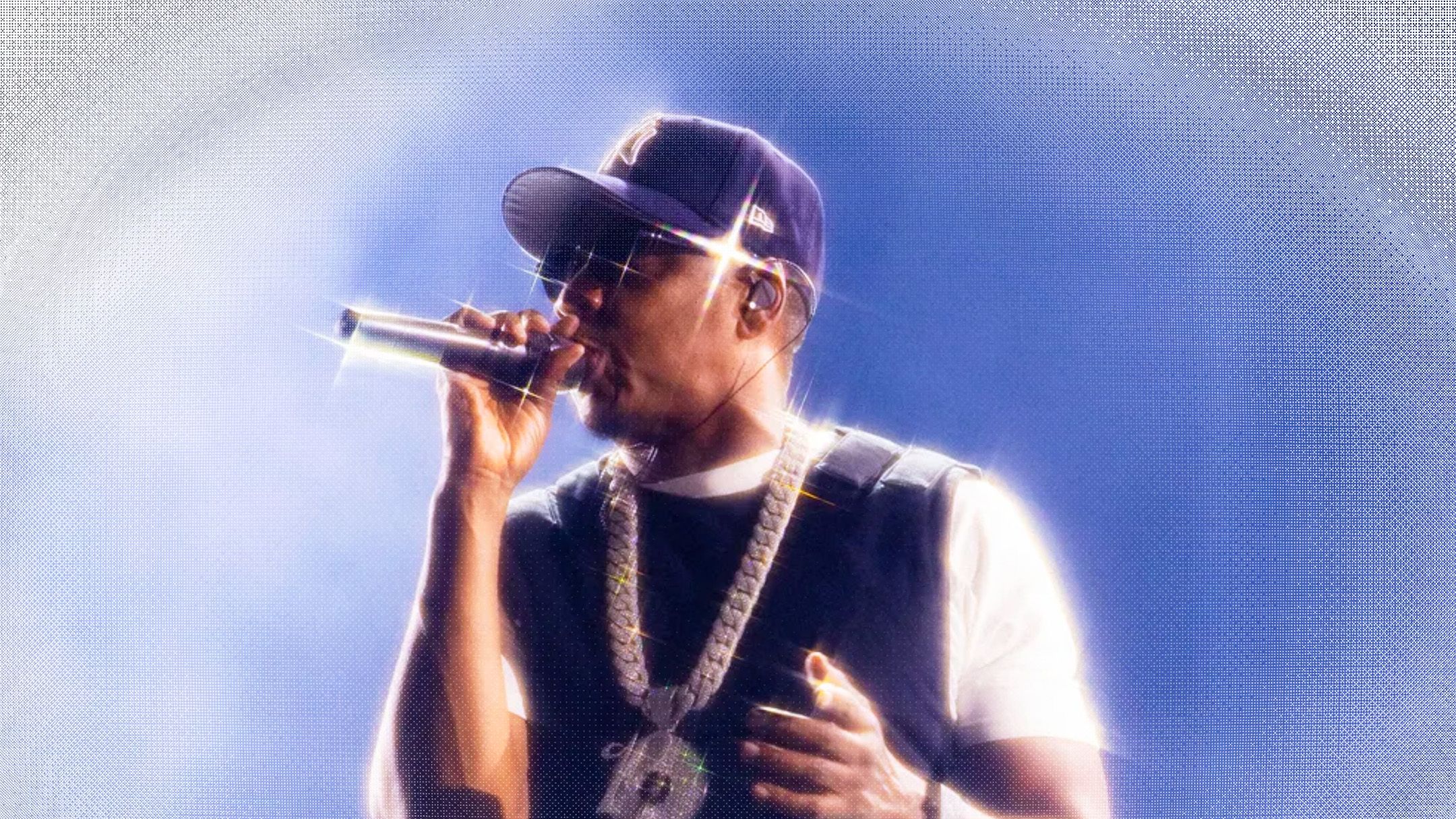
Here is where the stylistic argument gets sharper. Jay-Z’s catalog is deep enough – and confident enough – that the 2027 show does not need guests. The halftime format has gradually trained audiences to expect a parade of cameos, each one arriving to a burst of recognition before the headline act resumes control. It has become a structure more than a choice, and it rarely serves the headliner.
When Beyonce headlined in 2023, the Destiny’s Child moment worked because it felt earned by the set’s internal logic rather than dropped in to generate a social media clip. The risk with featuring collaborators at a Jay-Z halftime show is the opposite dynamic – the guests become the story, and the headliner becomes the context they appear in. His catalog does not need that framing.
There is also a practical argument. Jay-Z has collaborated with nearly every significant figure in hip-hop and R&B across three decades. Any guest list short enough to fit a 13-minute set will read as an omission statement. Bringing out one artist raises the question of why not another. Bringing out none raises no questions at all – it just demands that the performance carry itself, which is a more interesting problem to watch someone solve.
His solo catalog – “99 Problems,” “Empire State of Mind,” “N*as in Paris,” “IZZO,” “Hard Knock Life,” the Blueprint material, the Black Album closing stretch – gives a set designer enough to build a full arc without borrowing anyone else’s energy. The challenge is not filling time. The challenge is curation, which is a style problem as much as a musical one.
The Aesthetic Stakes
Super Bowl halftime shows have become cultural events judged as much on production design, staging, and overall visual identity as on musical performance. The clothes, the light design, the blocking – all of it contributes to how the set gets remembered. Jay-Z has never been a maximalist performer in the way that production-heavy artists are. His stage presence runs on restraint, on the gap between his delivery and the density of the lyrics.
That restraint is a stylistic asset at SoFi or Madison Square Garden. Whether it translates to a stage designed to be watched by 100 million people simultaneously – half of whom are watching on a second screen – is the real open question heading into 2027.
Two Years and a Blueprint
The 2027 Super Bowl is far enough away that the SoFi shows are less a rehearsal than an early indicator. What they confirmed is that Jay-Z in his mid-fifties performs like someone who has made peace with his own catalog – not nostalgic about it, not trying to update it, just executing it with the precision of someone who built it line by line and knows exactly what each piece weighs.
The real decision he and his team face isn’t whether to bring guests. It’s whether the show attempts to narrate a career or simply occupies one. A halftime set that tries to tell the story of Jay-Z across 13 minutes will look like a Wikipedia entry with a light show. A set that picks a lane – dense, focused, uninterrupted – might look like something else entirely. SoFi, at least, pointed toward the second option. Whether that instinct holds two years from now, with the full machinery of the NFL and a global broadcast audience attached to every decision, is a different pressure than a weekend run at a stadium in Inglewood.