




The Sidewalk Was Never Really Yours
There is a version of New York City that belongs to everyone – the benches, the courtyards, the odd triangles of land between intersections where someone once planted tomatoes in a coffee can. Then there is the version that actually exists, where a vacant lot sits behind a chain-link fence accumulating broken glass while a development permit winds through city bureaucracy, and where a venue charges admission to a courtyard that pedestrians once crossed freely. A group of locals is now pushing back against that second version, lobbying to convert vacant lots into community gardens and challenging the event venue Guastavino’s over access to a courtyard it has absorbed into its operations.
The fight is unglamorous and slow, conducted through zoning meetings and polite confrontations with property managers rather than protests that make the evening news. But it points to something that has been quietly restructuring city life for decades: the steady transfer of nominally public or ambiguously public space into privately controlled territory, often without any formal announcement that it has happened.
Guastavino’s and the Courtyard Question
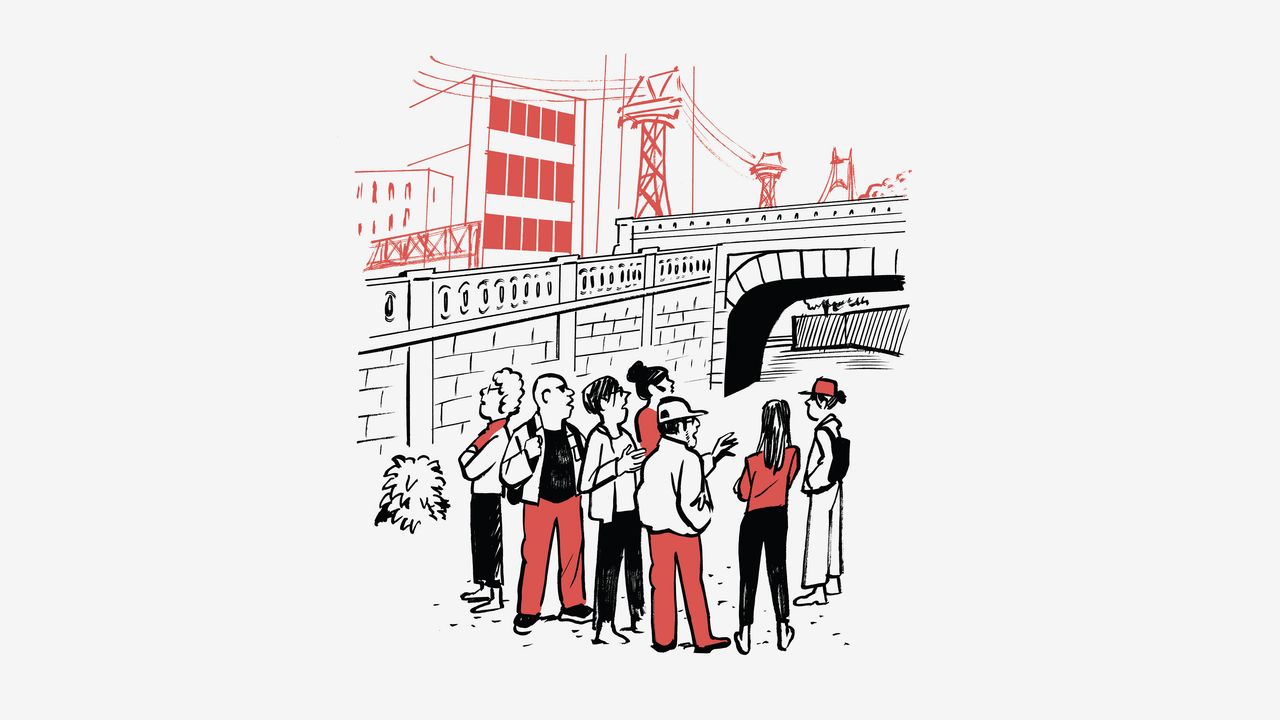
Guastavino’s occupies one of the more architecturally striking spaces in Manhattan – the vaulted underbelly of the Queensboro Bridge, its Catalan-tiled ceiling dating to the early twentieth century. As a venue, it has hosted weddings, corporate events, and the kind of parties where the room is the real attraction. The courtyard adjacent to the space is where the current dispute is centered. Locals contend that this outdoor area should remain accessible to the general public; Guastavino’s, in practice, has been treating it as an extension of its private operations.
The specifics of who holds the legal right to that courtyard – whether access was ever formally granted to the public, what permits govern its use, and what recourse residents have – are exactly the kind of details that make urban land-use disputes so difficult to resolve and so easy to ignore. The locality group lobbying against the current arrangement has been pressing those questions. So far, the courtyard remains controlled by the venue.
What makes this particular fight more than a neighborhood grievance is the structure it exposes. Event venues, hotels, and commercial landlords have long understood that outdoor space adjacent to their properties can be annexed quietly – not through legal seizure but through consistent physical control. Put up a velvet rope, station a staff member at the entrance, close the gate on a Tuesday afternoon, and within a season the surrounding neighborhood accepts the new arrangement as the original one. Memory is short. Signage is absent. Nobody files a complaint because nobody is sure there is anything to complain about.
New York has a complicated history with this specific mechanism. The city’s Privately Owned Public Spaces program – known as POPS – was designed to formalize an exchange: developers received extra floor area in return for maintaining publicly accessible plazas, arcades, and atriums at street level. The program has produced more than five hundred such spaces across the five boroughs. It has also produced decades of documentation showing that a significant portion of those spaces are poorly marked, actively hostile to prolonged use, or effectively inaccessible. The Guastavino’s courtyard situation is not technically a POPS case, but it rhymes with the same pattern of a space that reads as public until it suddenly isn’t.
Vacant Lots as Contested Ground
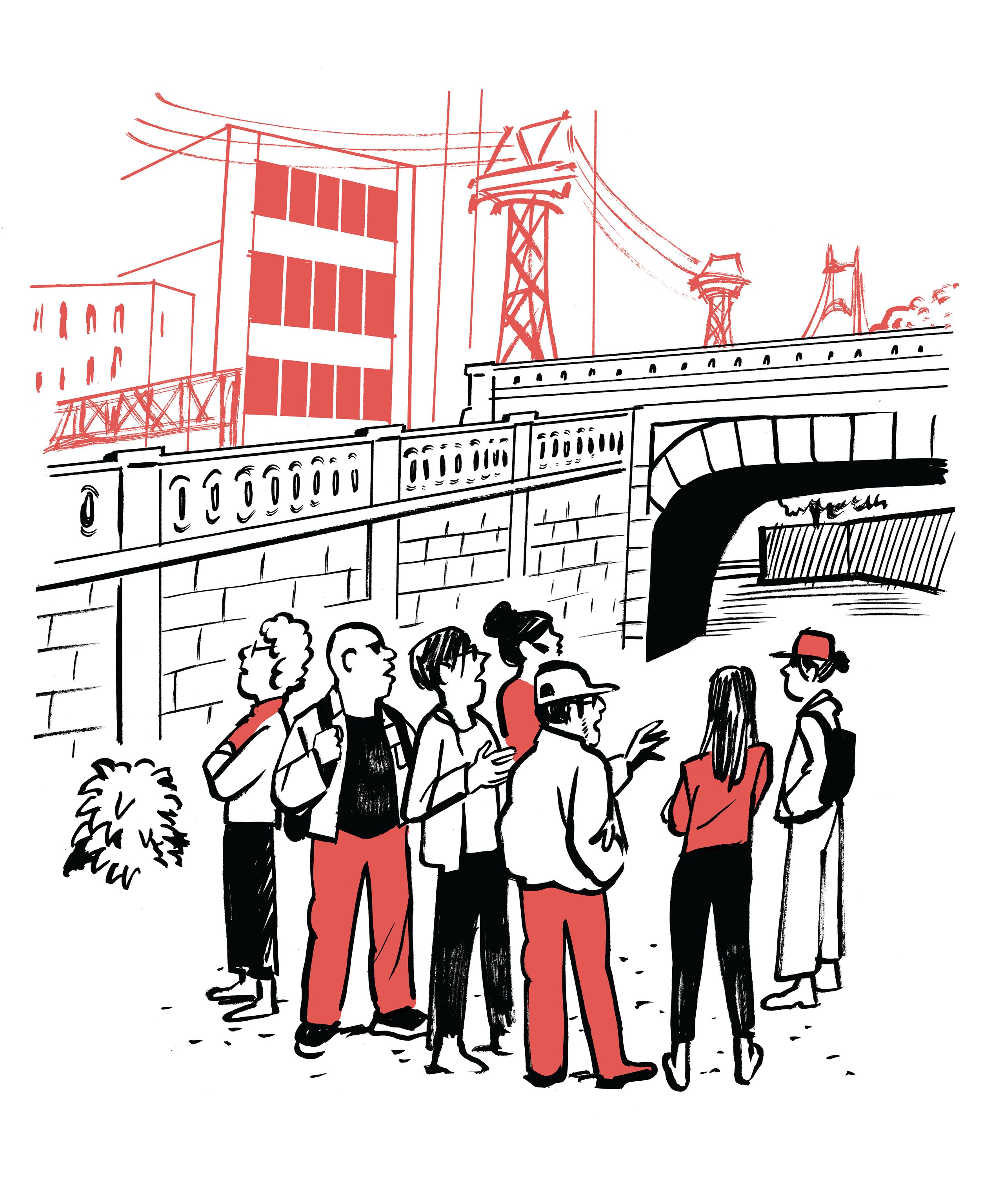
The garden campaign runs on different logic. Vacant lots – and New York has thousands of them, scattered across every borough in various stages of legal limbo – represent a kind of urban negative space. They are not quite private in any active sense, not quite public in any useful sense, and not quite anything else. A property sits, generates no revenue, accumulates violations, and waits out whatever development calculation its owner is running.
The group lobbying to convert some of these lots into gardens is making a straightforward argument: unused land in dense residential neighborhoods has a community cost, and that cost should create a corresponding community claim. The conversion would require cooperation from property owners, city agencies, and in some cases state-level approval depending on how the lots are titled. It is the kind of initiative that sounds reasonable in a community board presentation and then spends three years in administrative amber.
Who Gets to Define Public
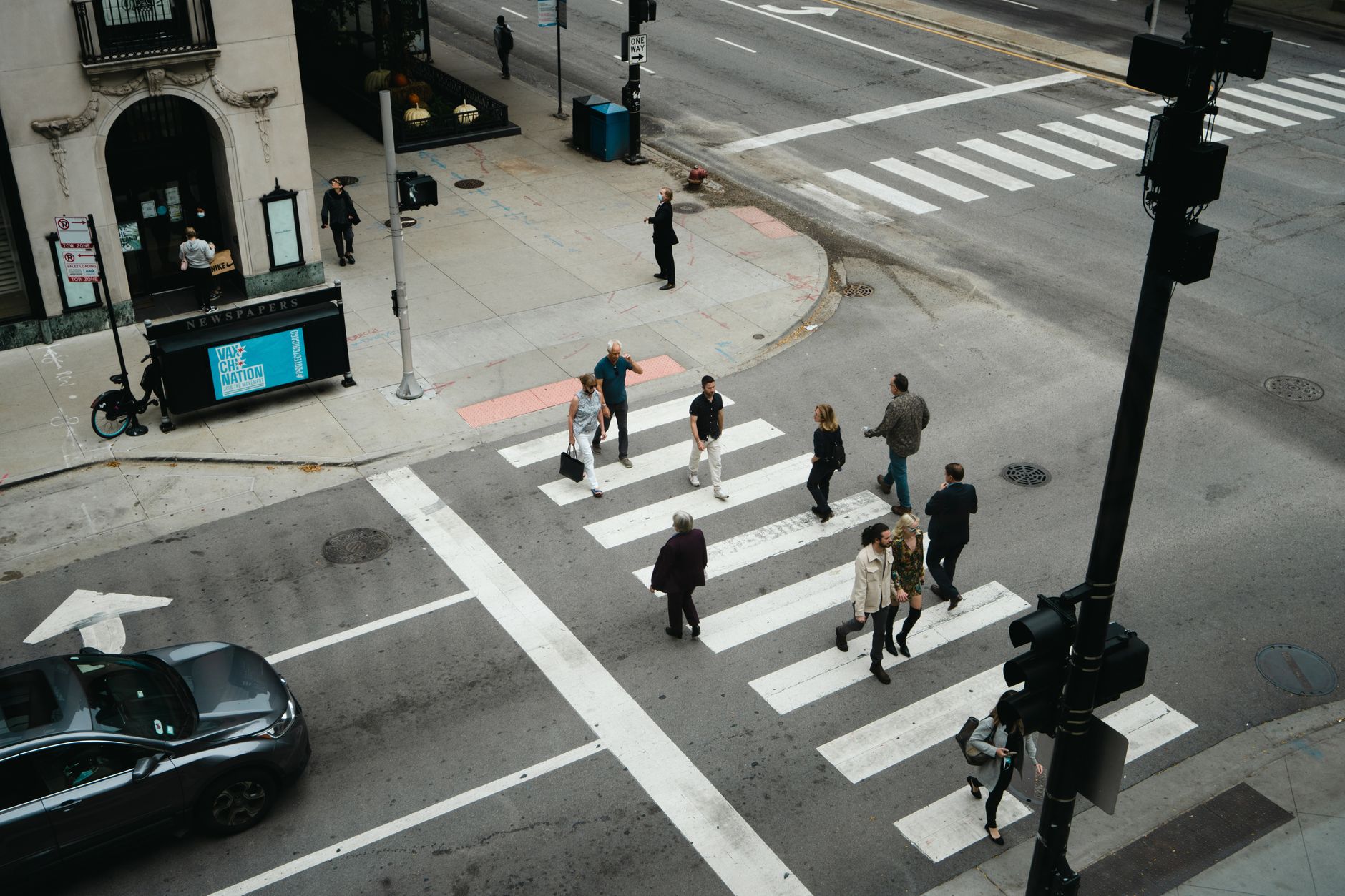
The deeper question threading through both the garden campaign and the Guastavino’s dispute is definitional. “Public space” has never been a stable category in American cities. It has always existed on a spectrum running from the fully open – a sidewalk, a public park – to the semi-permissive, where access is technically available but practically constrained by design, cost, or social signal. A hotel lobby that anyone can technically walk through but that deploys marble floors, suited staff, and $22 cocktails to ensure that most people understand they are not the intended occupants is a public space in the legal sense and a private one in every experiential sense.
What the locals organizing around these New York spaces seem to understand is that the fight over public space is rarely about dramatic acts of enclosure. It is about accumulated small decisions – a gate left closed an hour earlier, a sign that says “Private Event Tonight” on enough nights that it starts to feel permanent, a vacant lot left fallow long enough that neighbors stop imagining it as anything but an eyesore. Each individual decision seems minor. The aggregate is a city that physically belongs to its residents less than it did a generation ago.
This is where the internal geography of a neighborhood starts to shift in ways that don’t show up in real estate data or crime statistics. It shows up in where people walk, where children play, where an older resident can sit for thirty minutes without being asked to purchase something. Ric Burns’s recent documentary work on New York excavates earlier versions of this erosion – different causes, the same underlying question of who the city is actually built for.
The Work of Reclamation
The group involved in these campaigns is not a formal organization in any well-funded sense. It is the familiar New York type: people who got annoyed enough to show up to a meeting, then kept showing up. Their tools are petitions, community board appearances, and the occasional confrontational letter to a property manager. Their leverage is mostly moral and occasionally legal, which means they win slowly when they win at all.
For now, the courtyard at Guastavino’s stays behind the control of the venue, and the vacant lots remain vacant. The garden proposal continues through whatever review process it has entered. And somewhere in the vaulted space beneath the Queensboro Bridge, someone is booking a private event in a room that once had a different relationship with the street outside – one that nobody formally ended, that simply drifted closed, the way a door does when nobody is watching it.