




Tokyo Became the Center of the Ralph Lauren Universe for Four Days
Ralph Lauren devotees – the kind who catalog colorways and chase down deadstock from decades past – gathered in Tokyo for PoloFest, a four-day event that functioned less like a brand activation and more like a congregation. These were not casual fans. They came wearing the pieces most collectors only ever see photographed behind glass on resale platforms, and they wore them hard, in public, in Japan’s capital, exactly as the clothes were designed to be worn.
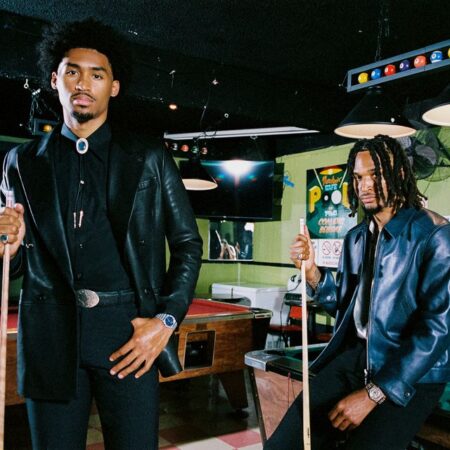
Seventy-six standout looks emerged from the event, each documented as a testament to what serious Ralph Lauren collecting looks like when it leaves the closet and hits the street. André 3000 and Tyson Beckford were among the attendees, lending the gathering a cultural weight that went beyond nostalgia or brand loyalty.
What PoloFest Actually Is – and Why Tokyo Makes Sense
PoloFest is a gathering built around the shared obsession with Ralph Lauren’s Polo line – not the brand’s runway output or its Purple Label tailoring, but the iconic Polo Ralph Lauren sportswear that accumulated its cult following across decades of thrift store excavation, online forum trading, and careful archiving. The pieces that showed up in Tokyo ranged from vintage stadium Polo gear to Bear knit sweaters to rare colorblocked windbreakers that trade for multiples of their original retail price on the secondary market.
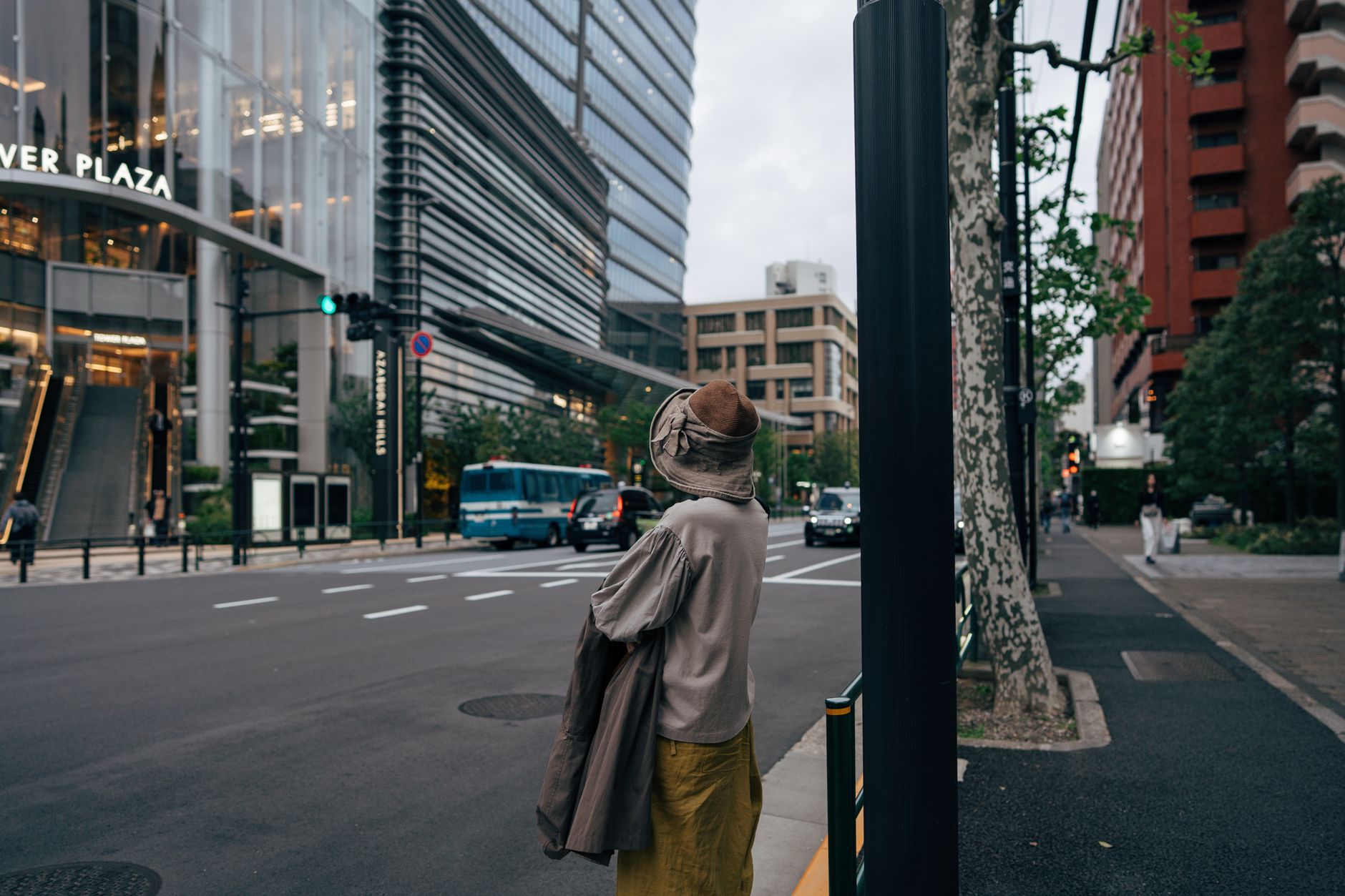
Tokyo is not an arbitrary venue. Japan has maintained one of the most dedicated Ralph Lauren collector communities outside the United States for years, with vintage American sportswear occupying a specific and respected place in Japanese street culture. Ura-Harajuku shops have stocked curated American archive pieces since the 1990s, and the relationship between Japanese consumers and the Polo pony goes back far enough that some of the rarest domestic releases were produced specifically for the Japanese market. Hosting PoloFest there acknowledges a debt the brand has rarely made explicit.
For attendees, the event was also a rare opportunity to see and study pieces in person that most collectors have only tracked through scanned catalog images or auction listings. The social dimension of that – being able to hold a conversation with someone wearing a Bear sweater in person rather than through a direct message thread – is something no amount of digital community building has fully replicated.
André 3000, Tyson Beckford, and the Meaning of the Guest List
André 3000’s presence at PoloFest carries a specific cultural logic. His relationship with American sportswear aesthetics – and with the particular strain of dressed-up, detail-obsessed menswear that Polo helped define in the 1990s – is well documented through his years with OutKast and his more recent evolution into a figure who thinks publicly and seriously about clothes. His attendance was not celebrity endorsement in the conventional sense. It was participation.
Tyson Beckford’s history with Ralph Lauren runs even deeper. He became the face of Polo Ralph Lauren in 1993, a casting decision that was genuinely unusual for the era and helped reshape what the brand’s visual identity communicated. Beckford appearing at PoloFest in Tokyo – among collectors rather than on a runway or in an ad campaign – suggested something about how the brand’s cultural legacy gets maintained outside of official channels. The fans who showed up with their rarest pieces were, in a sense, doing the same preservation work the brand itself has often been slower to do.
The Clothes Themselves: 76 Looks and What They Represent
Calling them “the 76 Ralph-iest fits” is accurate in a way that repays some unpacking. “Ralph-iest” is collector shorthand for the kind of maximalist, logo-forward, era-specific styling that defines peak Polo – layers of recognizable pieces, rare colorways worn together, stadium Polo jackets over cable-knit sweaters, the Pony appearing in multiple places on a single outfit without tipping into parody. It is a very specific aesthetic vocabulary, and the people at PoloFest in Tokyo were fluent in it.
The term “Pony grails” that circulates in collector communities refers to the pieces that represent the ceiling of any given collection – items that rarely surface for sale, that exist in limited enough quantities to make finding one in the right size feel like an event worth documenting. The grails that showed up in Tokyo were not just worn – they were flexed, which in this context means displayed with the deliberate confidence of someone who understands exactly what they’re holding and wants others to understand it too.
What makes the best Polo archival pieces interesting as objects is their relationship to the American prep and sportswear traditions they drew from – and their simultaneous departure from those traditions. Ralph Lauren built an aspirational mythology around those reference points, but the clothes themselves, especially the most desirable vintage pieces, ended up being adopted most enthusiastically by communities that were pointedly excluded from the prep world the brand was romanticizing. That tension is part of what makes the collector culture around the Pony so layered. It is not straightforward nostalgia.
The 76 documented looks from PoloFest represent a cross-section of that complexity – attendees from different backgrounds and different collector entry points, each interpreting the same brand heritage through their own lens, all in Tokyo, all over four days. André 3000 in the mix. Tyson Beckford – the man who was Polo’s face in 1993 – walking the same floor as someone who may have been a child when those original ads ran.
If you follow vintage watch deals with the same attention collectors bring to Polo, you already understand the psychology – the patient hunting, the instant recognition of the right piece, and the particular satisfaction of wearing something rare without needing to explain why it matters.
The question that lingers after looking through 76 outfits worn by people who have spent years accumulating exactly the right pieces: when a brand’s archive becomes this culturally alive in the hands of its collectors, does the brand itself still get to define what the clothes mean?