




A Mill Reopens an Old Argument
Selvedge denim has long carried a quiet geographic irony: the fabric that built American workwear culture became, over the course of several decades, almost exclusively a Japanese and European product. That is now changing. Mount Vernon Mills, less than a year after acquiring the famed looms from Cone White Oak, is shipping its first rolls of American-made selvedge – and brands are already lining up to secure their allocation.
The speed of the turnaround is notable. Acquiring specialty shuttle looms is one challenge; getting them to produce fabric that meets the standards of a market trained on Kojima-district Japanese denim is another. Mount Vernon has done both inside twelve months, and the industry is paying attention.
What Cone White Oak Left Behind
Cone White Oak’s closure remains one of the more mourned moments in American textile history. Based in Greensboro, North Carolina, White Oak was the last domestic mill producing selvedge denim at any meaningful commercial scale before it shut its shuttle looms down in 2017. The equipment it ran – narrow shuttle looms that weave fabric with a clean, self-finished edge rather than the raw cut edge of modern projectile looms – represented a dying manufacturing tradition even then. When those looms went quiet, American selvedge essentially went with them.
Mount Vernon Mills’ acquisition of that equipment was never framed as nostalgia. It was a business calculation: demand for selvedge denim among premium denim brands, raw denim enthusiasts, and heritage workwear labels has not weakened. If anything, the global supply chain disruptions of the early 2020s pushed several brands to look harder at domestic sourcing options that simply did not exist. Mount Vernon identified the gap and moved to fill it.
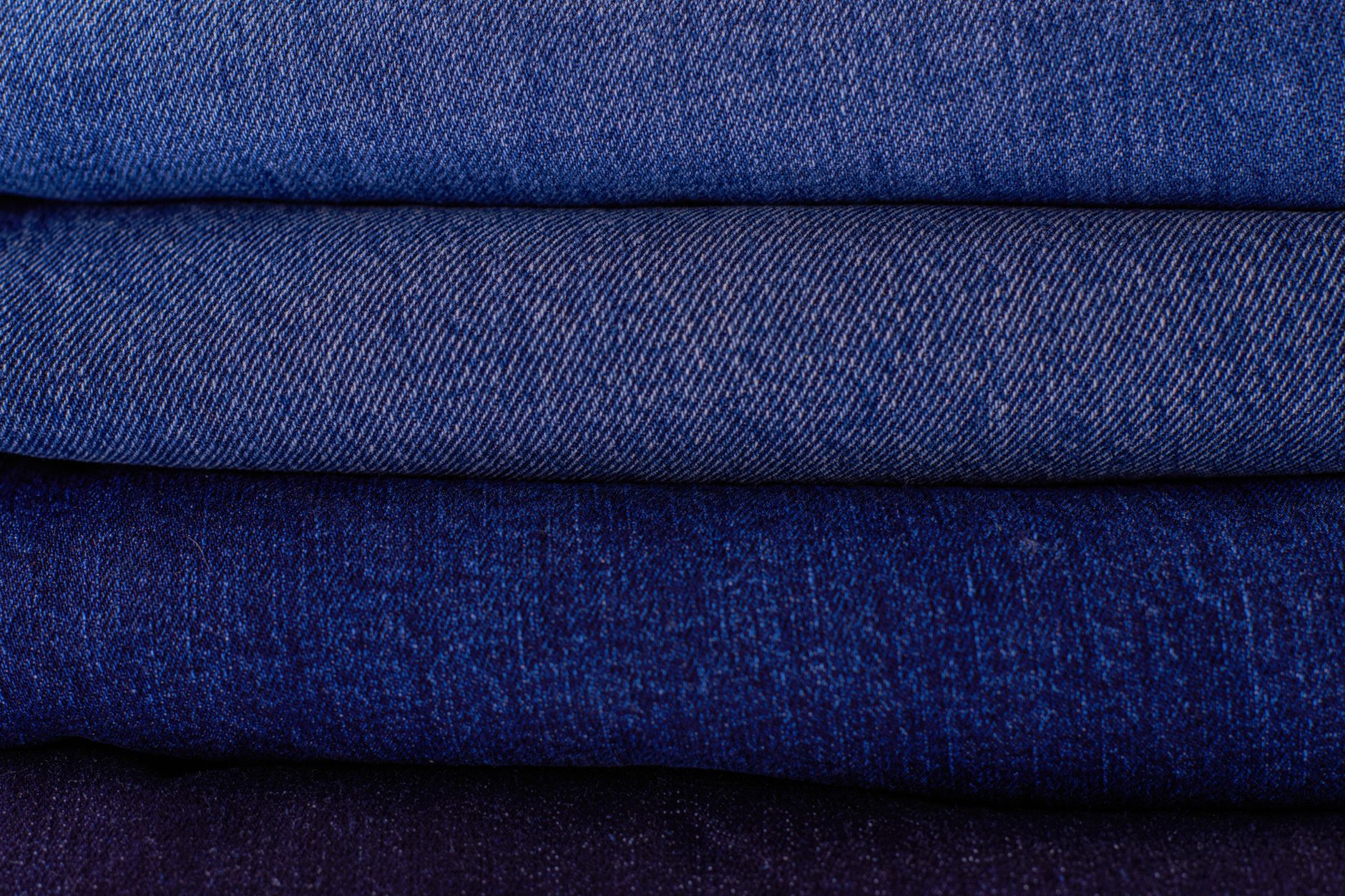
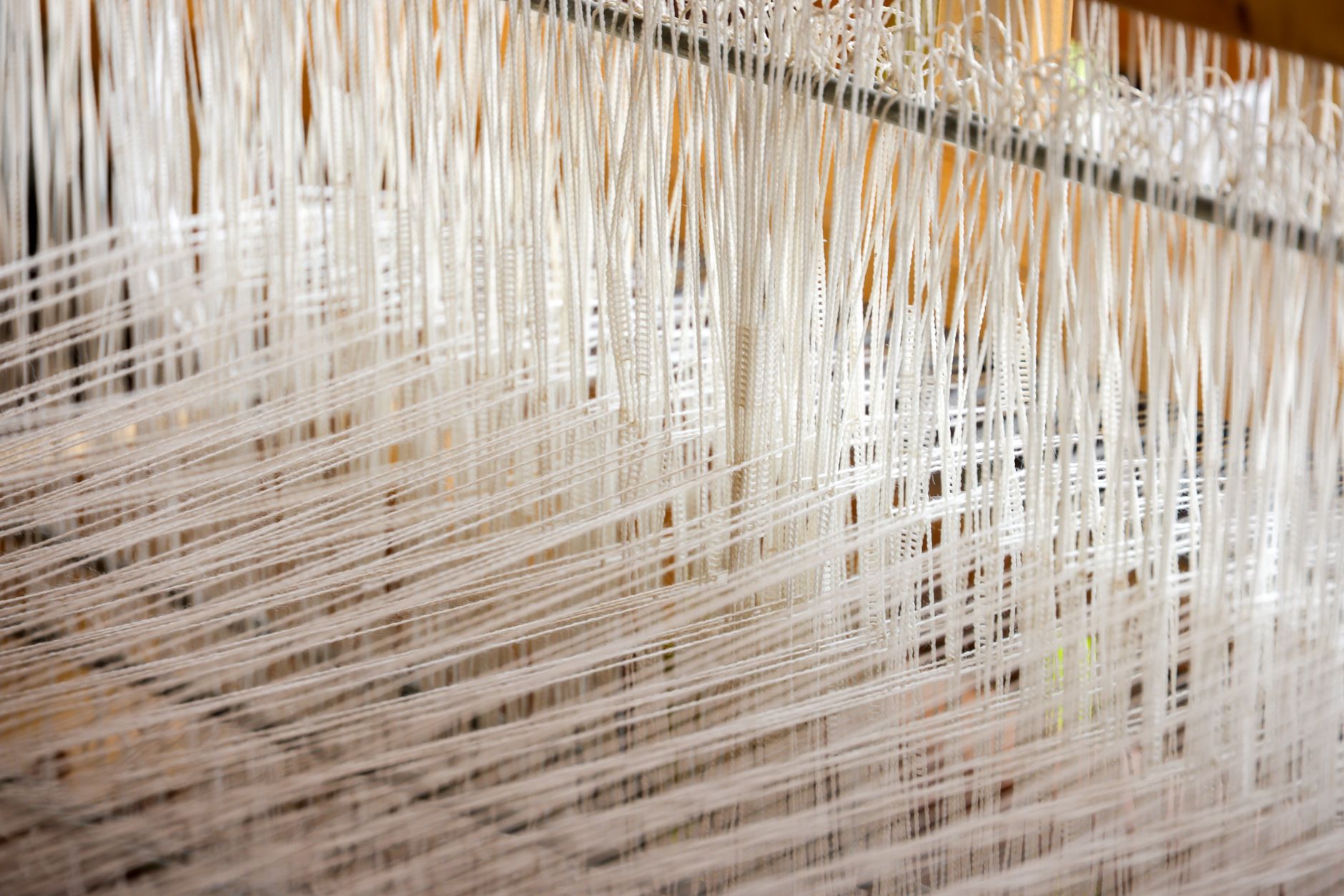
The looms themselves carry history in a literal sense. Shuttle looms weave at slower speeds than modern equipment, interlacing warp and weft yarns in a way that produces a denser, more even fabric with that characteristic narrow width – typically around 29 to 32 inches – and the tightly bound selvedge edge that denim obsessives prize. The fabric behaves differently from mass-produced denim: it fades along specific wear lines, develops unique patterns with age, and holds its structure through repeated washing in ways that ring-spun, selvedge-woven denim does uniquely well. These are not cosmetic qualities. They are structural ones, built into the weave itself.
Who’s Buying
Brands lining up for Mount Vernon’s output represent the intersection of heritage manufacturing enthusiasm and genuine commercial appetite. The selvedge market is not a niche vanity project – premium raw denim jeans regularly retail between $200 and $400 at the entry level, with Japanese and American-made products from smaller labels pushing well above that. A domestic selvedge source changes the sourcing math considerably for brands that want a “Made in USA” end product without routing fabric through a transatlantic or transpacific supply chain.
The “Made in USA” designation also carries weight that goes beyond marketing. For brands selling through retailers that prioritize domestic manufacturing – or for direct-to-consumer labels whose customer base tracks supply chain provenance closely – having American selvedge available at commercial scale is a material shift in what’s possible.
The Fabric’s Long Road Back
Understanding why this matters requires a short step back through denim manufacturing history. Selvedge production declined in the United States not because the fabric fell out of favor but because the economics of shuttle-loom weaving could not compete with faster, wider projectile and rapier looms that became standard from the 1970s onward. Japanese mills – particularly in the Kojima and Bingo regions of Okayama prefecture – bought up American shuttle looms as domestic manufacturers retired them, and then spent decades refining the process. The result was a Japanese selvedge industry that became the global benchmark.
American brands wanting selvedge fabric have spent the years since White Oak’s closure either importing Japanese or European fabric or working with the very few domestic mills capable of producing anything comparable in small quantities. Neither option was ideal. Import costs, minimum order requirements, and lead times made domestic selvedge a permanent want rather than a working reality for many brands. Mount Vernon’s production changes that calculus directly.
There is also a craft dimension that runs alongside the commercial one. The community of raw denim enthusiasts – a group that tracks fabric weight in ounces, catalogues fade patterns online, and can identify a mill’s output by the character of its selvedge ID tape – has followed Mount Vernon’s progress with the kind of attention usually reserved for sneaker drops. For them, domestic selvedge is not simply a sourcing preference. It is a restoration of something they considered genuinely lost.
Mount Vernon Mills is now a functioning answer to a question American denim has been asking since 2017: what happens when the last domestic selvedge loom goes dark? Apparently, it waits. Someone buys it, starts it back up, and within a year ships fabric that has brands rerouting purchase orders and enthusiasts recalibrating what “American denim” can mean again. The first rolls are already moving. Whether the mill can scale output to meet the demand forming around it – without compromising the slow, narrow, temperamental weave that makes selvedge worth the conversation – is a question the next twelve months will answer more honestly than any announcement.
Mount Vernon has the looms. It has the fabric rolling out. What it does not yet have is a long production record on this equipment, and in selvedge, consistency across dye lots and fabric weights is exactly where reputations are built or quietly buried.