




The City at Its Breaking Point, Documented
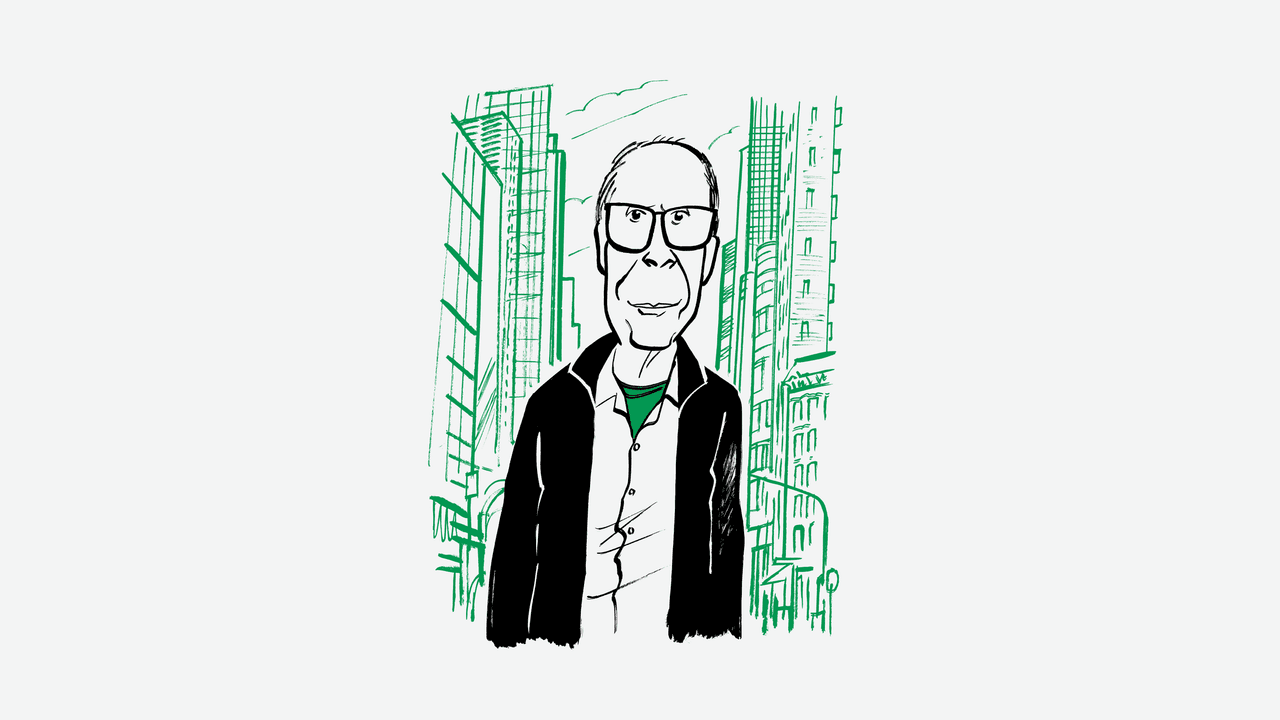
Ric Burns has spent decades building one of the most sustained arguments ever made on film: that New York City is worth understanding on its own terms, in full, without shortcuts. His long-running documentary series New York: A Documentary Film has stretched across years and episodes, tracing the city from its colonial origins through its modern reinventions. Now Burns is adding two new episodes to that archive, and the subject matter is about as dark as the city has faced in living memory – Superstorm Sandy, the COVID-19 pandemic, and the mayoral tenure of Eric Adams.
The timing of the release positions Burns as something of a counter-voice to the prevailing mood around New York, which has oscillated between elegies for a lost city and grudging acknowledgments that it somehow keeps functioning. Burns, a self-described optimist, is apparently not done making the case.
A Series That Refuses to End
What makes New York: A Documentary Film an unusual project in American documentary history is its refusal to treat the city as a fixed subject. Most long-form city documentaries get made once, becoming time capsules that age in place. Burns has returned repeatedly, extending the series as history accumulates rather than treating any single moment as a conclusion. The two new episodes continue that logic – the city does not stop generating material that demands serious attention, and Burns does not stop showing up to collect it.
That the new episodes cover Sandy, COVID, and Adams says something about the specific quality of crisis New York has absorbed since the early 2010s. These are not the same kind of rupture. Sandy was a physical disaster, a single violent event with a measurable before and after. COVID was slower, more diffuse, and stripped the city of the density and noise that define its identity. Adams is something else entirely – a political story, still unresolved, about leadership, corruption allegations, and what it looks like when a city’s governance becomes its own kind of spectacle. Putting all three in the same frame requires Burns to work across very different registers of failure and endurance.
Sandy, COVID, Adams: Three Kinds of Reckoning
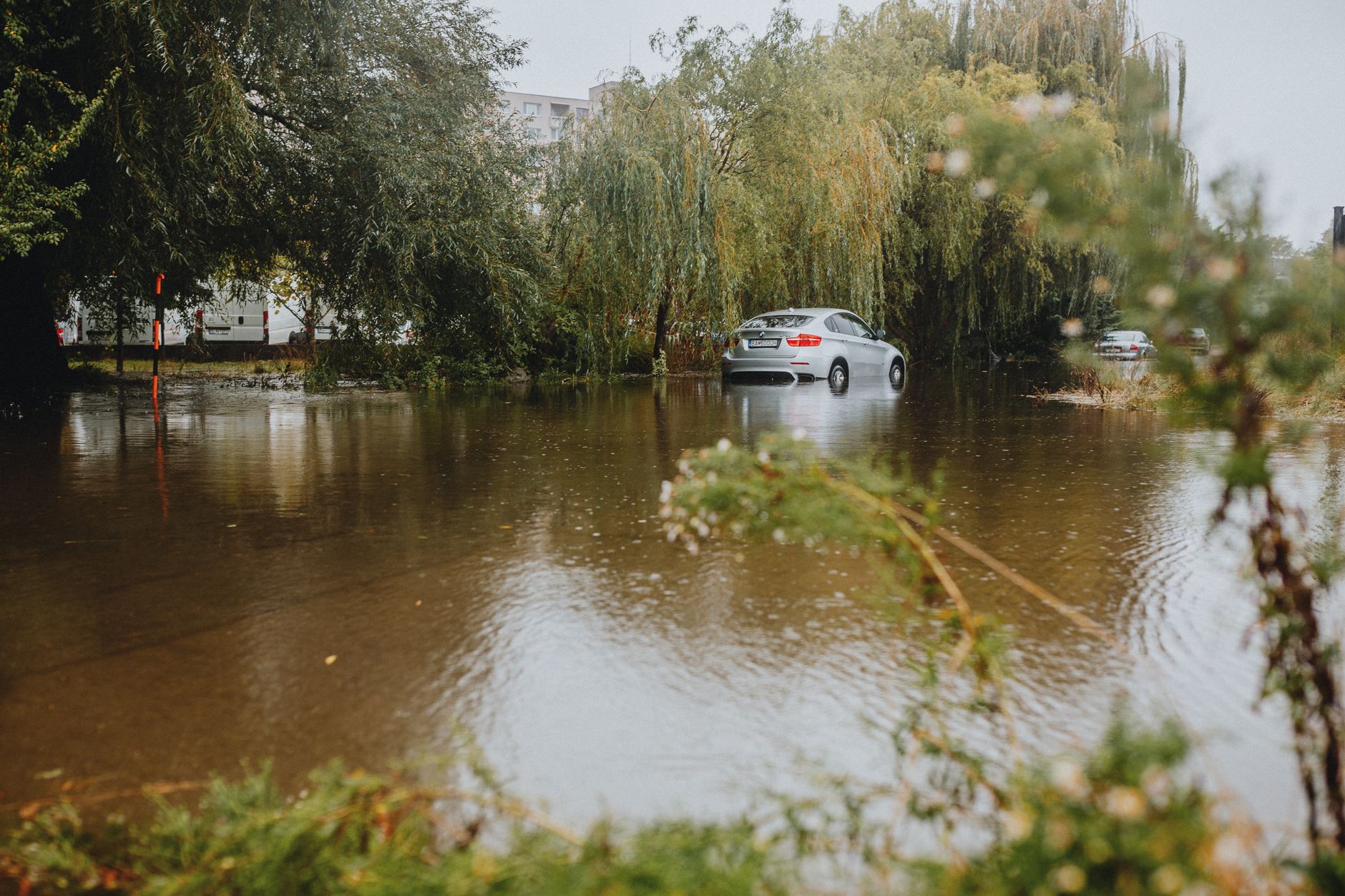
Superstorm Sandy made landfall in October 2012, killing dozens of people in New York City and causing an estimated $19 billion in damage across the five boroughs. Entire neighborhoods – Red Hook, the Rockaways, Staten Island’s eastern shore – were submerged or destroyed. The storm exposed how much of New York’s critical infrastructure had been built without serious consideration of what water could do to it. Thirteen years later, many of those communities are still working through the aftermath in ways that rarely surface in broader conversations about the city’s recovery.
COVID hit New York earlier and harder than almost anywhere else in the United States. In the spring of 2020, the city became the center of the American outbreak, recording thousands of deaths in a matter of weeks. Refrigerated trucks served as temporary morgues outside hospitals. The subways, the city’s circulatory system, ran nearly empty. Office buildings, restaurants, cultural institutions, and schools closed simultaneously in a way that had no modern precedent. The economic and psychological damage extended long past the acute phase of the crisis, reshaping patterns of work, residence, and commerce that had been stable for generations.
Eric Adams, who became mayor in January 2022, has governed through the long tail of that disruption – and generated a separate, ongoing crisis of his own. Federal corruption charges filed against Adams in 2024 alleged a pattern of bribery involving foreign nationals and city contracts. Adams denied the charges and refused to resign, creating a prolonged standoff that consumed enormous political energy in a city that was already exhausted. The Justice Department later moved to drop the charges under pressure from the Trump administration, a decision that produced its own political fallout and left the legal and ethical questions around Adams largely unresolved.
Burns, described as an optimist, apparently finds within all of this something worth making a documentary about – not despite the grimness of the material, but through it. That orientation separates his project from straight disaster journalism. He is not simply cataloguing what went wrong. He is asking what the city looks like when you hold Sandy, COVID, and Adams in the same frame as everything that came before them.
Ken Burns’s Brother, His Own Kind of Filmmaker
The comparison to Ken Burns is unavoidable and probably exhausting for Ric Burns at this point. Ken Burns is among the most recognizable documentary filmmakers in American history, his name attached to landmark series on the Civil War, baseball, jazz, and the national parks. Ric Burns works in the same tradition – long-form, archival, deeply researched – but his focus has been singular in a way his brother’s work is not. Where Ken Burns has ranged across American history as a whole, Ric Burns has spent his career, in significant part, on a single city.
That sustained focus gives New York: A Documentary Film a texture that episodic or thematic documentaries rarely achieve. The series can carry the weight of its own history – a viewer who has followed it from the beginning arrives at these new episodes with decades of context already built up. New York’s current condition is not introduced cold; it arrives as the latest chapter in an argument Burns has been making for years about what the city is and what it keeps surviving.
Optimism as Method
What does it mean to be an optimist about New York right now? The city’s population has declined from its 2020 peak. The commercial real estate market remains distorted by remote work patterns that show no sign of fully reversing. The subway system, while more reliable than it was during its nadir in the 1980s, faces funding shortfalls and ongoing public safety debates. The political leadership is, at minimum, under a cloud. Street homelessness remains visible across neighborhoods that had seen sharp reductions in the years before COVID.
Burns’s optimism is presumably not the boosterism of a chamber of commerce report. Filmmakers who spend years documenting a place tend to develop a kind of structural faith in it – not that things will necessarily improve, but that the subject itself contains enough meaning to justify sustained attention. The fact that Burns is releasing new episodes at all is itself a statement. He has not concluded that New York has become undocumentable, or that the material has dried up, or that the story has ended badly. The two new episodes covering Sandy, COVID, and Eric Adams arrive as evidence that Burns still believes the city is generating history worth sitting with.
Whether that belief survives contact with an audience in 2026 – an audience that has lived through everything Burns is now putting on screen – is the real question hanging over the release.