


A Hairstyle Built on Deliberate Disorder
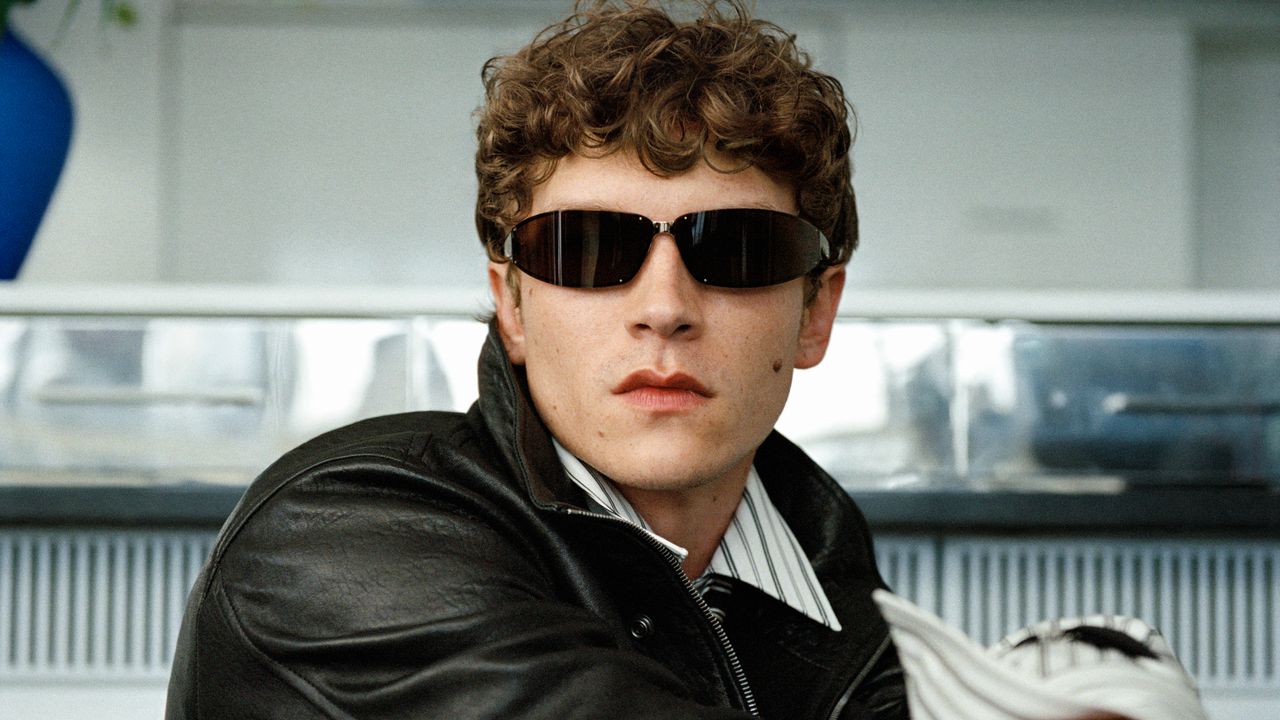
Connor Storrie walked into the Saint Laurent fall 2026 campaign shoot carrying a reference that had nothing to do with the current fashion moment. His hairstylist drew the look directly from a ’70s punk rock legend – a deliberate reach backward into an era defined by anti-establishment energy and hair that looked like it had been styled with contempt for styling. The result landed Storrie, the brand’s global ambassador, in a campaign that treats hair not as an accessory to the clothes but as a primary statement of intent.
For a house like Saint Laurent, that kind of thinking tracks. The brand has spent decades treating the body – all of it, hairline to hem – as a single compositional decision. Storrie’s look for fall 2026 continues that logic, and his hairstylist has since explained both the inspiration and the mechanics of pulling it off at home.
What the ’70s Punk Reference Actually Means Here
Punk hair in the 1970s wasn’t just about volume or color. It was about refusal – refusal of polish, of softness, of the blow-dried ease that dominated men’s grooming through most of that decade. The legends of that scene, from the Clash’s Joe Strummer to the Sex Pistols’ Johnny Rotten, wore hair that announced something before they opened their mouths. Texture was aggressive. Shape was either brutally cropped or deliberately uneven. Nothing looked maintained in the way a salon visit implies maintenance.
Storrie’s version for Saint Laurent filters that aggression through a luxury fashion lens, which means the disorder is controlled rather than actually chaotic. That tension – between punk’s deliberate roughness and high fashion’s obsessive precision – is exactly the gap the hairstylist worked inside. The goal wasn’t to copy a specific person from 1977 but to capture a posture: the sense that the hair exists on its own terms.
How the Look Is Built
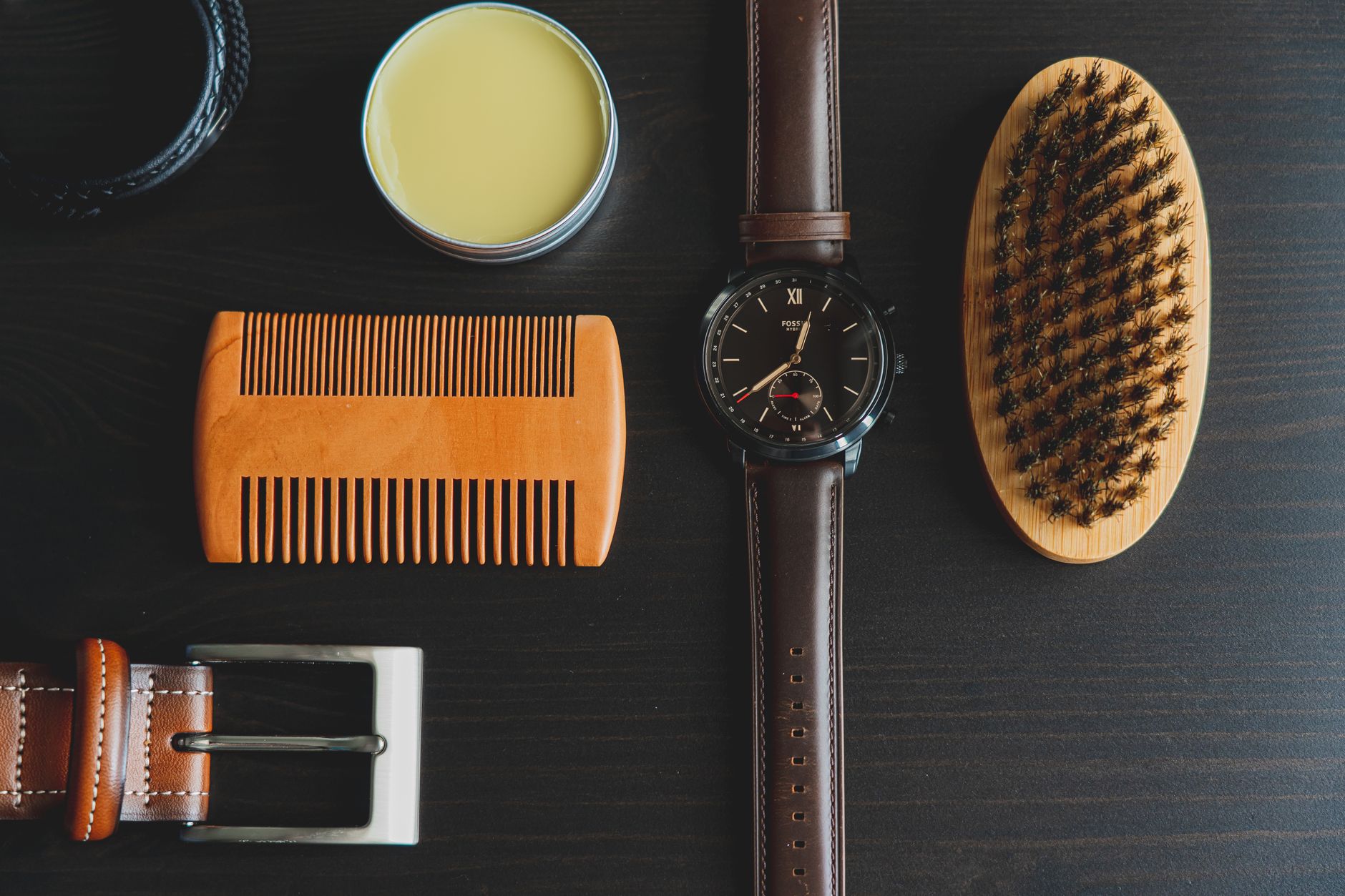
The hairstylist behind the campaign cut described the process to GQ in specific terms. The foundation is a cut that creates weight and texture simultaneously – not a blunt crop, not a layered shag, but something in between that allows the hair to hold a shape without looking structured. The product application matters as much as the scissor work. A light pomade or styling paste, worked through dry or slightly damp hair, gives the strands enough grip to stay separated without turning rigid. The enemy of this look is shine – anything too glossy pulls it out of the punk register and into something closer to a slick side part from a different decade entirely.
Fingers do the heavy lifting here. A comb would impose too much order. The technique involves pushing the hair back and slightly to the side, then pulling individual sections forward at the front to break the uniformity. That forward displacement at the hairline is what creates the specific silhouette that reads as intentional nonchalance rather than just bed head. It’s a harder distinction to manufacture than it sounds.
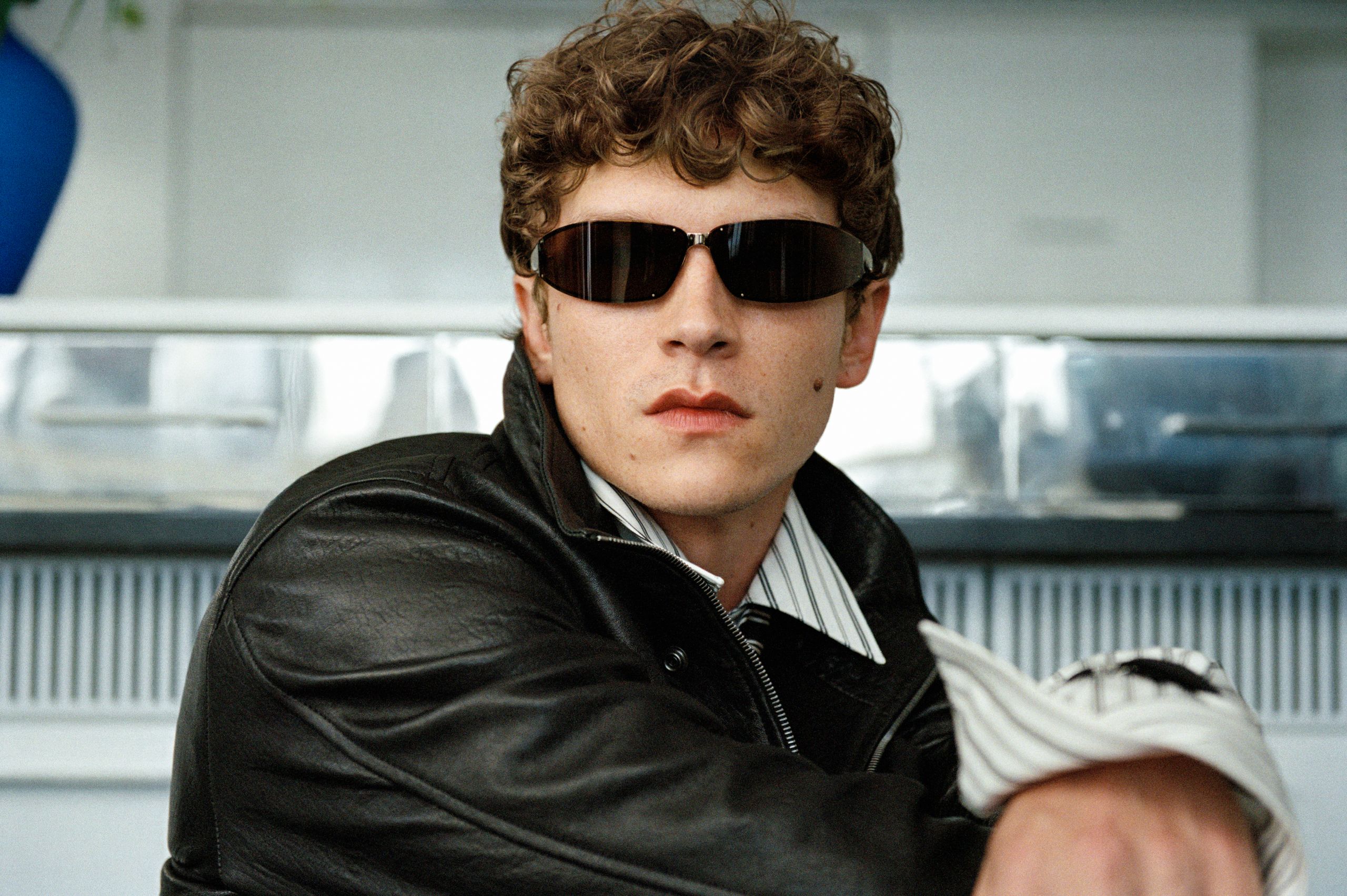
The length Storrie wore for the campaign sits at a point that gives the stylist real material to work with – long enough for texture and movement, short enough that it doesn’t collapse under its own weight. For men who want to replicate it, the hairstylist’s advice points toward letting the hair grow past the point of comfort before committing to the cut. The shape needs mass to function.
Heat isn’t required, which is part of what makes this reproducible without a professional setup. A diffuser can help if the hair is naturally fine and needs volume support, but the look doesn’t depend on a blow-dryer the way that decade’s more polished styles did. That accessibility – intentional or not – keeps the punk reference honest. The original versions weren’t achieved with expensive tools either.
Storrie and the Saint Laurent Ambassador Role
Storrie’s position as Saint Laurent’s global ambassador puts him in front of the brand’s visual language across multiple touchpoints – campaigns, events, editorial appearances. The fall 2026 campaign is one of the more high-profile placements in that role, and the creative team’s decision to anchor his look in a punk rock reference signals something about the direction the house is pulling toward for the season. Saint Laurent’s aesthetic history has always maintained a conversation with rock music and counterculture, going back to Yves Saint Laurent’s own fixations in the ’70s and ’80s.
That lineage makes the punk hair choice feel less like a stylistic reach and more like returning to a source the brand has always kept nearby.
Why This Matters Beyond One Campaign
Men’s hair trends move slowly compared to clothing, which means a campaign like this one has a longer tail than the season it’s attached to. When a brand with Saint Laurent’s visibility puts a specific silhouette into a major campaign, that shape starts appearing in salons within six to twelve months – not because clients bring in the campaign image, but because hairstylists absorb references professionally and translate them into cuts that work for whoever is sitting in the chair.
The ’70s punk rock inspiration Storrie’s hairstylist worked from isn’t esoteric knowledge. Plenty of stylists already keep those references in rotation. What the Saint Laurent campaign does is give the aesthetic a current context – a reason to reach for it now rather than treating it as a period costume. Vintage aesthetics are circulating through fashion right now at an unusual pace, and hair is following the same current.
The specific question the hairstylist leaves open is whether the look translates without the campaign’s production behind it – the lighting, the wardrobe, the particular way Storrie occupies a frame. A Saint Laurent shoot is not a bathroom mirror. The hair might land exactly as intended at home, or it might require a dozen small adjustments that never quite resolve. That gap between editorial reference and lived result is where most men’s style advice quietly stops being useful.