




There is a competition where athletes enter a superheated room, wave towels through the air with choreographed precision, and get scored on technique, scent selection, and crowd energy. It is called Aufguss, and its world championship – the Aufguss World Masters – is no longer a niche European curiosity. It is heading toward American spa culture with real momentum behind it.
What Actually Happens Inside the Sauna
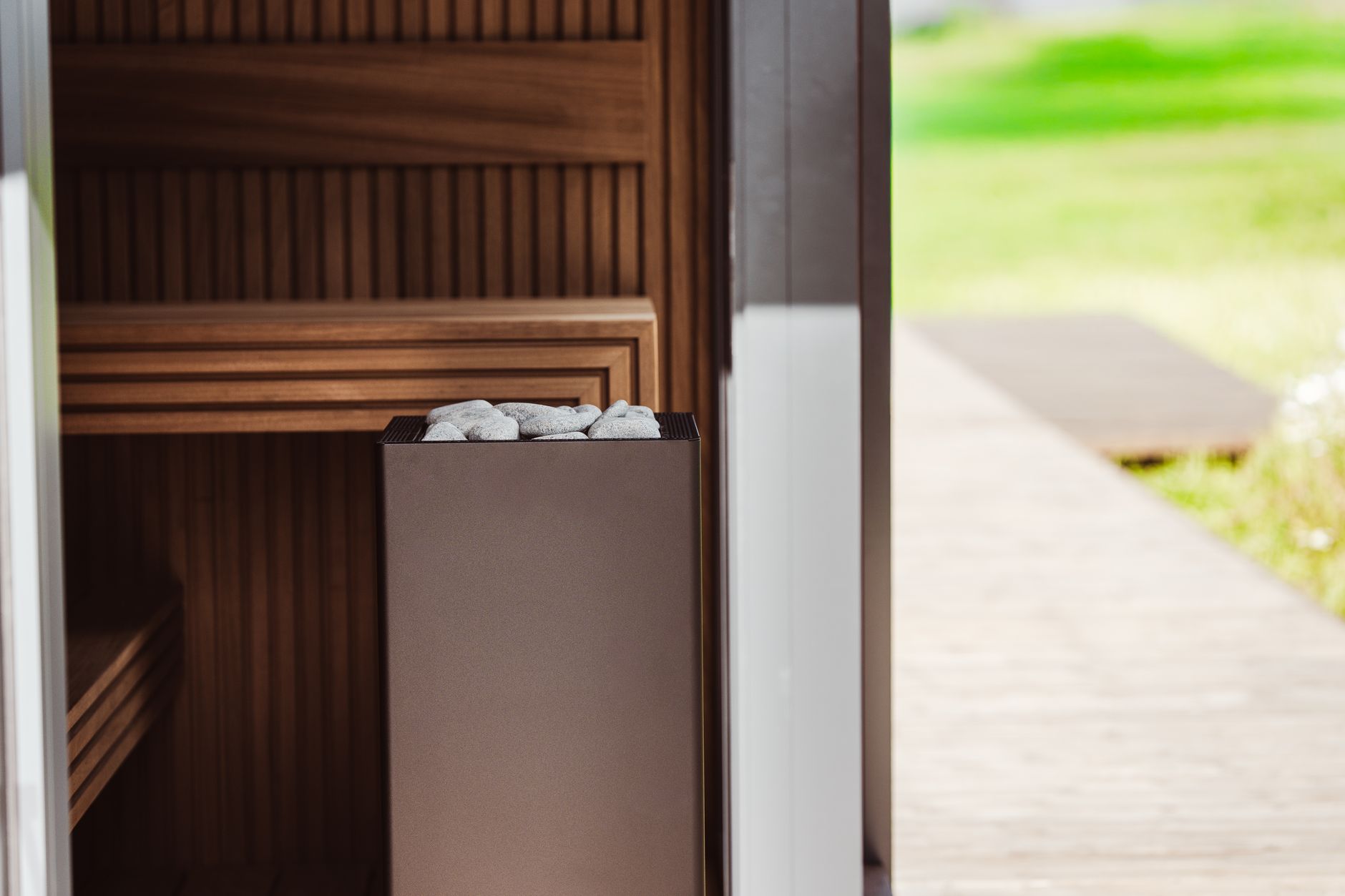
The word Aufguss is German, roughly translating to “infusion.” The practice begins when a Meister – the designated sauna master – ladles water mixed with essential oils onto heated rocks, generating a burst of aromatic steam. What follows is not passive. The Meister then moves through the room swinging and twirling a towel in sweeping, deliberate arcs, pushing that hot, scented air toward the bathers seated on the benches around them.
At the competitive level, this becomes something far more theatrical. Routines are choreographed. Music is chosen. Costumes appear. Judges assess not only how effectively the competitor distributes heat but how well they command the room – the showmanship, the rhythm, the connection with an audience that is simultaneously experiencing the performance and being physically affected by it. Sweat is, in the most literal sense, part of the event.
The Aufguss World Masters is the sport’s biggest annual week, drawing competitors from across Europe and beyond. A New York City bathhouse founder has been among those guiding outside observers through what the event looks and feels like from the inside – and articulating why a practice rooted in Central European spa tradition is finding traction well beyond its origins.
That New York connection matters. American bathhouse culture has spent the last several years in a quiet revival, with urban spa concepts expanding in cities like New York, Los Angeles, and Chicago. The person leading that charge in New York has a front-row view of how Aufguss competition is starting to shape what spa guests expect from a sauna experience – not just heat and silence, but something worth watching.
The Athletic and Aesthetic Logic of Competitive Sauna
Skepticism is a reasonable first response. A towel-twirling competition inside a sauna sounds, at minimum, eccentric. But the physical demands are real. Competitors work inside rooms that reach temperatures most people avoid entirely, sustaining precise, high-effort movement for the duration of their routine while managing their own heat exposure. The towel technique itself requires training – poor form means uneven heat distribution, which the audience notices immediately because they feel it.
What makes Aufguss competition interesting as a cultural object is how directly it fuses wellness and performance. The bather is not a passive consumer. They are an active part of the event – their comfort, their reaction, their willingness to stay in the room – all of it feeds back into the atmosphere the competitor is trying to create. A Meister who loses the room loses the round. This feedback loop gives the whole thing an intimacy that most sports do not have.

The scoring reflects this dual nature. Technical execution – how the towel moves, how heat reaches every corner of the room, how oil is added and at what moment – sits alongside presentation criteria that would not look out of place in figure skating or competitive dance judging. Competitors have leaned into the theatrical side fully. Some routines have narrative arcs. Some have props. The sauna, which most people associate with stillness and detachment, becomes a stage.
European sauna culture has always had a more communal, ritualized character than what most Americans encounter. In Germany, Finland, and Austria, the sauna is a social institution with specific etiquette, timing, and, in the case of Aufguss, a dedicated professional role. The Meister is not an afterthought – they are the reason people return to a particular sauna. Bringing that role into a competitive framework made the skills visible and gave practitioners something to train toward.
The Aufguss World Masters formalized what had been a craft passed between enthusiasts. Now there are rankings, qualifying events, and the kind of year-round preparation that any serious competition demands. For people inside the spa industry, the championship functions as both a showcase and a talent signal – the competitors who perform well at the Masters tend to be the ones redefining what premium sauna experiences look like in the broader market.
Why American Spas Are Paying Attention
The American wellness market has been expanding steadily, and urban bathhouses – once largely the domain of specific immigrant communities and their traditional practices – have been repositioned as destination experiences for a broader demographic. That repositioning requires differentiation. Offering a skilled Aufguss session, or hosting Meister-led events, gives a spa something a standard steam room cannot: a reason to return on a specific day, at a specific time, for a specific person.
The New York City bathhouse founder who has been documenting and discussing the Aufguss World Masters is not simply a fan. They represent the commercial logic driving the sport’s American expansion. If competitive Aufguss produces a recognizable tier of elite practitioners – people with documented skills and championship credentials – then American spas have a clear pipeline for talent that can elevate their programming. The question now is whether American spa guests will show up for it, and whether they will stay in the room long enough to find out what a world-class Meister can do.