





A Policy Built for a Different Launch Era
President Donald Trump signed a presidential memorandum on Thursday establishing a new national space transportation policy – one that explicitly targets more than 1,000 launches and reentries per year by 2030. The directive replaces a 2013 policy signed by former President Barack Obama, and while both documents share a foundation of supporting commercial space industry and maintaining assured access to space, the gap between them captures just how radically the launch market has shifted in thirteen years.
In 2013, the idea of hitting triple-digit annual launches from US soil was theoretical. Last year, the US recorded 176 orbital launch attempts – nearly ten times the 2013 figure – and that number is still accelerating. Federal infrastructure has not kept pace. The new policy is, at its core, an acknowledgment that spaceports built for a slower era are already struggling under current demand, let alone what the next decade demands.
SpaceX Is the Entire Argument
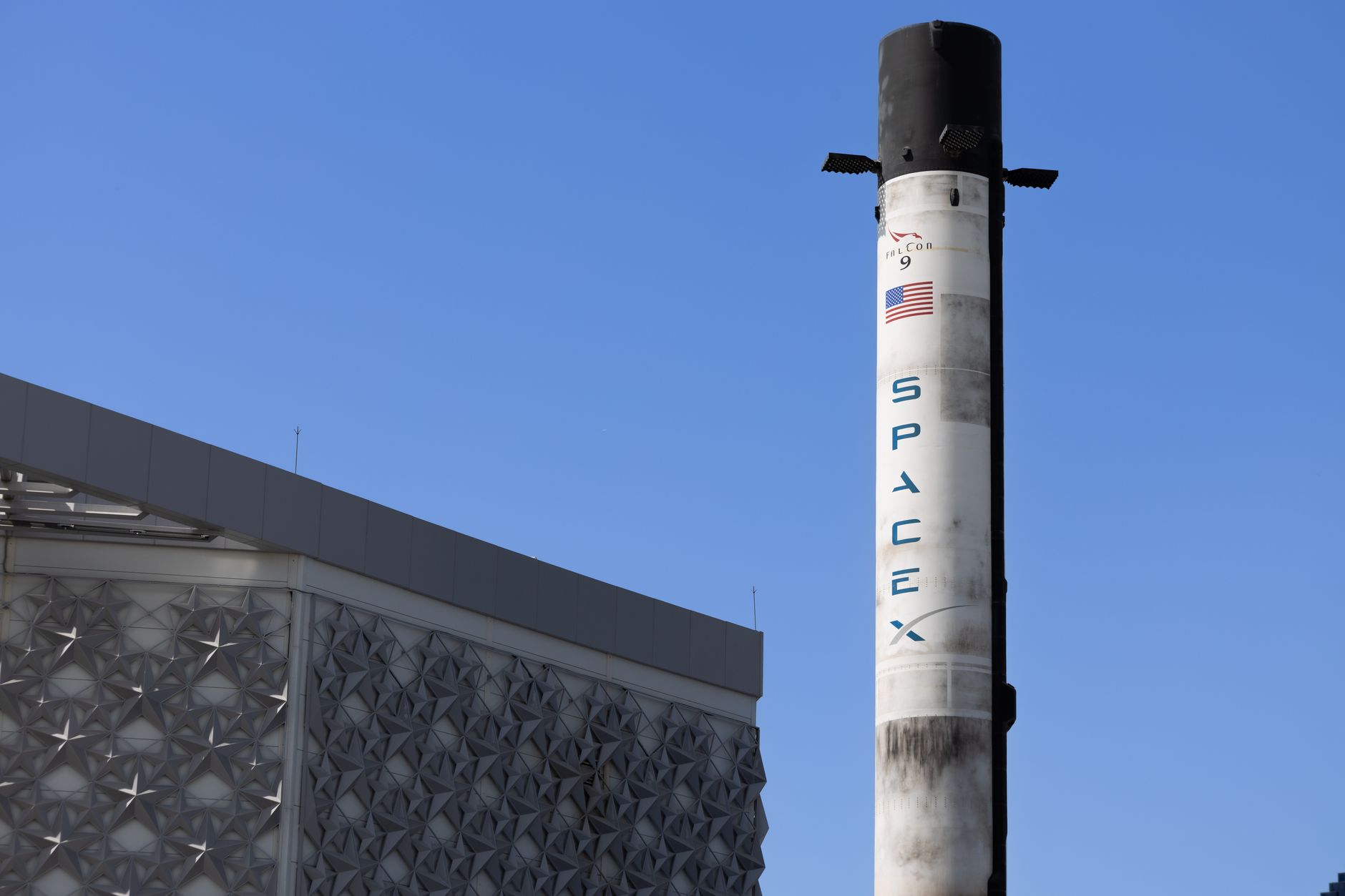
No single company makes the case for this policy more forcefully than SpaceX. In 2024 alone, SpaceX conducted 165 orbital launches of its Falcon 9 rocket, accounting for the vast majority of the 176 orbital attempts logged from US territory. On top of that, the company ran five suborbital test flights of Starship, its significantly larger next-generation vehicle still working through its development program.
That concentration matters. When one company is responsible for roughly 94 percent of a country’s orbital launch activity, its infrastructure bottlenecks become national bottlenecks. SpaceX currently operates from Cape Canaveral in Florida and its Starbase facility in South Texas, but a 1,000-launch-per-year target is not something two active launch sites can absorb – not without significant expansion, and not without competitors eventually adding their own flight rates to the total.
The policy addresses this directly by calling for new spaceport development on federal land. Placing launch infrastructure on government-owned territory cuts through certain permitting and land acquisition timelines, though environmental review requirements under existing law remain a persistent variable for any site development. The administration has not named specific federal land parcels yet, leaving that detail as the first major test of how quickly the directive moves from signed document to ground broken.
Getting from 176 launches to 1,000 in five years is not just a throughput problem – it is a simultaneous engineering, regulatory, workforce, and real estate problem. Range safety systems, tracking infrastructure, and air traffic coordination all scale with launch frequency, and each element has its own budget cycle and procurement lead time. The policy sets the destination without resolving those dependencies, which is typical for a presidential memorandum; the implementing agencies will carry the harder work.
What “Assured Access” Actually Means Now
The phrase “assured access to space” appears in both the 2013 Obama policy and Trump’s 2025 replacement. In 2013, it was shorthand for maintaining the ability to launch national security payloads independent of any single contractor. Now it carries a broader commercial dimension – the US government has a direct interest in not letting spaceport capacity become the choke point that slows an industry generating export revenue, defense contracts, and satellite infrastructure that underpins everything from GPS to broadband.
“By 2030, our space transportation ranges must grow to support more than 1,000 launches and reentries every year,” the policy states. “The policies set forth in this memorandum will secure America’s continued superiority in space.” That language does double work – it frames the spaceport expansion as economic strategy and national security posture simultaneously, which is how the administration justifies putting federal land into play rather than leaving site selection entirely to market forces.
The Hardware Side of the Equation
From a gadgets and infrastructure standpoint, the physical demands of scaling to 1,000 annual launches are substantial. Range safety systems – the ground-based radar, telemetry, and flight termination hardware that monitors every vehicle from liftoff to downrange – currently run at load factors that leave limited margin. Adding launches means either upgrading existing range hardware or building parallel systems at new sites, both of which run into long procurement cycles for specialized equipment.
Reentry is the less-discussed half of the policy’s 1,000-launch-and-reentry target. As reusable rockets and reusable capsules become standard, each mission generates both a launch event and a landing or splashdown event that requires its own tracking, safety corridor management, and recovery infrastructure. SpaceX’s Falcon 9 first-stage landings – either at land pads or on drone ships – already add operational complexity that earlier expendable-rocket policies never had to account for.
New spaceport sites on federal land would also need to attract the supply chain that makes high-cadence launches possible: propellant storage and delivery, payload processing facilities, integration hangars, and the logistics networks connecting them. Building a launch pad is the visible part. The industrial footprint surrounding it is what determines whether a site can actually sustain dozens of launches per year rather than a handful.
The 2013 policy that Thursday’s memorandum replaces was written when the US recorded roughly 18 orbital launches annually from domestic soil. The country has already grown that number nearly tenfold without a major federal spaceport policy update. The question the industry is now sitting with: whether a presidential directive aimed at another sixfold jump will move fast enough to matter before the launch backlog writes its own answer.