



Put three powerful leaders in one room, let the cameras in, and the history comparisons arrive on schedule. This week, Donald Trump sat down in China with Vladimir Putin and Xi Jinping, and the word that followed the summit around was Yalta, the 1945 Second World War conference that has served ever since as shorthand for great powers deciding things above everyone else’s heads.
The echo is easy to hear. It is also mostly decoration. The setting, the cast of three, and the aura of a world being arranged by a handful of men all rhyme with 1945, but the thing that made Yalta matter is missing from this week’s version.

What Yalta Actually Was
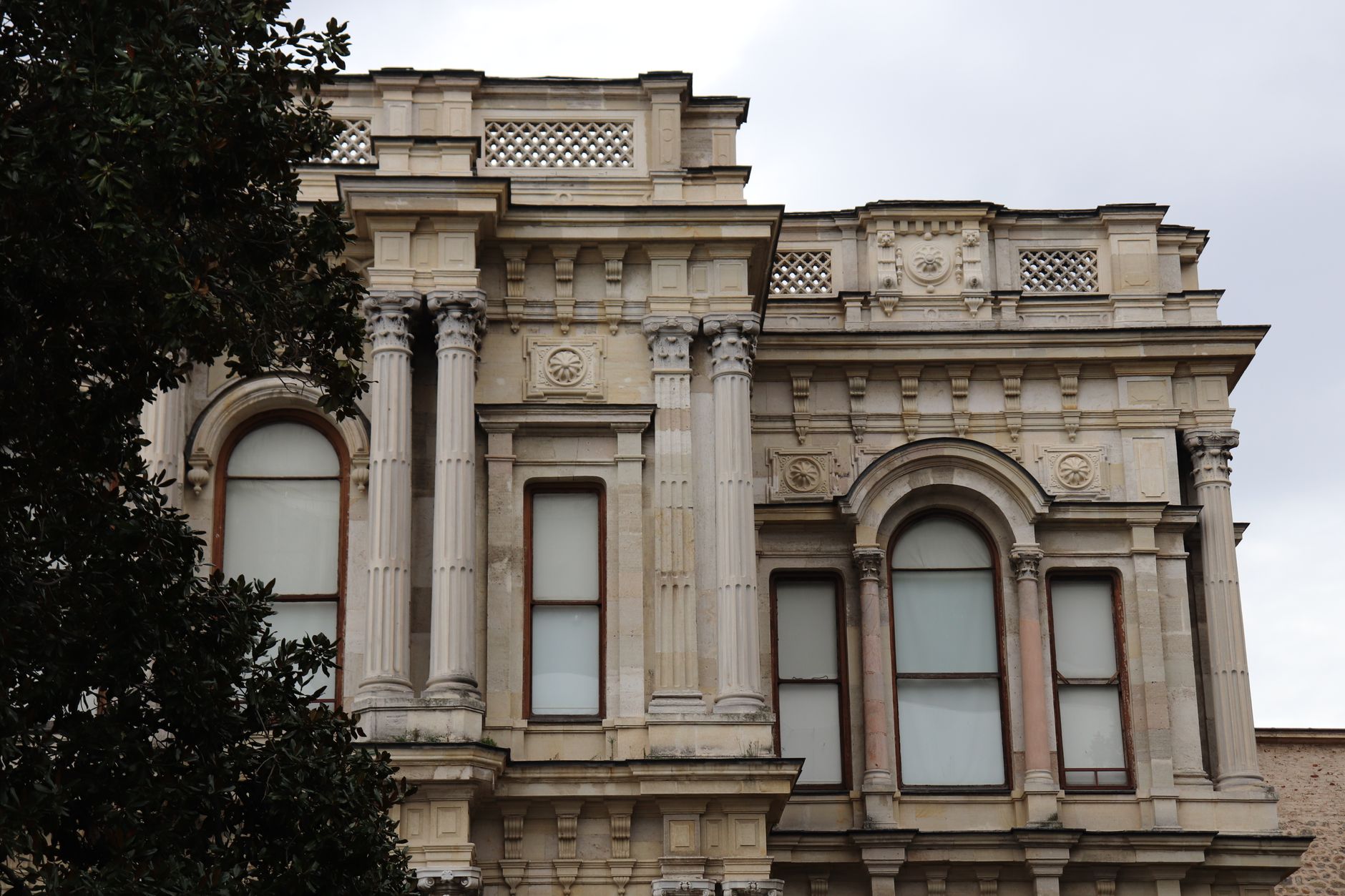
In early February 1945, Franklin Roosevelt, Winston Churchill and Joseph Stalin met at the Livadia Palace, near the Crimean resort town of Yalta. The conference ran for about a week, from February 4 to 11. Germany was not yet beaten, but nobody in the room doubted how the European war would end. The question was what would be standing afterward.
The agenda was concrete and enormous. The three powers agreed to divide a defeated Germany into zones of occupation, with France later given a zone of its own. They argued over Poland’s borders and the shape of its postwar government. They worked out how the voting would function in a new international body, the United Nations, with a founding conference planned for San Francisco that spring. And Stalin committed the Soviet Union to enter the war against Japan within a few months of Germany’s defeat. Few peacetime meetings have produced so many decisions about so many people.
That is where the weight came from. The leaders at Yalta commanded armies that were already in the field, and the lines they drew on maps were being drawn, at the same moment, by soldiers.
The Photograph Outlives the Meeting
What most people remember from Yalta is not a clause but a picture: Churchill, Roosevelt and Stalin seated together, the Big Three as a single composition. It is a durable image because it compresses a complicated week into one frame of shared command. Any later summit with three principals and a bank of photographers is, whether it wants to be or not, compared to it.
Yalta’s afterlife in politics has been less flattering than its photograph. In American arguments, the name became a charge: that a president had given away too much, or that a continent had been bargained over without its consent. To call something “another Yalta” has meant, depending on the speaker, either a grand design or a grand betrayal. This week’s comparison borrows the grandeur while skipping the argument about what was actually decided.

A Summit With the Costume but Not the Script
Start with what the three men in 1945 had in common: a war, an enemy, and a deadline. Roosevelt, Churchill and Stalin were allies who disliked and distrusted one another but needed each other to finish a job. Their meeting had an agenda because events had produced one.
Trump, Putin and Xi have no such shared project. They lead three states with sharply different interests, and no common enemy binds them to a table. A gathering without that pressure can produce handshakes, statements and good television. It is much less likely to produce a settlement that anyone has to live under for decades. That gap is the sense in which the Yalta label is, as the New Yorker’s headline puts it, bogus.
There is also an irony in the name itself. Yalta sits in Crimea, the peninsula Russia annexed from Ukraine in 2014. The 1945 conference carved up a continent in a place that is today itself the subject of a dispute over who gets to decide its fate. A summit in China invoking Yalta invites that unflattering reading, whether or not anyone intends it.
The deeper issue is what the comparison does for the people making it. Calling a meeting historic is a way of declaring it so before the results are in. Yalta earned its reputation through consequences that unfolded over a generation, in occupied zones, redrawn borders and an organization still headquartered in New York. A summit that wants the reputation without the consequences is staging a costume drama, and the costume fits only from a distance.
Roosevelt died on April 12, 1945, a little over two months after he left Crimea, and the arguments over what he had agreed to began almost at once. When this week’s meeting is remembered, what exactly will there be to argue about?