





A Church Document Enters the Tech Conversation
Pope Leo XIV has released a new encyclical titled Magnifica Humanitas, and its subject is not theology in the traditional sense – it is artificial intelligence, and who gets to decide what values shape it. The document lands at a moment when governments, corporations, and researchers are all fighting over the same question without much agreement on where to start.
The encyclical makes a direct argument: moral concerns should sit at the center of any conversation about AI – not profit, not competitive advantage, not efficiency.
That the Catholic Church is issuing formal doctrinal writing on machine intelligence is, on its face, an unusual development. But Magnifica Humanitas is not a peripheral curiosity. It is a structured, institutional position from an organization with over a billion adherents worldwide, entering a debate that has so far been dominated almost entirely by technologists and investors.
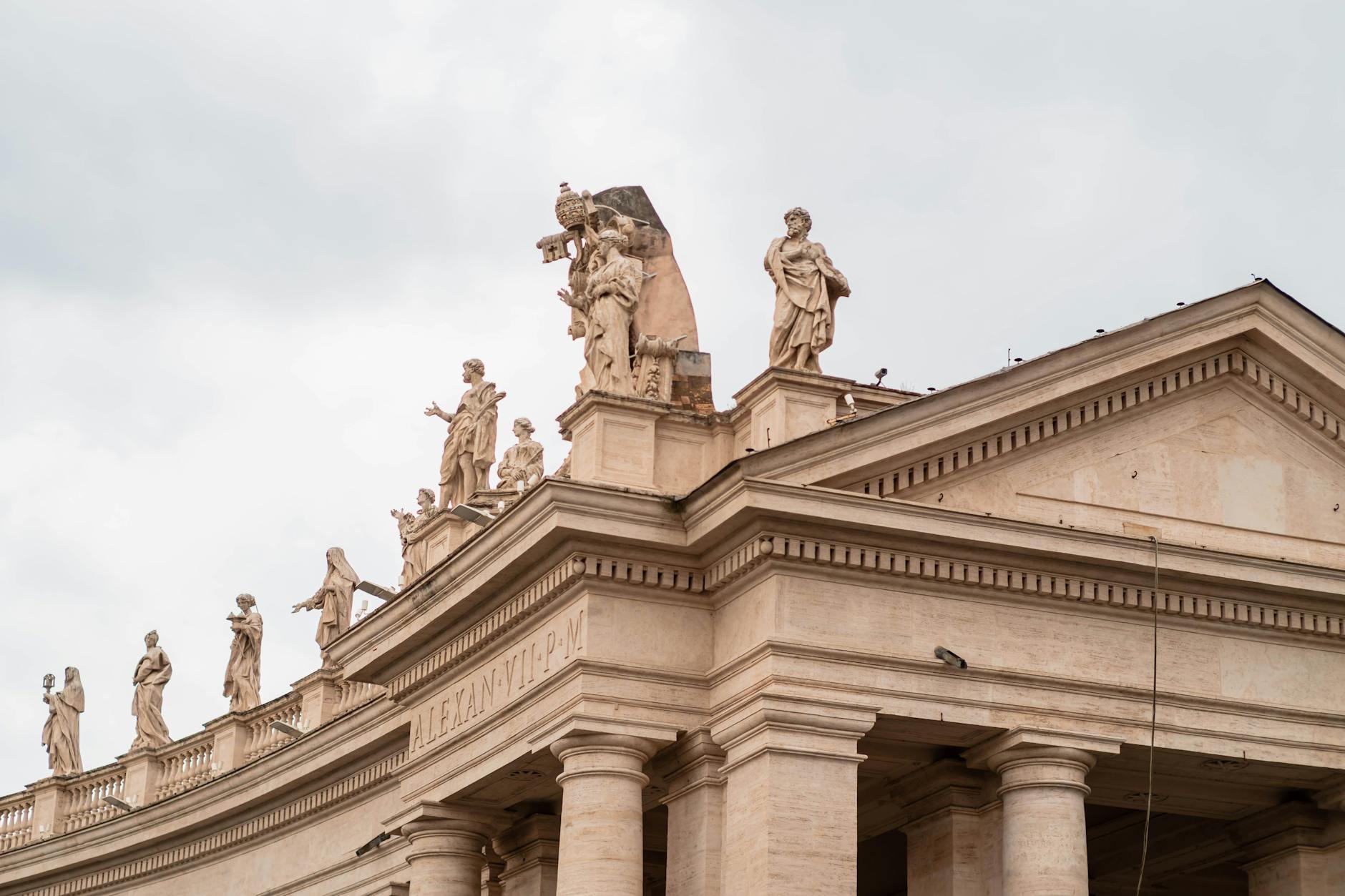
What the Document Actually Argues
The encyclical’s central claim is that AI development has been framed around the wrong priorities. The dominant logic in Silicon Valley – and in the policy corridors of Washington and Brussels – treats AI as an economic and strategic resource first, with ethical guardrails added as a secondary layer. Magnifica Humanitas inverts that order entirely. Moral consideration, in Leo XIV’s framing, is not a constraint applied to innovation after the fact. It is the starting point.
This is a philosophical position with real structural implications. If you accept that efficiency and profit are subordinate to moral reasoning in AI design, then entire product categories, entire business models, and entire competitive strategies come into question. The encyclical does not shy away from that tension – it is, in fact, the tension the document is designed to produce.
Leo XIV’s language in the document is described as presenting a remarkable case for this reordering. That phrasing – remarkable – is not accidental. The word signals that the argument is considered unusual, even within Vatican discourse, and that the Church is making a deliberate move to position itself as a moral authority in a space where it has no obvious technical standing but considerable institutional weight.

Why This Belongs in a Culture Conversation
Most AI coverage lives in the business press or the tech press. It concerns itself with valuations, model benchmarks, regulatory hearings, and the occasional labor displacement story. What gets less attention is the cultural architecture underneath all of that – the belief systems, the ethical assumptions, and the value hierarchies that determine how AI actually gets built and deployed. Magnifica Humanitas is operating at that deeper level.
There is a long history of the Church inserting itself into technological and scientific debates – sometimes badly, sometimes with more lasting influence than expected. The encyclical form itself carries historical weight. These documents are not op-eds or position papers. They are formal doctrinal instruments, addressed to the global Catholic community and, in this case, clearly aimed beyond it. Leo XIV is writing for a secular audience as much as a religious one, which is itself a statement about where the Church thinks this conversation needs to go.
The argument in Magnifica Humanitas also connects to a broader cultural unease about who AI is actually for. The document names the problem explicitly: when profit and competitive advantage drive development, the people most affected by AI systems – workers, marginalized communities, people in the Global South who will live inside infrastructure they had no hand in designing – are treated as variables rather than as the point. That framing will resonate well outside Catholic parishes.
The Limits of a Moral Argument
An encyclical cannot write legislation. It cannot change a company’s incentive structure or rewrite a model’s training data. Leo XIV is not under any illusion that Magnifica Humanitas will halt a product launch at Google or shift OpenAI’s board agenda. The document’s power, if it has any, is persuasive rather than coercive – it works by changing the terms of the conversation, by insisting that certain questions be asked before certain decisions are made.

Whether that kind of cultural pressure matters in a space driven by capital and speed is an open question. What the encyclical does, regardless of its practical reach, is establish a record – a formal, public, institutional statement that the Church looked at AI development as it was actually proceeding and found the moral framework governing it inadequate. That record exists now. It will be cited. It will be argued over.
And the question it leaves hanging is not a soft one: if efficiency and profit are genuinely the wrong centers for this technology, then what exactly has been built so far, and for whom?