





The Voice Revolution
Jim Dale’s voice has sold more books than most bestselling authors ever will. The British actor, who narrated the entire Harry Potter series for American audiences, commands fees that rival Hollywood stars and has built a following so devoted that fans seek out books specifically because he’s reading them. Dale isn’t alone in this transformation – audiobook narrators are stepping out from behind the microphone to become the next generation of literary celebrities.
The audiobook industry has exploded from a $2.5 billion market in 2017 to over $5 billion today, according to the Audio Publishers Association. This growth has created a new tier of performer – part actor, part storyteller, part brand unto themselves. Publishers now market books around narrator star power, and listeners increasingly choose their next read based on who’s behind the voice.
The Star System Takes Hold
Scott Brick, who has narrated over 800 audiobooks including works by Stephen King and Michael Crichton, regularly appears at literary festivals and book conventions. His Instagram account draws tens of thousands of followers who comment on everything from his reading selections to his home studio setup. “Twenty years ago, no one knew who I was,” Brick says. “Now people recognize my voice in elevators.”
The celebrity narrator phenomenon extends beyond traditional voice actors. When celebrities like Reese Witherspoon, Matthew McConaughey, and Trevor Noah read their own memoirs, they often outsell the print versions by significant margins. Publishers have taken notice, actively recruiting recognizable voices for major releases.
Kate Reading and Michael Kramer, the husband-and-wife team behind Brandon Sanderson’s fantasy epics, have developed such a devoted following that fans petition publishers to assign them to new series. Their names appear prominently on book covers, and they command premium fees that reflect their drawing power. Reading reports that listeners have driven hundreds of miles to attend their rare public appearances.
This star power translates to real business impact. Publishers Weekly reports that audiobooks featuring celebrity narrators or established voice talent see average sales increases of 25-40% compared to those with unknown readers. Audible, Amazon’s audiobook platform, now creates “narrator spotlights” and recommendation lists based purely on voice talent.
The Craft Behind the Fame
Professional audiobook narration requires skills that go far beyond simple reading. Top narrators spend weeks preparing for each project, creating distinct voices for dozens of characters, mastering pronunciation of foreign words and technical terms, and maintaining consistent performance across recordings that can span 20-30 hours.
January LaVoy, who has narrated over 200 titles including works by Gillian Flynn and Paula Hawkins, describes the preparation process as similar to method acting. “I create full backstories for every character, even minor ones,” she explains. “I need to know their education level, where they grew up, what they’re afraid of. All of that comes through in the voice.”

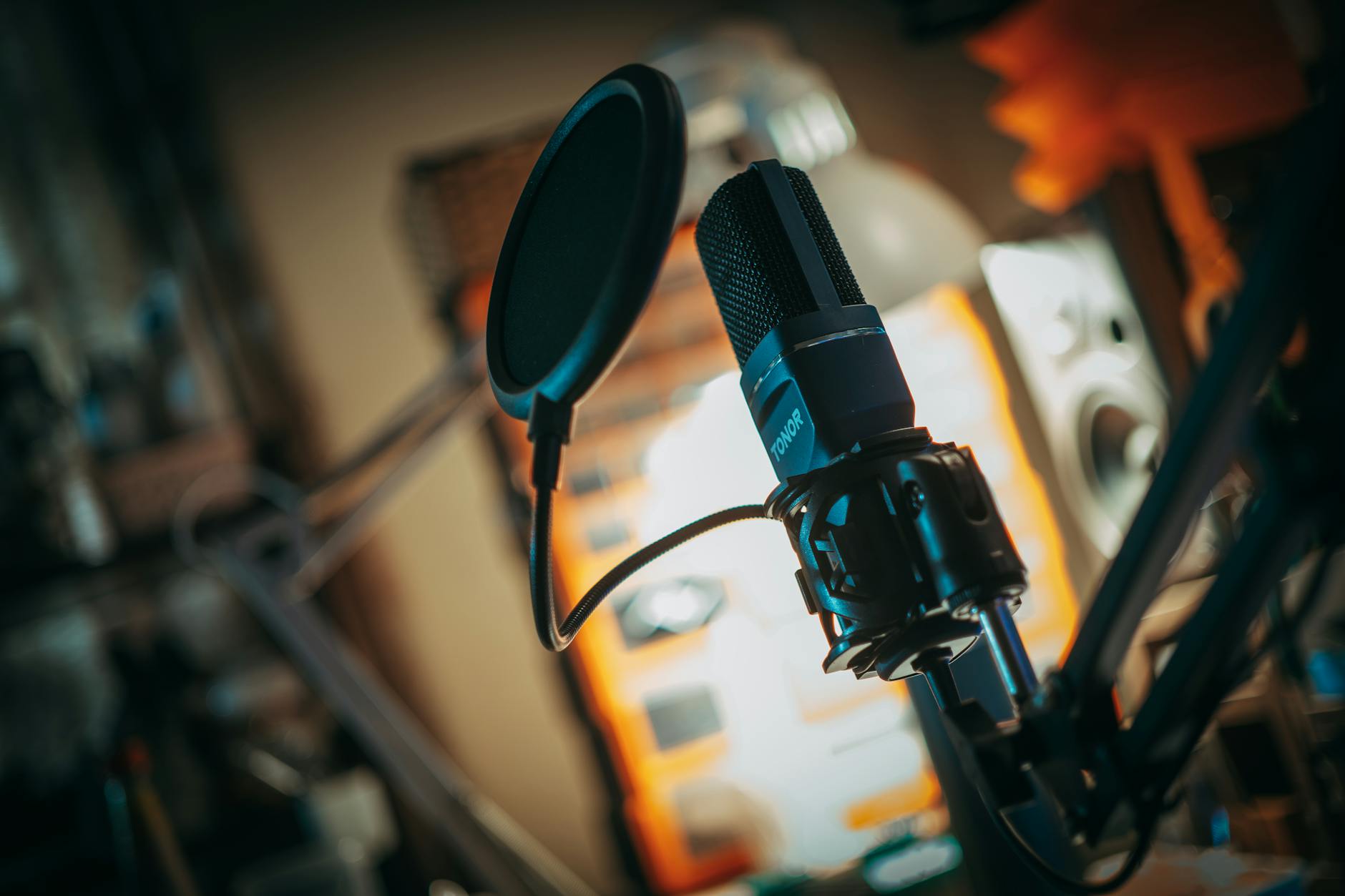
The technical demands are equally rigorous. Narrators work in soundproof booths for 6-8 hours daily, maintaining energy and consistency while managing everything from mouth sounds to breathing patterns. Many invest in home studios costing tens of thousands of dollars to meet industry-standard audio quality requirements.
Ray Porter, known for his work on Andy Weir’s science fiction novels, has built a reputation for tackling technically complex material. His performance of “The Martian” required mastering scientific terminology while maintaining the book’s humor and tension. Porter’s ability to make complex concepts accessible through vocal performance has made him a sought-after narrator for technical and scientific works.
The relationship between narrator and author has also evolved. Many authors now have input into narrator selection, and some develop ongoing partnerships with specific voice talent. Louise Penny, author of the Inspector Gamache mystery series, works exclusively with narrator Ralph Cosham, whose interpretation of the French-Canadian detective has become inseparable from the character in fans’ minds.
Digital Platforms Fuel the Fame
Social media has amplified narrator visibility in unprecedented ways. TikTok features countless videos of users sharing audiobook recommendations based on narrator performance, often including clips of particularly memorable scenes. The hashtag #audiobooknarrator has garnered millions of views, with users creating fan videos celebrating their favorite voices.
Platforms like Audible actively promote narrator brands through author interviews, behind-the-scenes content, and narrator recommendation algorithms. The company’s annual awards ceremony, once a industry-only affair, now streams live and draws thousands of viewers who follow their favorite performers like movie stars.
This digital fame has created new revenue streams for narrators. Many now offer masterclasses, sell merchandise, and command higher fees for commercial voice work based on their audiobook celebrity. Some have leveraged their following into podcasting deals, with several launching successful shows that blend book recommendations with personal storytelling.
The rise of narrator celebrity status mirrors broader shifts in digital media consumption. Just as literary magazines are switching to podcast-only formats, the voice-first approach to content is reshaping how audiences connect with stories and storytellers.
The Future of Voice-First Celebrity
Industry analysts predict narrator celebrity will only intensify as audiobook consumption continues growing. Younger audiences, particularly Gen Z listeners who grew up with podcasts and voice assistants, show even stronger attachments to specific narrators than previous generations.
Publishers are responding by investing more heavily in narrator development programs and exclusive contracts with top talent. Some major houses now maintain in-house recording studios and narrator rosters, treating voice talent as valuable intellectual property similar to bestselling authors.
The technology driving this growth shows no signs of slowing. Advanced recording equipment has made home studio production more accessible, while AI-assisted editing tools allow narrators to maintain higher quality output with faster turnaround times. However, the human element remains irreplaceable – the emotional connection between narrator and listener that transforms reading from a solitary activity into an intimate performance.
As the audiobook market expands globally and new platforms emerge, narrator celebrity status will likely follow the same trajectory as other entertainment industries. The voices behind our favorite stories are no longer invisible craftspeople but recognized artists whose interpretations shape how millions experience literature. In a world increasingly driven by personal connection and authentic storytelling, audiobook narrators have found their moment to shine.
Frequently Asked Questions
Why are audiobook narrators becoming famous?
The audiobook industry has grown to $5 billion, creating star narrators whose voices sell books and attract devoted fan followings on social media.
How much do celebrity audiobook narrators earn?
Top narrators command premium fees similar to other entertainment celebrities, with established voices significantly boosting audiobook sales.