




The Musician Who Dresses Like He Skates
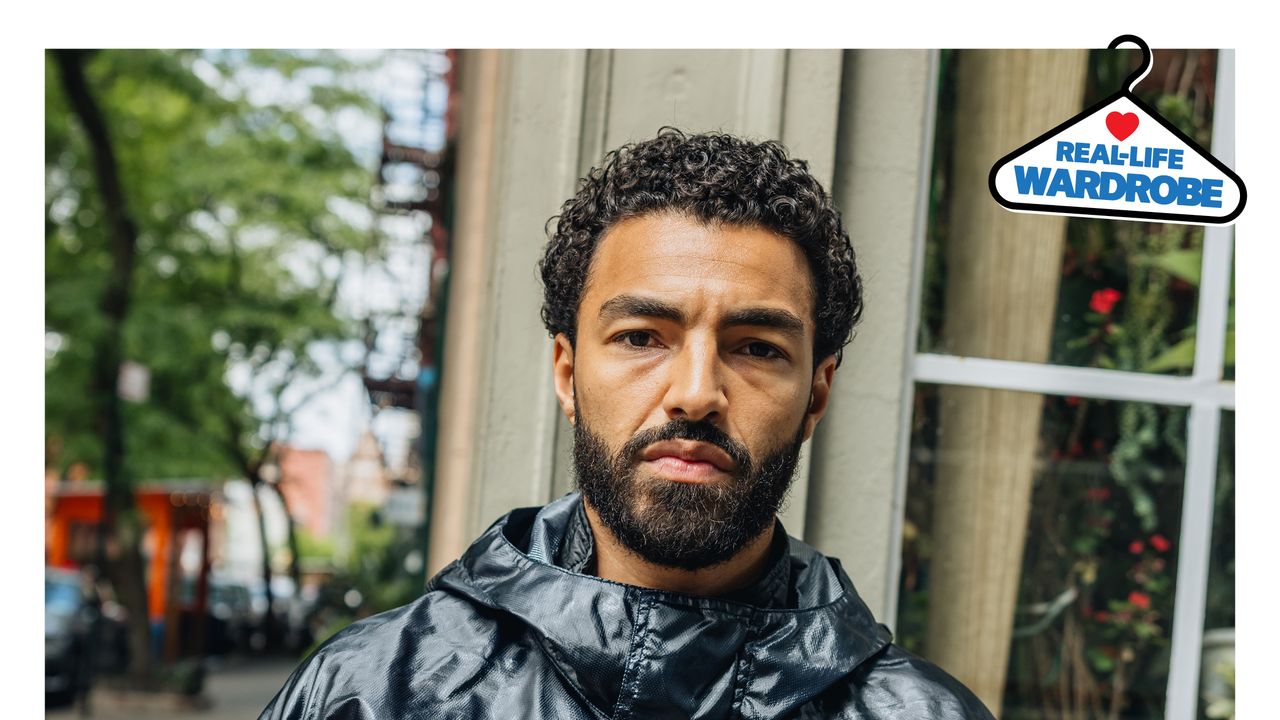
Sage Elsesser – the musician and skater who records under the name Navy Blue – is preparing to release Sir Render, his seventh album. That output alone marks a serious run for an artist who moves between skateboarding culture and music without treating either as a side project. But in a conversation with GQ columnist Christopher Fenimore, it was his approach to clothing, watches, and what he calls the relationship between style and vulnerability that cut through most sharply.
Elsesser’s taste didn’t form in a vacuum or arrive fully assembled from some editorial mood board. It has a specific origin point: Bruce Lee. That first fashion icon – lean, deliberate, visually controlled – says something about how Elsesser thinks about dress. Not as decoration, but as stance.
Why Skateboarding Made Style Non-Negotiable
There’s a line Elsesser lands in the GQ interview that functions almost as a thesis: “style is everything, especially in skateboarding.” That’s not a throwaway quote. Skateboarding has always operated as a visual culture before it became a competitive sport or a marketing category. What you wore on a board – the fit of your jeans, the way your shirt moved, whether your shoes looked right – was as legible to other skaters as your actual tricks. You were being read constantly, and skaters knew it.
Elsesser grew up inside that grammar. The aesthetic pressure of skateboarding – where looking right and moving right are nearly inseparable – feeds directly into how he approaches personal style off the board. It’s not that he’s performing anything. It’s that he internalized early on that how you present yourself is a form of communication, one that doesn’t require words and doesn’t offer you a second draft.
Vintage Watches and the Patience Behind Collecting
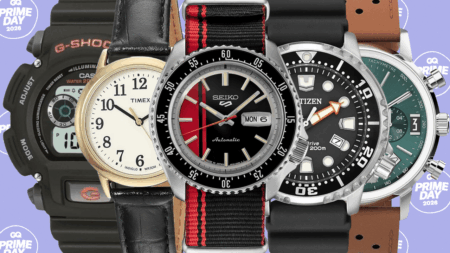
Among the specific subjects Elsesser and Fenimore worked through, vintage watches occupy real estate in the conversation. That’s not a surprise – watch collecting has become one of the cleaner expressions of taste for a generation of artists and athletes who grew up watching their older counterparts stack jewelry. The move toward vintage specifically signals a different priority: age, scarcity, the history built into a particular piece rather than the price tag of a new reference.
Vintage watch collecting rewards patience in a way that buying new doesn’t. You’re hunting for condition, provenance, the right dial variant. It’s a pursuit that suits someone like Elsesser, whose work in music has similarly never chased a quick commercial return – seven albums deep on his own terms.
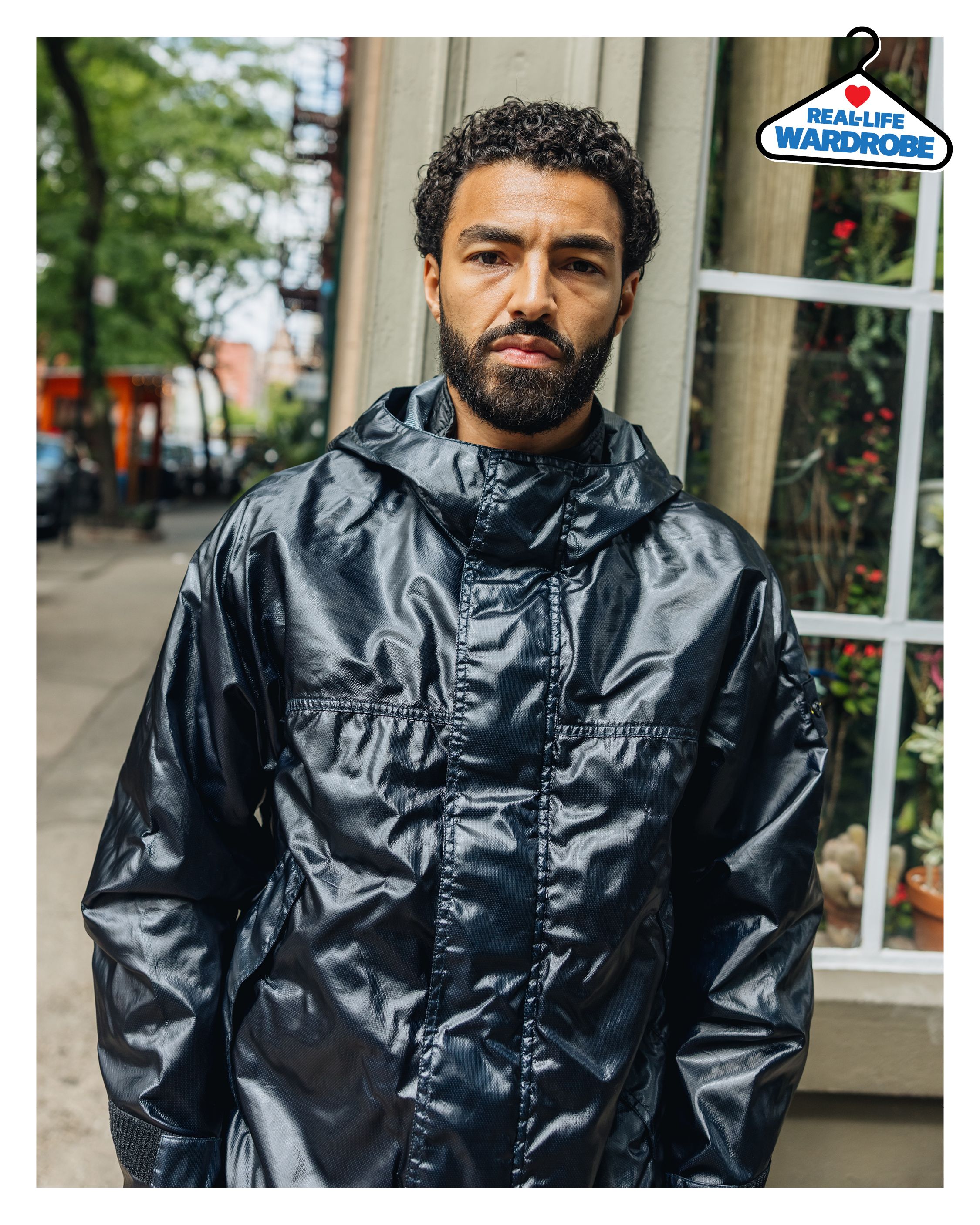
The watch conversation also connects to a broader current in menswear where the most considered dressers are moving away from logo-forward luxury and toward things that require some knowledge to recognize. A well-worn vintage piece carries information that a brand-new watch with a famous name can’t manufacture. Elsesser’s interest in that space aligns with how he seems to think about clothing generally – earned, specific, not assembled from whatever the season is pushing.
For anyone tracking how vintage items are increasingly commanding serious price points across categories – from band tees to timepieces – Elsesser represents a consumer who got there by instinct rather than trend cycle. His investment in older objects predates the market catching up to that sensibility.
Vulnerability as a Style Position
The more unusual thread in the conversation is vulnerability. Elsesser brought it up in connection with both his music and his approach to how he dresses, and Fenimore gave it space. That pairing – style and emotional exposure sitting next to each other – isn’t how menswear coverage usually runs. The standard frame is confidence, self-assurance, the man who has figured it out. Elsesser’s framing cuts the other way.
What he seems to be describing is dress as something that doesn’t need to be armored. The willingness to wear something that reveals taste rather than projecting status – to be legible rather than intimidating – is its own kind of statement. Bruce Lee as a first fashion icon starts to make more sense in this light. Lee’s physicality was expressive, not just powerful. There was precision and openness in how he moved. Elsesser appears to be translating that into fabric and time.
Seven Albums and a Wardrobe That Follows the Same Logic
Sir Render, the incoming seventh album, carries a title that plays on “surrender” – which tracks with everything Elsesser communicated in the GQ conversation. There’s an intentional letting-go baked into the word, a willingness to stop fighting the process and let the work be what it is. Whether that philosophy drives the music the same way it drives the clothing choices is the interesting question his audience gets to sit with.

What’s consistent across Navy Blue’s catalog and his wardrobe is the absence of noise. Neither space seems cluttered with things demanding attention. The music doesn’t chase trends. The style, rooted in skateboarding’s visual discipline and sharpened by a first fashion icon who moved like he had something to say, follows the same economy. Elsesser wears vintage watches. He cites Bruce Lee. He talks about vulnerability with a GQ columnist while releasing his seventh record.
The album title says surrender. His wardrobe, built over years of skateboard culture and careful collecting, doesn’t look like someone who gave up – it looks like someone who stopped needing to prove anything. Whether Sir Render closes that loop or opens another one is the question sitting in the gap between the title and the music itself.