




The sound of Cherry MX Blue switches echoing through design studios has become the new soundtrack of creative work. Walk into any modern advertising agency, video production house, or graphic design firm, and you’ll hear it – that distinctive click-clack that signals serious professionals at work. Mechanical keyboards, once relegated to programming caves and gaming dens, have stormed into creative workspaces with the force of a productivity revolution.
This shift represents more than just nostalgia for tactile feedback. Creative professionals are discovering that these robust keyboards offer tangible benefits that membrane and chiclet keyboards simply cannot match. From video editors spending 12-hour days in post-production to copywriters crafting campaigns under tight deadlines, the mechanical keyboard has become an essential tool for those who type for a living.
The Tactile Advantage That Changes Everything
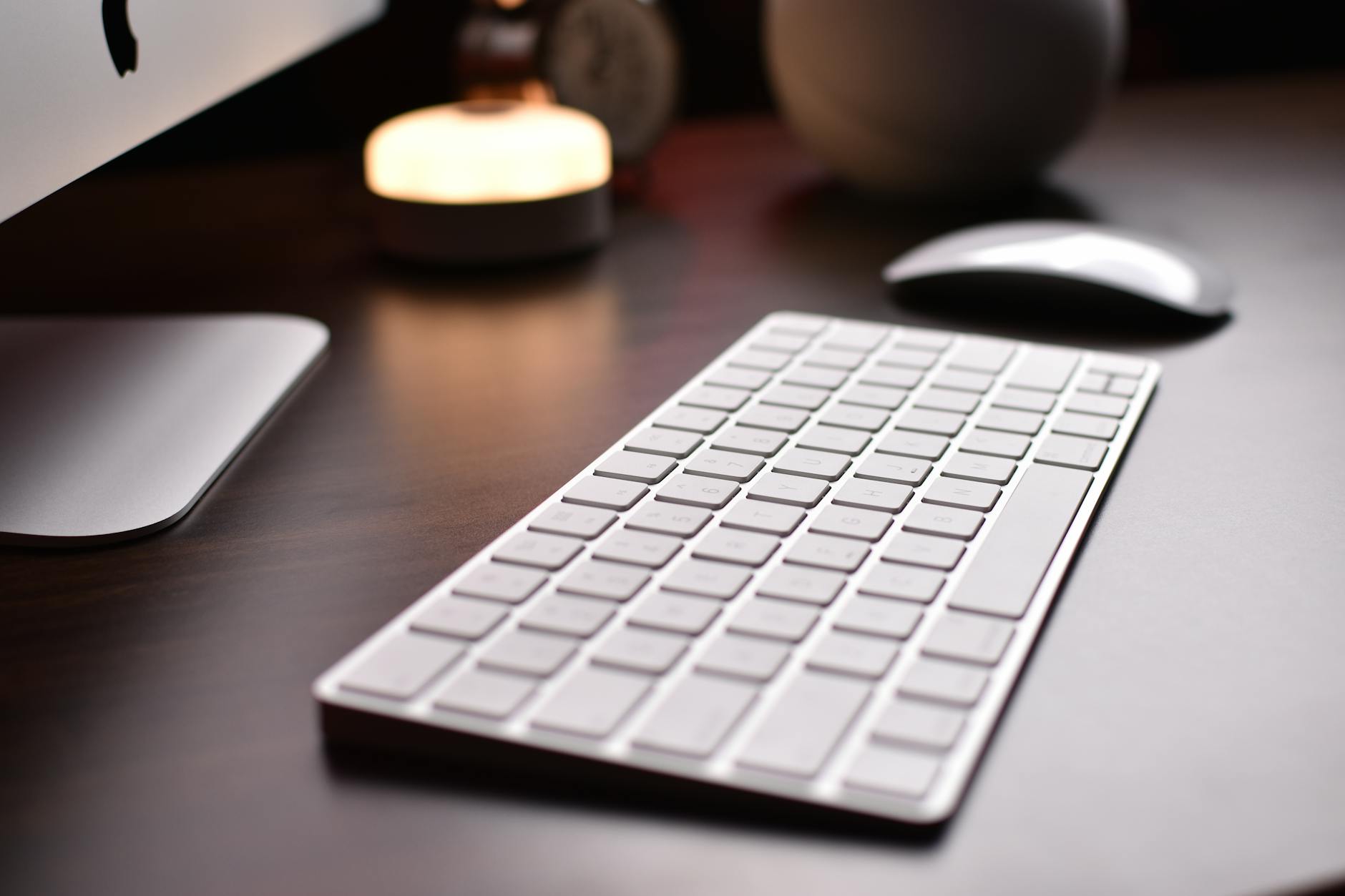
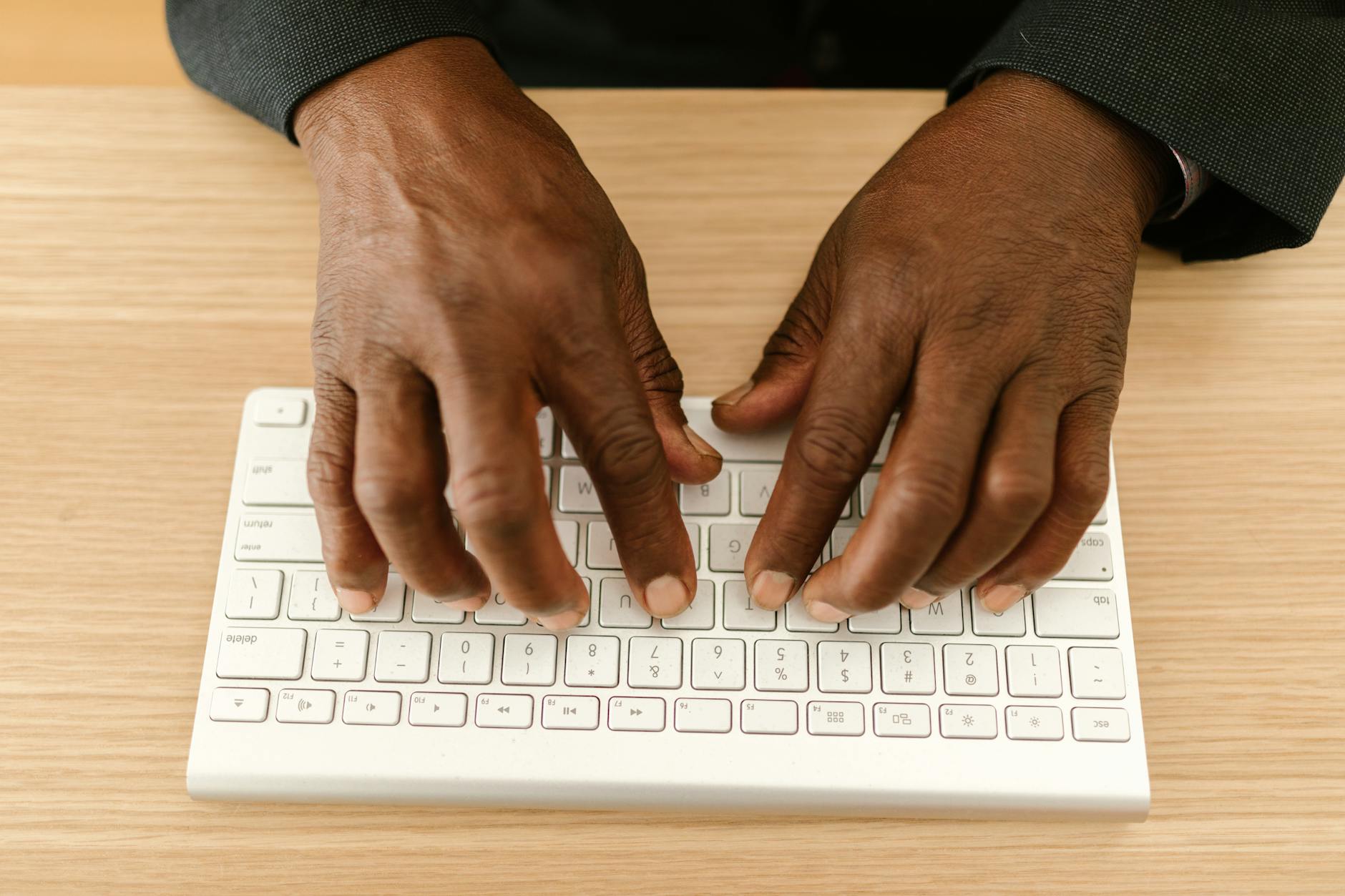
The fundamental difference lies in the switch mechanism beneath each key. While traditional keyboards use rubber domes or scissor switches that compress and bottom out, mechanical keyboards employ individual switches with precise actuation points. This means users can feel exactly when a keystroke registers, reducing the need to fully depress keys and minimizing finger fatigue during extended typing sessions.
Keychron, Das Keyboard, and Ducky have seen dramatic sales increases to creative agencies over the past two years. The Cherry MX Brown switch has emerged as particularly popular among designers who need quiet operation for open office environments while maintaining tactile feedback. These switches require 45 grams of force to actuate and provide a gentle bump without the audible click of their Blue counterparts.
Video editors working with software like DaVinci Resolve and Adobe Premiere Pro report significantly improved workflow efficiency. The precise key registration allows for faster execution of keyboard shortcuts – crucial when scrubbing through hours of footage or applying complex effects. Colorist John Martinez at a Los Angeles post-production facility switched his entire team to mechanical keyboards last year, noting a measurable decrease in repetitive strain injuries and increased daily output.
Customization Meets Professional Demands
The modularity of mechanical keyboards has proven particularly appealing to creative professionals who customize every aspect of their workspace. Hot-swappable switches allow users to change key feel without soldering, while programmable firmware enables complex macro creation for software-specific workflows.
Graphic designers frequently program custom key layouts for Adobe Creative Suite applications. A senior designer at a New York branding agency programmed her Planck keyboard to include one-touch access to frequently used Photoshop blend modes and Illustrator tools. “Instead of hunting through menus or remembering dozens of key combinations, I have everything mapped to logical positions,” she explains.
The availability of different key cap profiles and materials has also attracted creative professionals who spend significant time at their keyboards. PBT plastic keycaps resist shine and wear better than standard ABS plastic, maintaining their texture even after years of heavy use. Custom artisan keycaps have become conversation starters in creative offices, with some designers commissioning unique pieces that reflect their aesthetic sensibilities.
Sound dampening has become a crucial consideration as these keyboards enter shared workspaces. Foam padding, plate materials, and case construction now factor into purchasing decisions. The Leopold FC980M and Varmilo keyboards have gained popularity specifically for their quieter operation while maintaining mechanical feel.
The Economics of Professional Typing
While mechanical keyboards carry higher upfront costs than their membrane counterparts, creative professionals are viewing them as long-term investments. A quality mechanical keyboard can last decades with proper maintenance, while typical office keyboards require replacement every few years.
The switch replacement capability has proven particularly valuable in professional environments. When a switch begins to fail – often after millions of keystrokes – users can replace individual switches rather than entire keyboards. This approach aligns with the sustainability consciousness growing in creative industries.
Some creative agencies have begun providing mechanical keyboard allowances as employee benefits, recognizing their impact on productivity and job satisfaction. A Portland design studio reports reduced sick days related to repetitive stress injuries since transitioning their entire staff to mechanical keyboards with proper ergonomic positioning.
The rise of split mechanical keyboards like the Ergodox EZ and Kinesis Advantage360 addresses specific ergonomic concerns for professionals who type extensively. These keyboards allow natural shoulder positioning and can be angled to reduce wrist strain, addressing common issues faced by copywriters, content creators, and other text-heavy professionals.
Integration with Modern Workflows
Mechanical keyboards have evolved beyond simple typing tools to become integrated components of professional workflows. USB-C connectivity, wireless options, and multi-device switching accommodate the hybrid work arrangements common in creative fields. The Logitech MX Mechanical allows seamless switching between up to three devices, enabling designers to work across desktop computers, laptops, and tablets without cable management complexity.
The trend parallels broader moves toward personalized professional tools. Just as professionals invest in quality monitors, ergonomic chairs, and calibrated displays, the keyboard has emerged as another crucial interface deserving careful consideration. This shift reflects a growing understanding that the tools we use daily significantly impact both output quality and personal wellbeing.
Creative professionals are also driving innovation in mechanical keyboard features. Rotary encoders for volume control and timeline scrubbing, OLED displays for dynamic key labeling, and pressure-sensitive switches for variable input are emerging features targeting professional workflows.
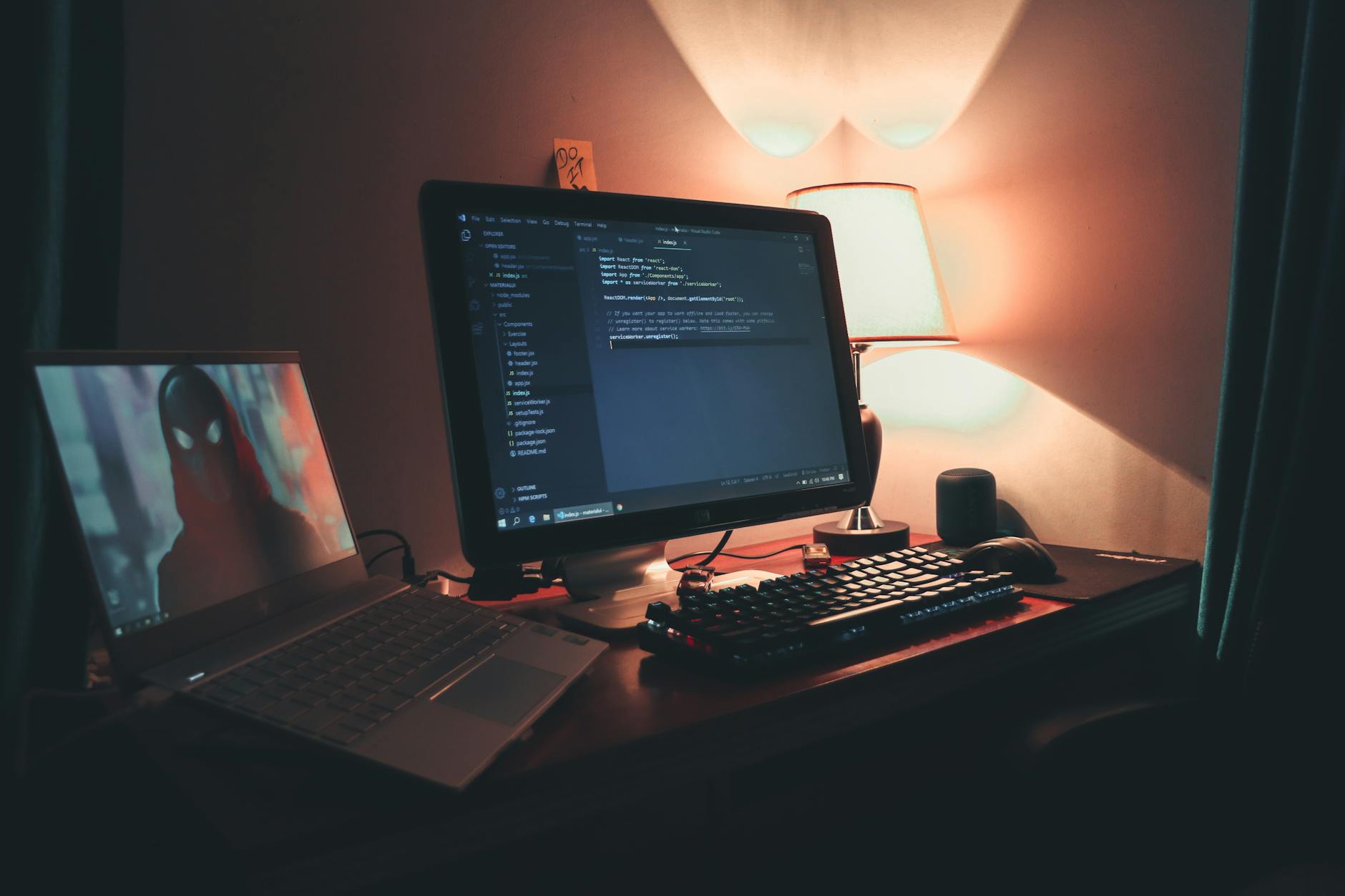
The mechanical keyboard renaissance in creative workspaces reflects a broader return to tactile, customizable tools in our increasingly digital world. As remote and hybrid work arrangements become permanent fixtures, professionals are investing more thoughtfully in their home office setups. The keyboard, as one of our primary interfaces with digital creativity tools, has rightfully earned recognition as more than just an input device – it’s become an instrument of creative expression.
This trend shows no signs of slowing. Major keyboard manufacturers are developing new switch types specifically for creative applications, while smaller boutique companies continue pushing boundaries in customization and aesthetics. As creative work becomes increasingly keyboard-dependent – from video editing to 3D modeling to content creation – the mechanical keyboard’s position as an essential professional tool appears secure. The question isn’t whether this trend will continue, but how far the customization and specialization will evolve to meet the specific needs of different creative disciplines.
Frequently Asked Questions
Why do creative professionals prefer mechanical keyboards over regular keyboards?
They offer better tactile feedback, customization options, durability, and reduced finger fatigue during extended typing sessions.
Are mechanical keyboards too loud for office environments?
Modern mechanical keyboards offer quiet switch options like Cherry MX Browns that provide tactile feedback without loud clicking sounds.