





The City That Refuses to Slow Down
Barcelona operates on its own clock – lunch at 2pm, dinner at 10, and somehow everything in between still gets done. Two days in the Catalonian capital is not enough, but it is enough to understand why people keep coming back.
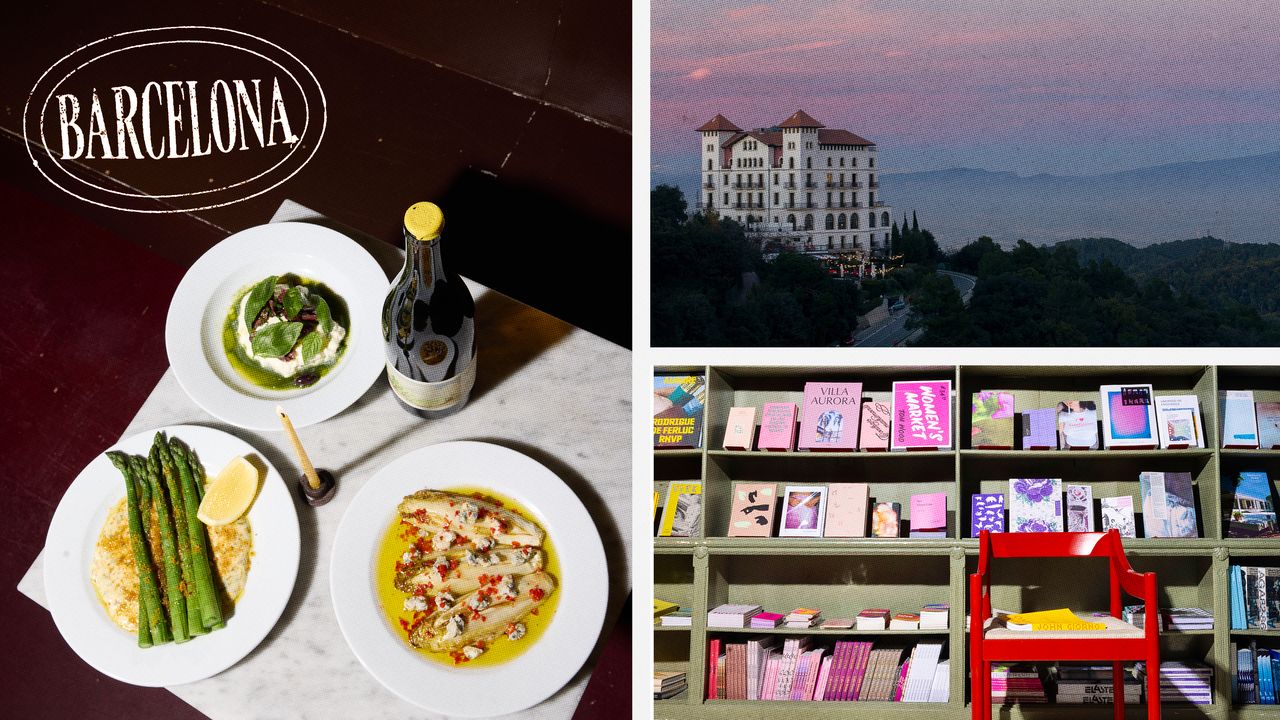
How to Eat Your Way Through Barcelona
The food culture here is not a backdrop to the city – it is the city. Catalonia has its own culinary identity, distinct from the rest of Spain, and Barcelona wears that distinction loudly. The ingredients are Mediterrranean, the techniques are obsessive, and the hours are non-negotiable. You eat when Barcelona tells you to eat.
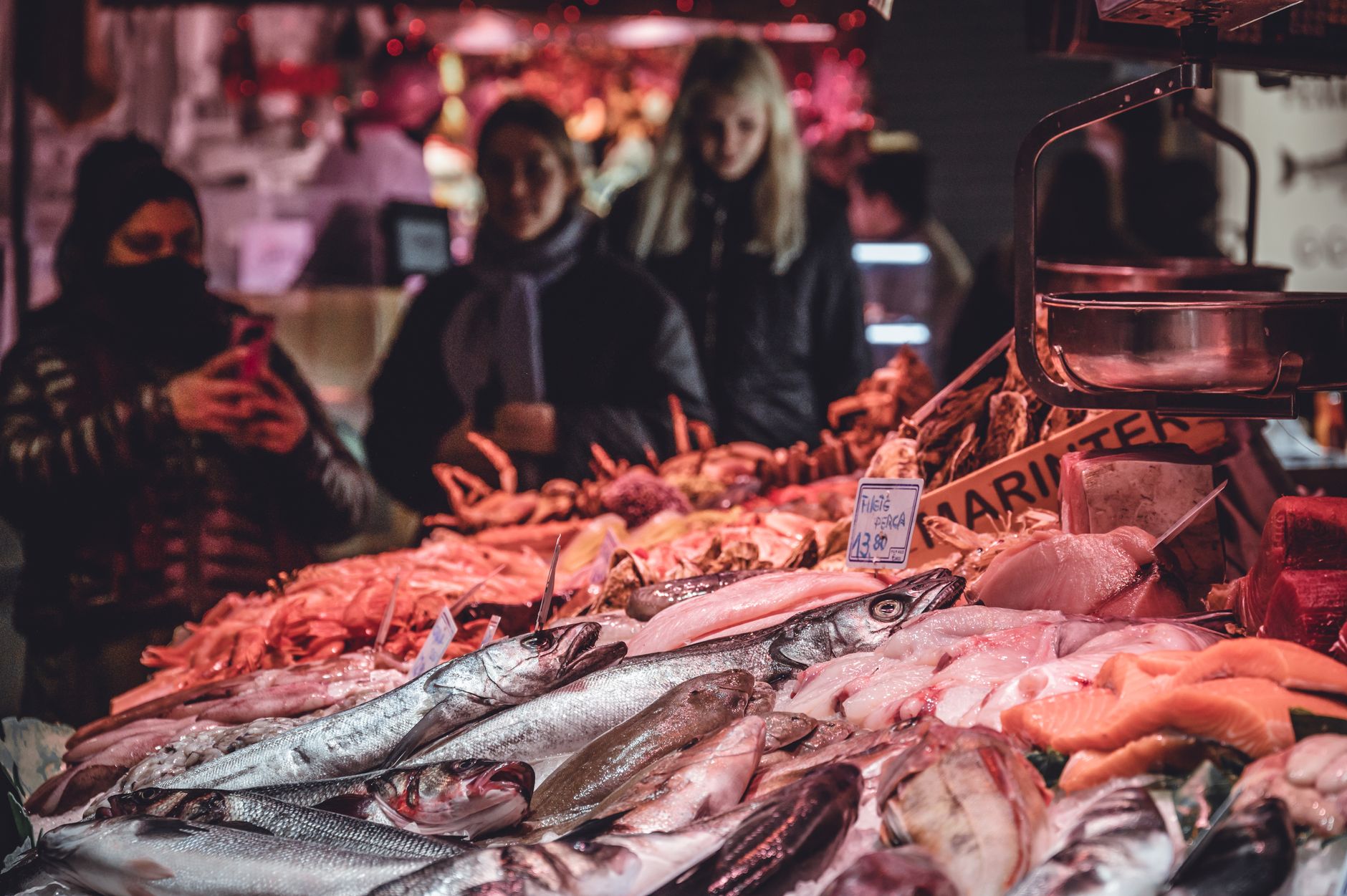
Markets matter more here than almost anywhere else in Europe. La Boqueria on Las Ramblas is the obvious one – too obvious, really, and half-eaten by tourism – but it still delivers if you push past the front stalls selling overpriced fruit cups and find the serious vendors tucked toward the back. The locals mostly shop elsewhere now. Mercat de Santa Caterina in the Born neighborhood moves at a different pace, its mosaic-tiled roof visible from blocks away, its stalls less performative and more functional.
Lunch in Barcelona is not a meal you rush. The menú del día – a fixed-price midday menu common across the city – is how working Barcelonins eat on weekdays, and it is one of the better deals in European dining. Three courses, bread, wine or water, and a coffee, usually for somewhere between twelve and eighteen euros depending on the neighborhood. You sit, you eat slowly, and you do not ask for the check until you are ready for it.
Dinner is a later operation. Kitchens that open at 8pm are considered early. Reservations at 9:30 or 10 are standard, and the restaurants filling up at that hour are not tourist traps – they are the real ones. The Eixample district, the grid-planned expansion neighborhood that stretches north from the Old City, holds a dense concentration of serious restaurants. So does Gràcia, the village-within-the-city that sits just above it, where the streets narrow and the dining rooms get smaller and more personal.
Drinking, Shopping, and Moving Through the Neighborhoods
The bar scene in Barcelona splits roughly into two modes: the old and the architectural. Vermut culture – the tradition of drinking vermouth before lunch with olives and anchovies – is having a sustained revival across the city, particularly in Poble Sec and the Raval. Bar Calders in Poble Sec is the kind of place that looks unremarkable from the outside and then reveals itself as exactly right once you’re inside with a glass and a plate of boquerones. The terrace fills by noon on weekends.
Cocktail bars arrived later and stayed seriously. The Barcelona bar community trained hard in the early 2000s and the results compounded. Dry Martini on Carrer d’Aribau has been operating since 1978 and remains one of the more precise gin operations in Europe – not fashionable in any current sense, but correct in a way that fashion hasn’t caught up to yet. Newer spots cluster in the El Born neighborhood, where the streets are medieval and the lighting is low and the menus tend toward Catalan spirits and local botanical infusions.
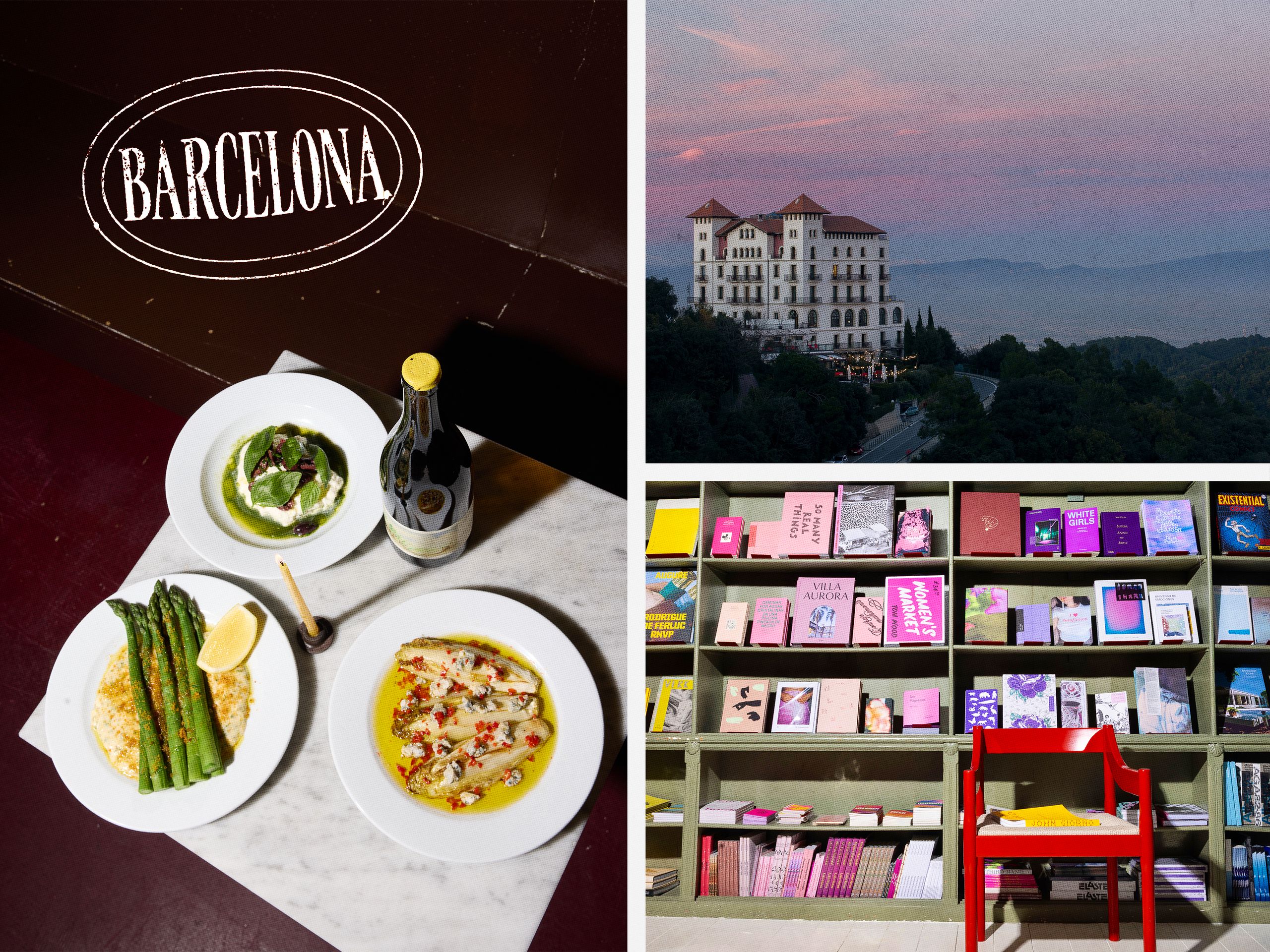
Shopping in Barcelona rewards the person willing to walk. The big international brands stack up along Passeig de Gràcia – the grand diagonal boulevard that also happens to contain three of Antoni Gaudí’s major buildings, which makes window-shopping into something close to an architecture tour. But the more interesting retail is elsewhere. The Born neighborhood has developed a concentration of independent fashion over the past decade, stocking Spanish and Catalan designers alongside carefully edited international labels. Streets like Carrer del Rec and Carrer dels Flassaders are worth the wander.
Gràcia offers a different version of independent retail – bookshops, ceramics, small-batch cosmetics, vintage clothing mixed in with neighborhood hardware stores and fruit stands. It has not been fully absorbed by the shopping-district logic that eventually hollows out places like the Born, though the pressure is visible. The streets around Plaça del Sol and Plaça de la Vila de Gràcia anchor the neighborhood’s commercial life, and the cafés around those squares are where you stop when your feet give out.
The Gothic Quarter is the oldest part of the city and the most walked-over by tourism, but it earns its place on the itinerary anyway. The Roman walls are still there. The Barcelona Cathedral sits at the center of a neighborhood that was already old when most European capitals were being planned. The souvenir shops are thick on the main routes, but one street removed and the density drops considerably. It is still possible to find a courtyard with no one else in it, briefly, on a Tuesday morning.
The Logic of Two Days
Two days in Barcelona is a compression exercise. You will not see everything – the Sagrada Família alone can absorb half a day if you go inside, and the views from Park Güell require a timed ticket booked well in advance. The version of Barcelona you actually experience in 48 hours depends almost entirely on which neighborhoods you base yourself in and how willing you are to sit still long enough to let the city show itself.
The Eixample is the practical choice for accommodation – central, well-connected by metro, close to food and shopping and the major Modernista architecture. But staying in Gràcia or the Born puts you closer to the street-level texture that makes Barcelona feel like a place people actually live rather than a set designed for visitors. That distinction is worth paying attention to when you book, because two days spent in the wrong part of the city can make Barcelona feel like an airport with better tapas.