



An Unlikely Pairing at the End of a Record
Charli XCX has spent years building a reputation at the intersection of pop music and avant-garde aesthetics, so it tracks that her new album closes not with a radio-ready hook but with the voice of a man best known for filming bodies coming apart. David Cronenberg, the director behind Videodrome, The Fly, and Crash, appears as a cameo on the album’s final track, “No One Lasts Forever” – a pairing that sounds like a punchline until you actually sit with what the song is doing.
The collaboration is not decorative. Cronenberg’s presence on the closing track of a pop album, delivered as a chilling cameo, positions “No One Lasts Forever” as something closer to a meditation on artistic mortality than a standard album outro. It is the kind of choice that signals Charli XCX is thinking about what records mean beyond their streaming numbers – and whether legacy, in the age of the algorithm, is even a coherent goal.
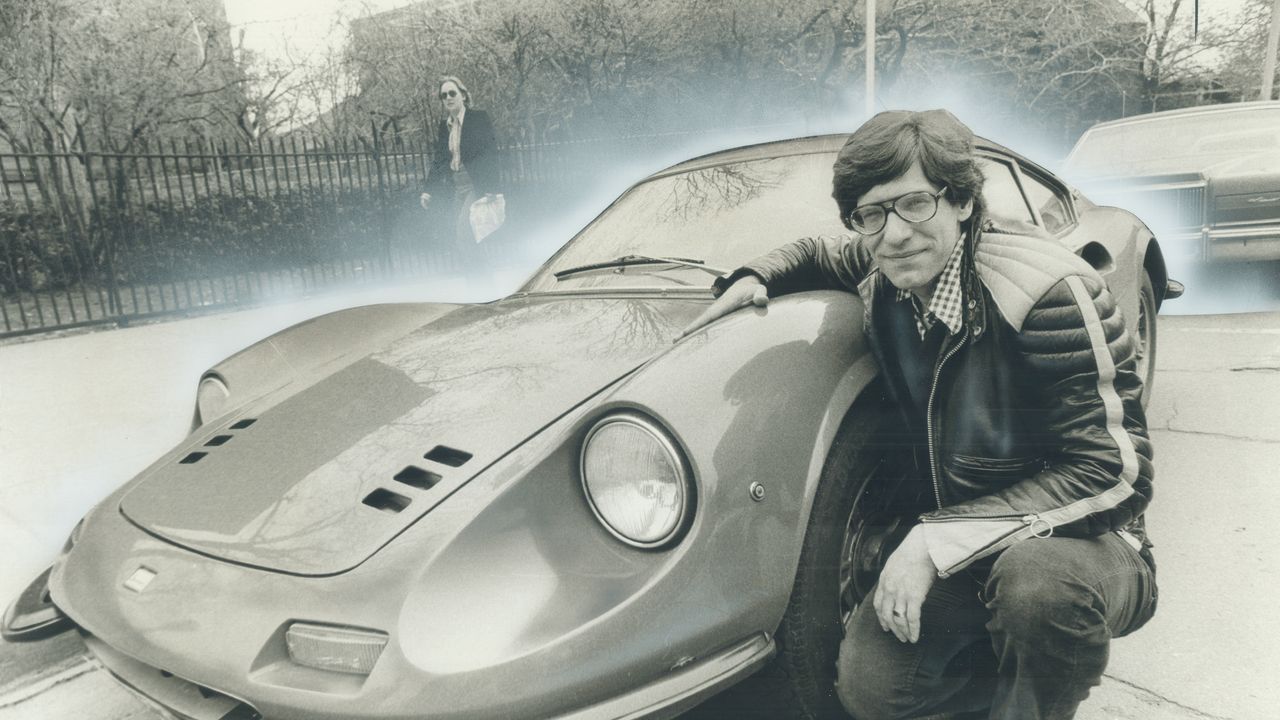
Why Cronenberg Makes Sense Here
Cronenberg has spent five decades making films about the fragility and horror of the human body – flesh that mutates, merges with machines, betrays its owner. His entire filmography is, in a way, a prolonged argument that nothing physical lasts, that the body is always already in the process of becoming something else or disintegrating entirely. That preoccupation maps onto what “No One Lasts Forever” appears to be wrestling with: the question of whether artistic output survives its creator, or whether it dissolves into the noise the moment the moment passes.
His cameo reportedly addresses themes of music, fashion, and film – a deliberate triangulation of the cultural forms Charli XCX has worked across and continues to push against. She is not just a recording artist at this point. Her influence on fashion, visual aesthetics, and the broader pop ecosystem is significant enough that Cronenberg’s framing feels less like flattery and more like a structural observation about how creative work moves across mediums, blurs genre lines, and eventually becomes something nobody can fully claim ownership over.
There is also something to be said about timing. Cronenberg, now in his early eighties, is a figure who has genuinely outlasted most of his contemporaries and watched his own early work get absorbed into mainstream culture – body horror is now a recognizable aesthetic category, a fashion mood board, a TikTok filter. What he built has persisted, but in forms he probably could not have predicted. His voice on a pop album in 2024 is, itself, evidence of the track’s central argument.
The Album’s Final Statement
“No One Lasts Forever” closing the record is a structural choice worth examining. Albums that end with questions about legacy are usually making a bid for it – the artist gesturing toward permanence while nominally disclaiming interest in the outcome. But the track’s title cuts against that move. It is blunt in a way that does not leave room for comfortable reassurance. Nothing survives. The work does not outlive you in any meaningful sense. That is either liberating or devastating depending on where you are standing.
Charli XCX has been unusually candid in how she talks about her career and her artistic choices, and the decision to bring in Cronenberg for this specific moment suggests she is asking the question sincerely rather than rhetorically. Similar cross-disciplinary instincts have driven other culture figures to reach across their fields when they want to say something they cannot quite get to through their primary medium alone.
Fashion, Music, Film – and the Space Between
The explicit mention of fashion alongside music and film in Cronenberg’s cameo is not accidental. Charli XCX has been a consistent presence in conversations about how music and clothing interact – what an artist wears, how they stage themselves, how their visual identity bleeds into the clothes their audience reaches for. Her aesthetic has moved through several distinct phases, each one influencing a corner of fashion that tends not to credit its musical sources. The Y2K revival, the hyperpop-adjacent styling, the particular shade of pink that became culturally oversaturated partly because of BRAT – these are not footnotes to the music. They are part of what the music is.
Cronenberg’s body of work has similarly influenced fashion in ways that rarely get attributed directly. His visual language – organic textures, flesh-toned palettes, the aesthetics of biological collapse – has appeared on runways without his name attached. The fact that his cameo touches specifically on fashion as one of the three pillars suggests an awareness of how culture circulates without clean lines of credit or clear chains of influence.
What both of them share, beyond the obvious disparity in medium and generation, is a willingness to use their work to ask uncomfortable questions about what it all adds up to. Cronenberg does not make reassuring films. Charli XCX, at her sharpest, does not make reassuring pop songs. “No One Lasts Forever” is a strange place for a collaboration to land, but it is probably the only honest place for these two to meet.
The track is the last thing listeners hear before the album ends. After Cronenberg speaks, there is presumably nothing – just the silence before someone hits play again, or doesn’t.

Whether that silence feels like an ending or just a pause is the question the title leaves deliberately open.