




When a Rap Artist Gets a Soccer Club’s Wardrobe
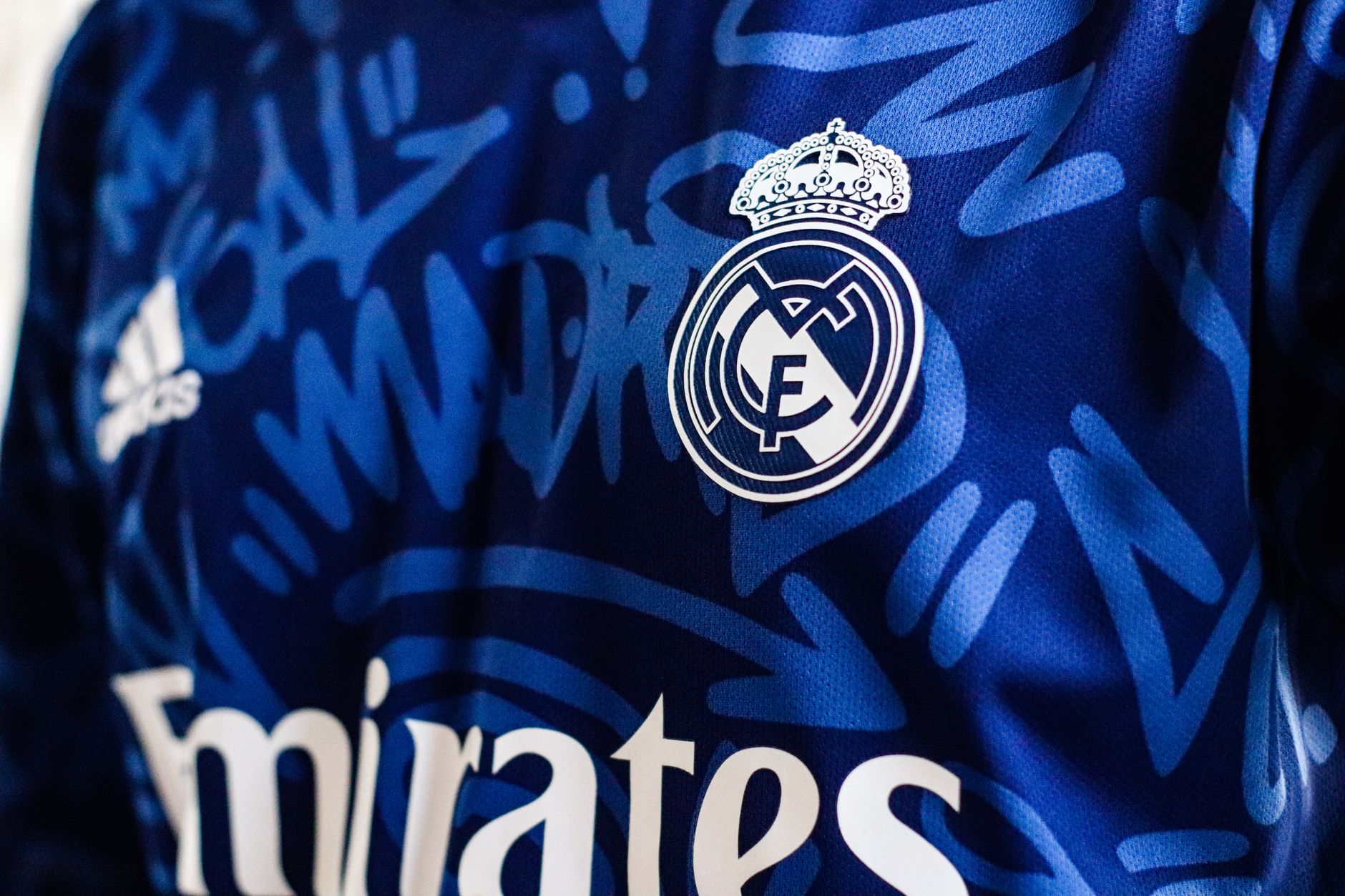
Tyler, the Creator’s streetwear label Golf Wang is designing FC Barcelona’s kits for one of the club’s biggest matches of the 2026 season, a collaboration made possible through Spotify’s artist takeover program. It is, by any measure, an unusual pairing – a Los Angeles-rooted rap brand known for bold color and deliberately off-kilter graphics, now responsible for dressing one of the most watched football clubs on the planet.
The match in question falls on October 15, 2026, and Barcelona’s players will take the pitch wearing something that carries Tyler’s visual fingerprint as much as the club’s own identity. That tension – between an institution with a 125-year-old crest and a brand barely a decade old – is exactly what makes this worth paying attention to.
Spotify’s Takeover Program Puts Real Power in Artists’ Hands
Spotify’s artist takeover structure is the mechanism that makes this possible, and it functions as more than a marketing arrangement. The program gives participating artists editorial and creative influence over real-world assets – in this case, the literal uniforms worn during competitive play. Tyler is not a brand ambassador in the conventional sense. Golf Wang is not slapping a logo on an existing design. The label is designing the kits.
That distinction matters. There is a long history of musicians appearing alongside sports brands in campaigns – posing with cleats, soundtracking ad spots, attaching their names to colorways. What Spotify’s program offers is categorically different: the artist controls the product itself. Tyler, whose design sensibility across Golf Wang collections tends toward saturated palettes, retro proportions, and an aesthetic that resists easy categorization, is now applying that same eye to a garment that will be worn at full sprint in front of tens of thousands of people.
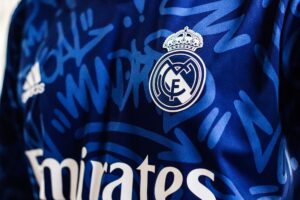
FC Barcelona’s kits carry weight that most clothing simply does not. The club’s colors – the famous blaugrana stripe of blue and red – are among the most recognized in sport. Any designer working within that framework is negotiating with a visual language that predates living memory. Golf Wang’s track record suggests Tyler is not inclined to treat that as a constraint so much as raw material.
The October 15 date also places this collaboration squarely in the middle of what is typically a loaded stretch of the European football calendar. Barcelona’s schedule at that point in the season tends to involve either Champions League fixtures or high-stakes La Liga clashes, which means the audience watching whoever wears these kits will be significant. A kit seen on that stage gets photographed from hundreds of angles, worn by players who become moving billboards, and replicated in the replica jersey market almost immediately.
What Golf Wang Brings That a Traditional Kit Manufacturer Wouldn’t
Golf Wang has operated since around 2011, growing from a merch operation tied to Tyler’s Odd Future collective into a standalone brand with its own seasonal drops, retail presence, and design identity. The aesthetic has never chased hype in the conventional streetwear sense – no obvious Supreme-adjacency, no heavy branding for its own sake. Tyler’s design work, both in fashion and in his album artwork, tends to favor composition and color relationships over logo placement.
That approach could translate interestingly to a football kit, where the design constraints are strict – sponsor placement is contractually fixed, the club crest is non-negotiable, and the garment has to function under athletic conditions – but the space within those constraints is where a designer’s choices actually show. Collar treatment, number fonts, sublimated patterns, the specific shade of a secondary color: these are the decisions that separate a kit that feels considered from one that feels generic.
Barcelona’s relationship with kit design has not been without controversy in recent years. Some of their more experimental third kits have divided the fanbase sharply, which means this collaboration enters a context where supporters already have strong opinions about what the club should and shouldn’t look like. Tyler stepping into that is either an opportunity to do something genuinely fresh or a flashpoint waiting to happen – possibly both simultaneously.
The replica jersey market is also not a small consideration. Barcelona consistently ranks among the world’s top clubs for shirt sales. A Golf Wang-designed kit for a high-profile October fixture will end up on racks, in online carts, and eventually on people who have no particular connection to either Barcelona or Tyler’s music. The kit becomes a piece of merchandise with its own life outside the match.
Style and Sport Have Always Negotiated This Territory Awkwardly
Football kits occupy a strange position in fashion. They are functional sportswear that has also, for decades, been worn casually by people who never set foot on a pitch. The market for vintage kits – particularly unusual colorways or kits tied to specific memorable matches – has become a serious collector’s category. A Golf Wang x Barcelona kit from October 15, 2026, is exactly the kind of object that ends up in that conversation five or ten years from now, regardless of what happens during the match itself.
What remains to be seen is how literally Tyler’s design language translates. Golf Wang’s most recognizable work tends to feature color combinations that feel unexpected but somehow correct – a yellow that reads as warm rather than aggressive, a pink that avoids any ironic distance. Whether those instincts survive contact with a football kit’s specific requirements, and whether Barcelona’s famously particular supporters will accept what comes out the other side, is the open question hanging over the October release date.