





The Advice You Actually Use
Most grooming advice lives in the gap between what sounds good in print and what holds up at 7 a.m. in a bathroom mirror. GQ set out to close that gap, pulling together a group of grooming experts whose collective brief was straightforward: tell men what actually works when it comes to looking better, feeling sharper, and carrying themselves with more confidence.
What came back wasn’t a list of expensive products or elaborate routines requiring forty minutes and a sous vide. It was practical. Specific. The kind of advice that shifts how you move through a room rather than just how you look in one. Ten recommendations, each backed by someone who works with real faces and real skin for a living.
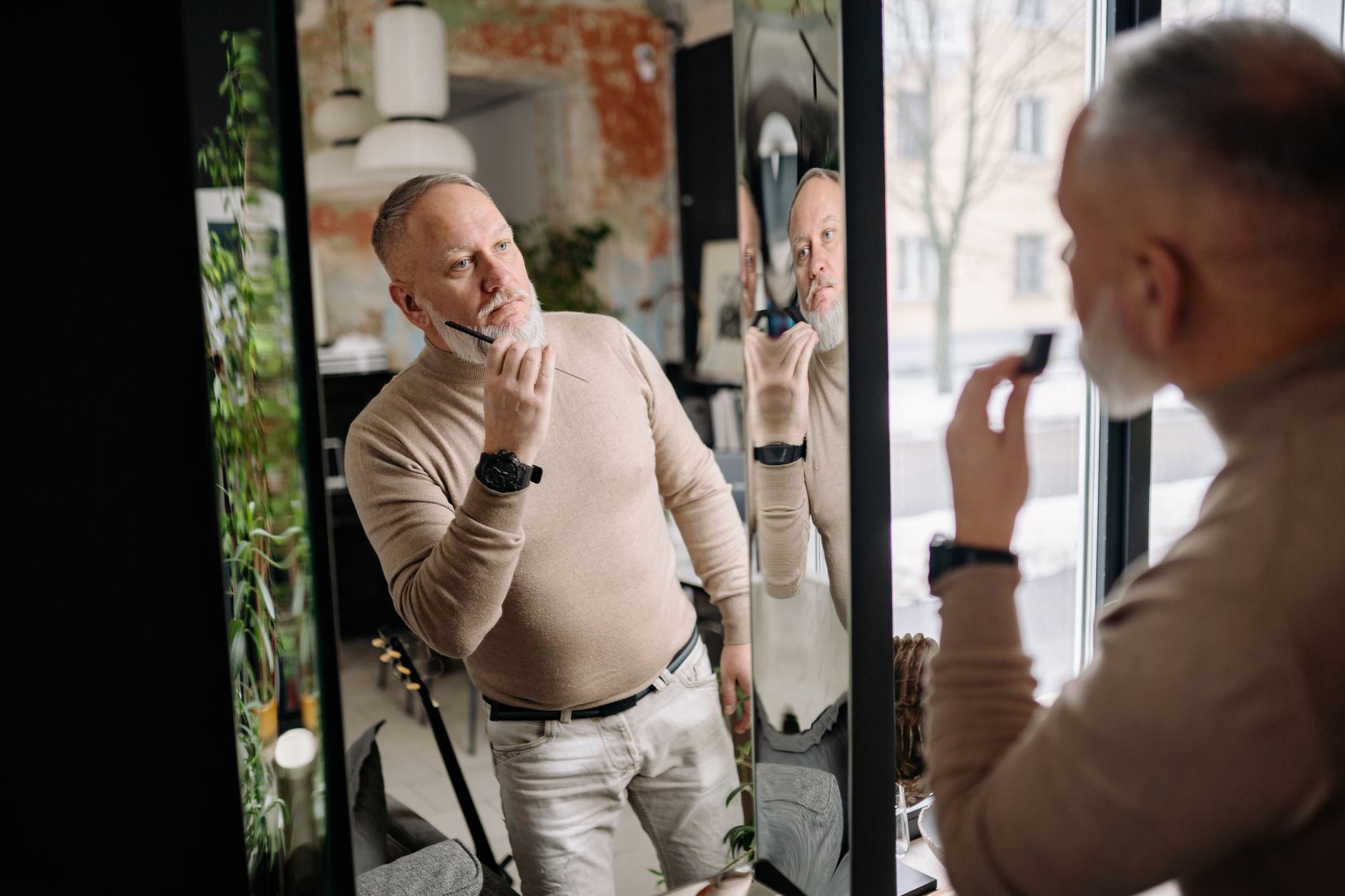
Confidence Is Not a Metaphor
The experts kept returning to the same underlying idea: looking better and feeling better are not separate projects. Grooming works on both simultaneously. A cleaner haircut doesn’t just change how others read you – it changes how you carry your shoulders, whether you make eye contact, how long you hold a handshake. The physical change triggers something internal, and the internal change is often the more visible result.
That feedback loop is why grooming professionals rarely talk about their work in purely aesthetic terms. The goal isn’t symmetry or a specific jawline. It’s the version of yourself that walks into a room without doing a mental inventory of everything that feels off. Small, consistent adjustments compound. A skincare routine that takes three minutes twice a day produces results that no single expensive treatment can replicate, because frequency beats intensity almost every time in skin health.
Sleep sits inside this conversation whether most men want it to or not. Chronic sleep deprivation shows up on the face before it shows up anywhere else – in the skin’s texture, in the sharpness of the eyes, in the permanent low-grade fatigue that no concealer fully addresses. The experts’ advice on this point wasn’t complicated: the grooming routine starts the night before, not in the morning. Sleep debt accumulates in ways that are harder to reverse than most people assume, and the face keeps the receipts.
The Basics, Executed Better
Several of the ten recommendations came down to doing familiar things with more precision. Moisturizing, for instance, is something most men already do – but timing changes its effectiveness dramatically. Applying moisturizer to damp skin rather than completely dry skin locks in hydration that would otherwise evaporate. A thirty-second change in habit, applied consistently, produces measurably different skin over weeks.
The same principle applies to hair. Most men aren’t using the wrong products – they’re applying them wrong. Product distributed through slightly damp hair behaves differently than product worked into dry hair. Diffusion is more even, hold is more natural, and the finished result looks less like an application and more like a texture. Experts noted that applicators and tools matter less than technique, and technique is free to change.
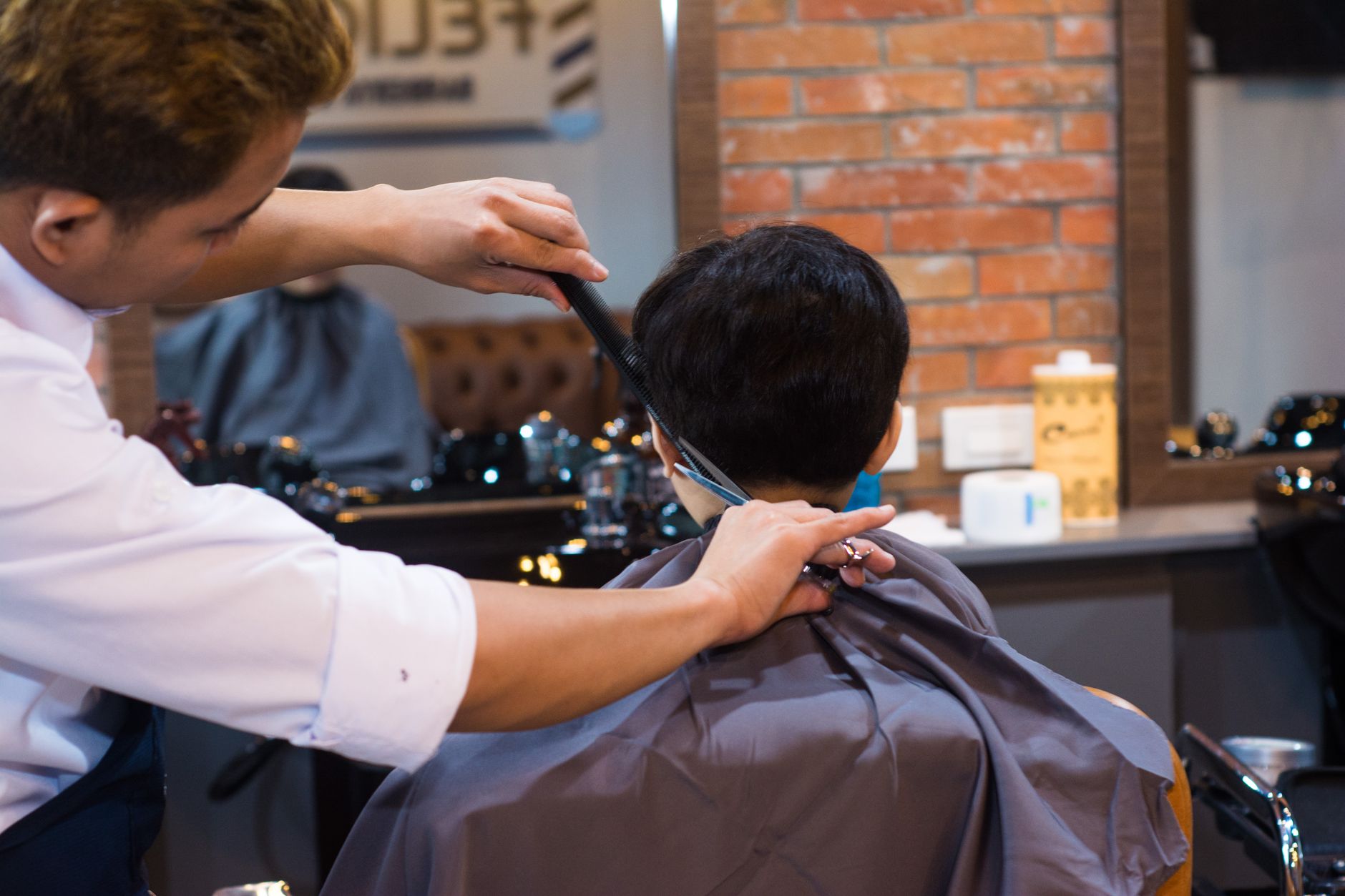
What the Experts Were Actually Saying
Underneath each of the ten recommendations was a consistent argument about attention. Men who look put-together aren’t necessarily spending more money or more time – they’re paying attention to a smaller number of things with more consistency. A well-maintained beard that suits the actual shape of a face reads better than a more elaborate style that fights the bone structure it’s sitting on. The expert’s job, in that scenario, is partly to tell the client what they’re working with before advising what to do with it.
Eyebrows came up specifically. Not in the sense of elaborate shaping or architectural precision, but in the basic sense of maintenance. Stray hairs that drift outside the natural brow line, or hairs that bridge toward each other, are easy to address and make a disproportionate difference to how the rest of the face reads. It’s one of those changes that nobody can quite identify when they look at you, but everyone registers somewhere.
Fragrance occupied a full entry in the ten recommendations, which reflects how seriously professionals treat it relative to how casually most men approach it. The experts’ position: application point matters more than quantity. Pulse points – wrists, neck, inner elbow – project scent as body heat amplifies it. More product applied to the wrong spots doesn’t compensate for understanding the basic mechanics. A single well-placed application outperforms a heavy-handed one almost universally.
Teeth whitening, posture, and the relationship between physical fitness and the way clothes actually sit on a body all appeared across the recommendations. None of these are revelations individually. But grouped together, they form a picture of grooming that extends well past the bathroom cabinet – into sleep schedules, movement habits, and the way someone occupies physical space. The experts weren’t describing a beauty regimen. They were describing a broader discipline that happens to produce visible results.

The Part Most Advice Skips
Execution is the part that grooming content routinely underserves. The gap between knowing that SPF daily use prevents long-term skin aging and actually integrating a product with SPF into a routine that sticks – that gap is where most advice dissolves. The experts’ recommendations didn’t ignore this. Several were framed specifically around habit formation: stack new behaviors onto existing ones, choose products that don’t require dedicated storage or preparation, and lower the friction on anything you’re trying to do consistently.
The underlying tension in all of it is that looking better is partly about caring enough to try, and partly about not overthinking it to the point of paralysis. Men who spend forty minutes researching the optimal vitamin C serum and then buy nothing have not solved the problem. The expert consensus across GQ’s assembled panel was essentially this: choose something functional, use it consistently, and adjust from there. The person who moisturizes with a basic product every morning for a year will look noticeably better than the person who buys a premium product and uses it irregularly.
That said, one recommendation stood apart from the efficiency-focused framing of the rest. Multiple experts pointed to the barber relationship – specifically, the value of a barber or stylist who understands your face and has opinions about it. This isn’t about finding someone expensive. It’s about finding someone willing to push back. The best haircut you’ve ever had probably came from someone who talked you out of what you walked in asking for.