





Consistency Without Direction Is Just Spinning Wheels
Davide showed up. That much wasn’t the problem. He lifted most days, kept a schedule most people would consider serious, and still couldn’t point to anything concrete that had changed in his body. The effort was there. The results weren’t.
So he hired a physical trainer and a registered dietician.
What followed, according to Davide, was a “huge result” – not from training harder, but from two professionals adjusting the specific things he was already doing: his diet and his workout routines. The inputs shifted slightly. The outputs shifted dramatically. That gap between effort and outcome, which quietly defeats a lot of people who are otherwise doing everything right on paper, turned out to be a calibration problem, not a commitment problem.

Why Diet and Training Have to Move Together
The registered dietician who worked with Davide wasn’t there to hand him a meal plan and disappear. Dietary adjustments made in isolation from a training program tend to produce incomplete results because the body’s energy demands change depending on what you’re asking it to do week to week. Bulking – eating in a caloric surplus to build muscle – requires one set of nutritional targets. Cutting – reducing body fat while preserving muscle – requires another. Running both strategies at once, or switching between them without structure, is where most self-directed gym-goers quietly lose months.
Fatigue management sits at the center of this. A common mistake is reading physical exhaustion as a sign to push through, when it’s often a signal that recovery nutrition is miscalibrated. Protein timing, carbohydrate intake around training sessions, and overall caloric load all affect how quickly the body rebuilds after stress. A registered dietician can identify where those numbers are off in ways that a generic online macro calculator can’t, because the numbers have to account for a specific person’s output, not an average.
Davide’s trainer worked the other side of the equation – restructuring workout routines to match the dietary strategy rather than treating them as separate concerns. That coordination between disciplines is often what’s missing when someone is training consistently but stagnating. The plan exists. The two halves of the plan just aren’t talking to each other.
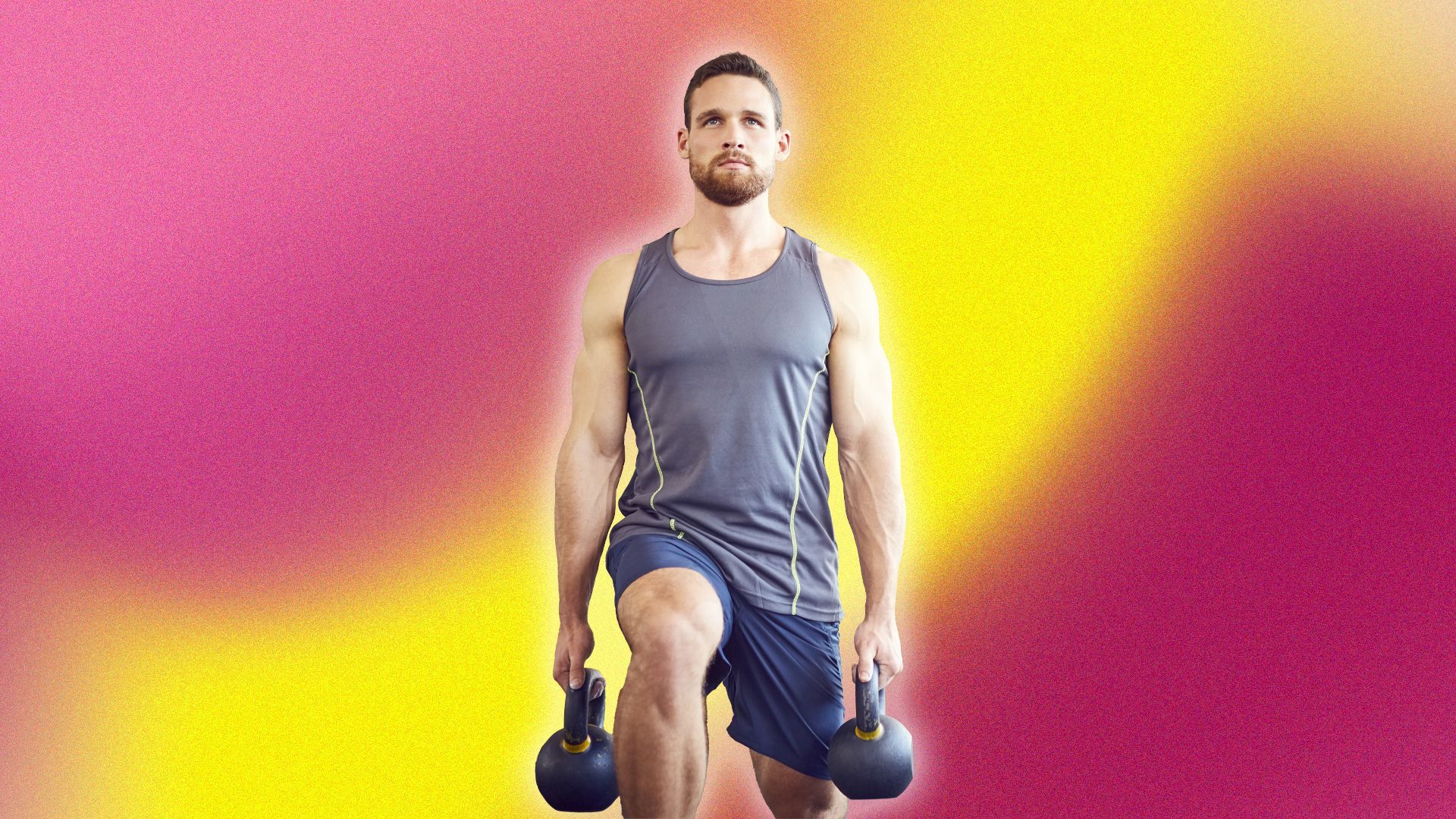
The Professional Hire Most People Delay Too Long
There’s a version of this story that a lot of gym-regulars recognize. You’re not a beginner. You’ve built habits, you understand the basics, you’re not skipping sessions. And yet the plateau has been sitting there for a year, maybe longer, and you’ve quietly started to assume it’s something fixed about your body rather than something correctable about your approach. Davide’s experience pushes back on that assumption directly.
Hiring a physical trainer and a registered dietician simultaneously – rather than one or the other – is still relatively uncommon outside professional athletic contexts. Most people either work with a trainer and guess on food, or overhaul their diet and continue with whatever training they were already doing. The two-professional approach is more expensive upfront and requires more coordination, but it’s what produced the result Davide described. The intervention wasn’t dramatic. It was specific.
For anyone tracking a health number alongside physical goals, the interplay between cardiovascular markers and body composition is worth understanding – some of the lab numbers most affected by diet and training are ones that don’t get much attention until something goes wrong. A registered dietician who understands both aesthetics and metabolic health can address multiple targets at once, which makes the hire more defensible financially even before you account for results like Davide’s.
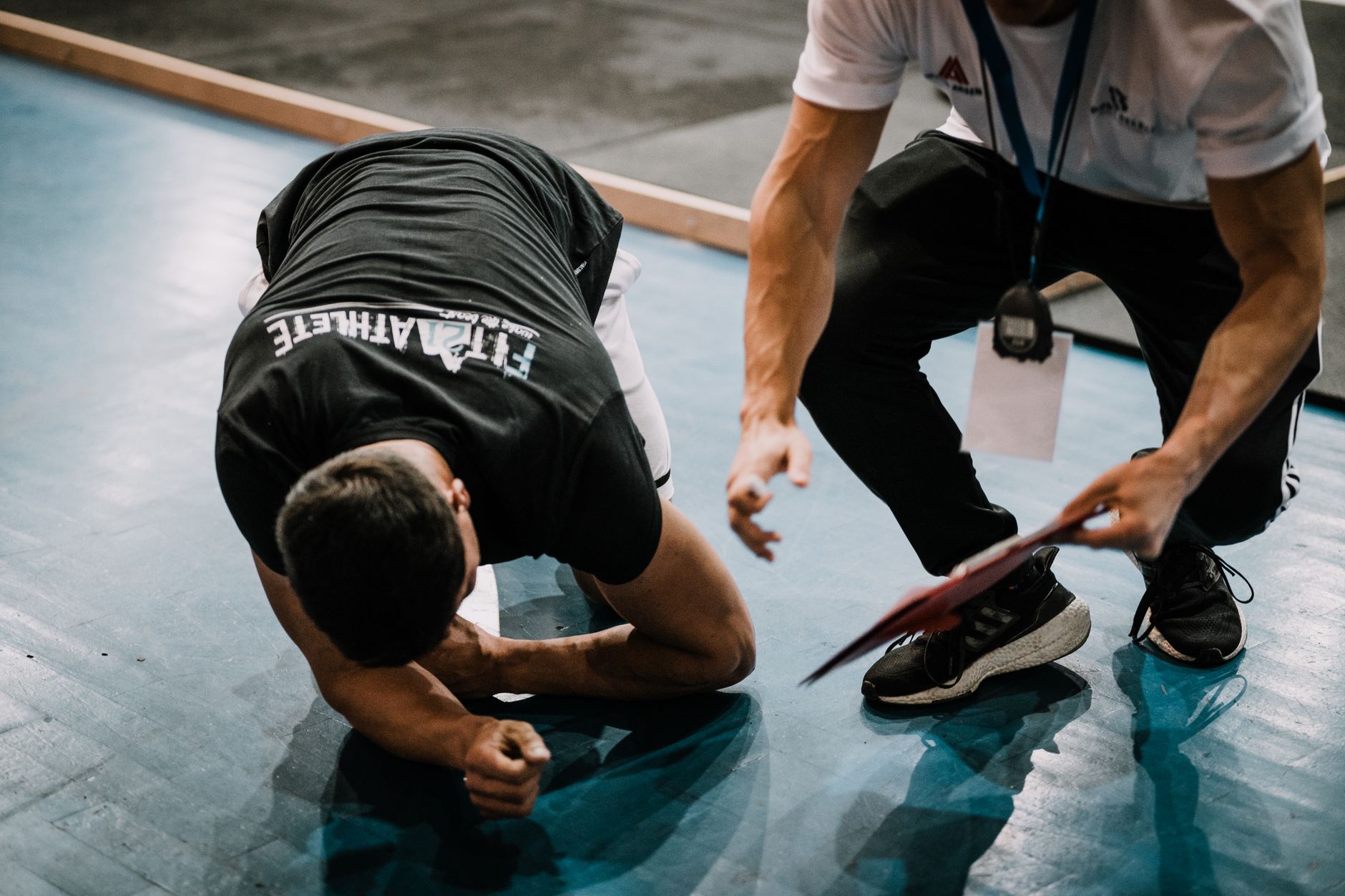
Davide lifted most days and had nothing to show for it until someone with credentials looked at what he was actually doing and told him what to change. The “huge result” came after that conversation – not before it, and not from doing more of what wasn’t working.