





Drive-in theaters, once relegated to warm summer evenings and nostalgic date nights, are transforming into year-round entertainment complexes that rival traditional venues. Owners across the country are installing heating systems, adding food trucks, and programming everything from concerts to comedy shows to keep audiences coming back through every season.
The pandemic initially sparked renewed interest in outdoor entertainment, but savvy operators recognized an opportunity to create something bigger than just movie screenings. Today’s drive-ins host farmers markets on weekends, live music festivals, and even corporate events, generating revenue streams that traditional theaters can’t match.
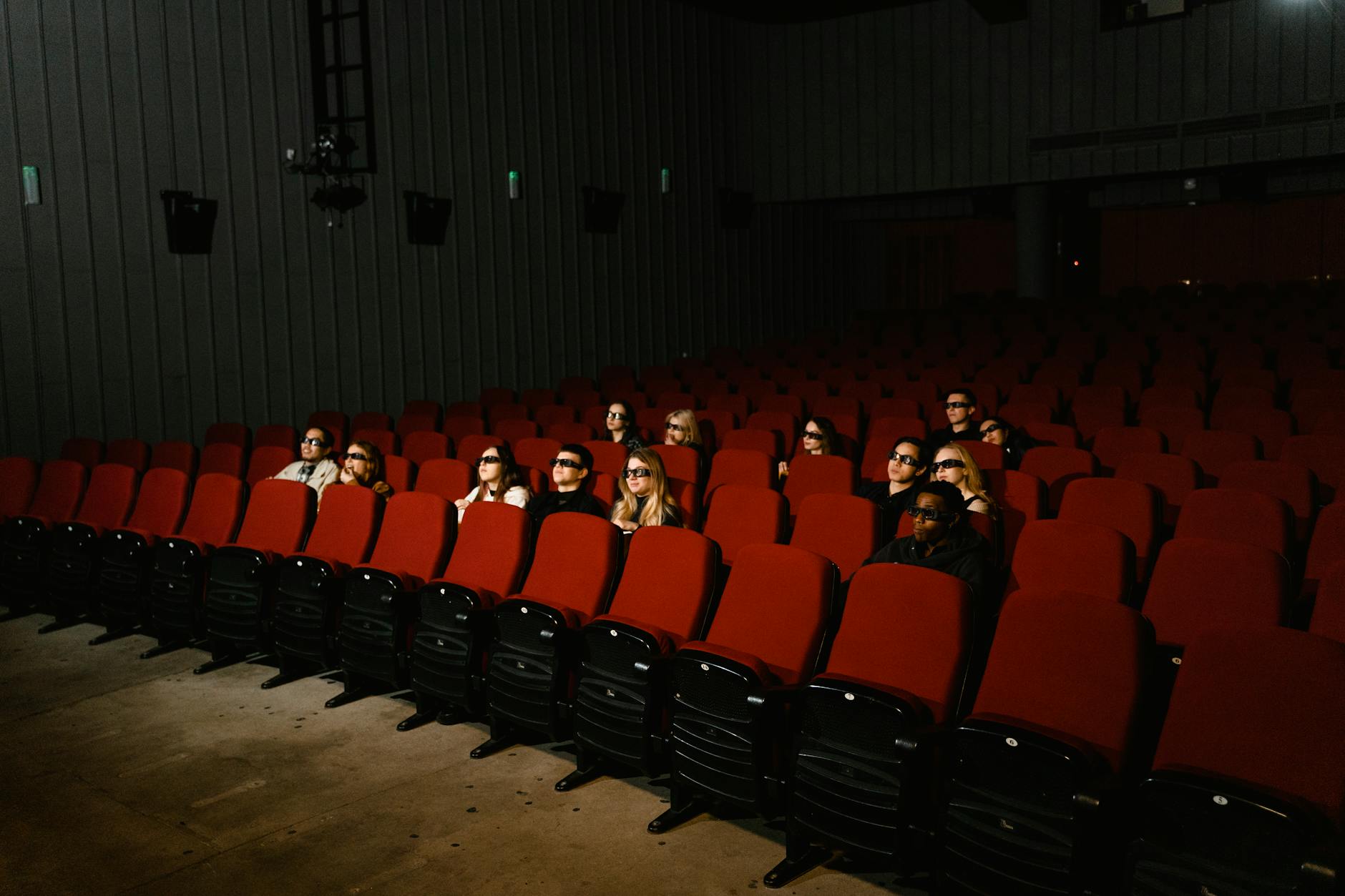
Beyond Movies: Diversifying the Drive-In Experience
Modern drive-ins are becoming community hubs that offer experiences impossible in conventional venues. The Bengies Drive-In Theatre in Maryland now hosts car shows alongside classic film screenings, while the Blue Starlite Mini Urban Drive-In in Austin has partnered with local bands to create intimate concert experiences where audiences enjoy live music from their vehicles.
Food service has evolved far beyond basic concessions. Many drive-ins now feature rotating food truck partnerships, craft beer gardens, and even full-service restaurants on-site. The Mission Tiki Drive-In in California recently added a permanent kitchen that serves elevated comfort food, transforming the venue into a dining destination that happens to show movies.
These venues are also embracing technology to enhance the experience. Digital projection systems ensure crisp image quality, while improved FM transmission systems deliver better audio directly to car stereos. Some locations offer smartphone apps for ordering food and beverages, eliminating the need to leave vehicles during screenings.
Weatherproofing the Outdoor Experience
The biggest challenge for year-round operation has always been weather, but innovative solutions are making drive-ins viable entertainment options even in harsh climates. The Haar’s Twin Drive-In Theatre in Pennsylvania invested in a radiant heating system that warms vehicles in designated premium parking spots during winter months.
Some venues have adopted hybrid models, combining traditional outdoor screenings with enclosed viewing areas. The Holiday Drive-In Theatre in Colorado constructed heated pavilions with large windows facing the screen, allowing patrons to enjoy the drive-in atmosphere while staying comfortable during cold weather.
Weather protection extends beyond heating. Several drive-ins now offer covered parking sections for rainy season operations, while others have installed massive retractable canopies that can shelter entire sections of the viewing area. These investments represent significant capital expenditures, but operators report strong returns through increased utilization rates.
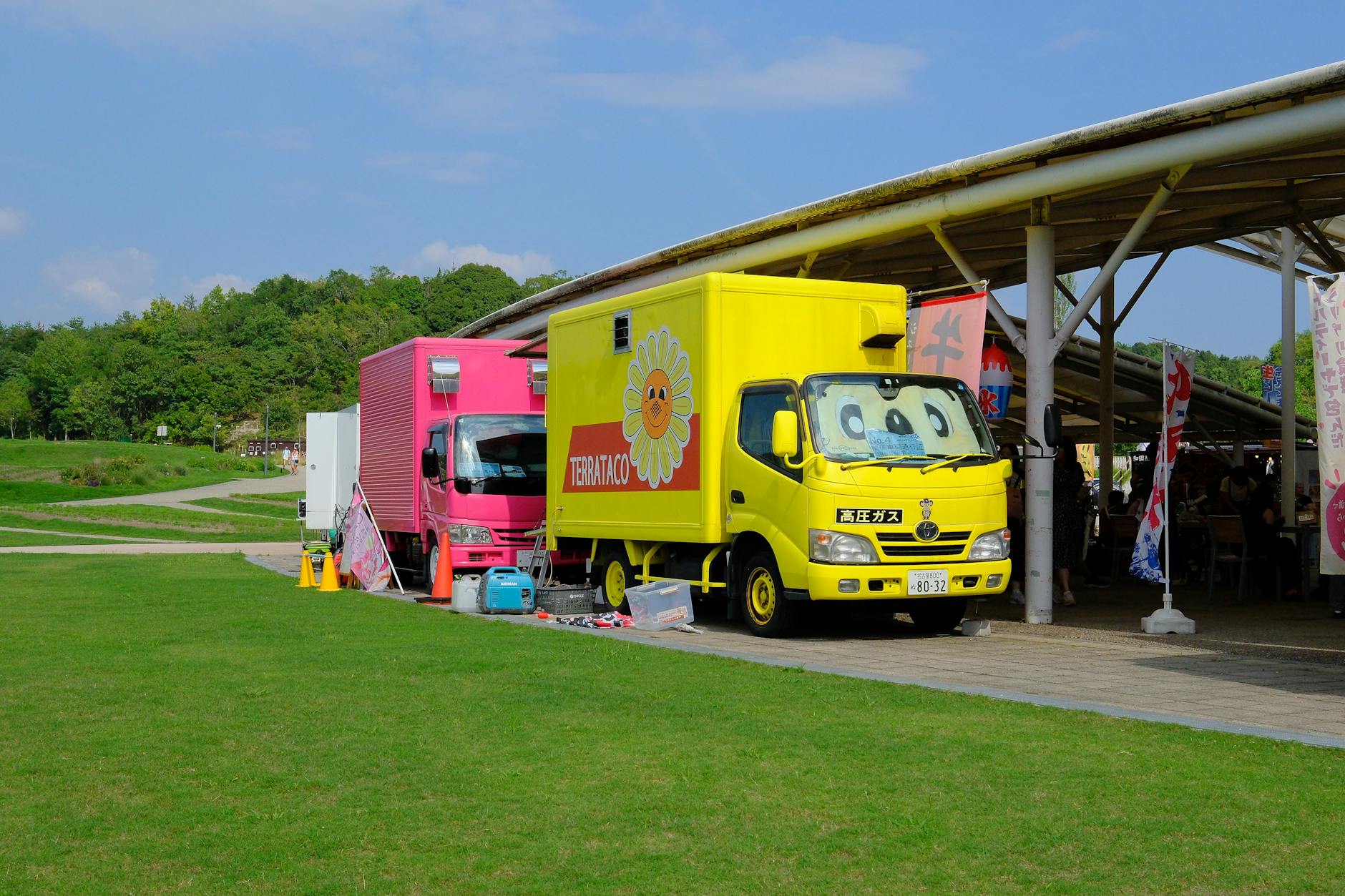
Community Events and Corporate Partnerships
Drive-ins are leveraging their unique spaces to become versatile event venues. The Starlite Drive-In in Georgia hosts weekly farmers markets in their parking lots, creating a community gathering space that draws families even when no movies are showing. This approach mirrors broader entertainment industry trends, where venues like comedy clubs are expanding their offerings to serve diverse audiences throughout the week.
Corporate events represent another growing revenue stream. Companies are booking drive-ins for team building activities, product launches, and outdoor meetings. The spacious parking areas accommodate large groups while maintaining social distancing preferences that many organizations still prefer for gatherings.
Educational programming has also found a natural home at drive-ins. Several venues partner with local schools and astronomy clubs to host stargazing events, combining the large open spaces with minimal light pollution. The Delsea Drive-In Theatre in New Jersey regularly hosts science nights where families can learn about constellations after movie screenings end.
Live entertainment programming continues expanding. Drive-ins are booking stand-up comedians, tribute bands, and even theatrical performances adapted for the outdoor vehicle-viewing format. Some venues install temporary stages facing the traditional screen area, creating amphitheater-style experiences where audiences remain in their cars.
Economic Revival and Cultural Impact
The financial transformation of drive-in theaters reflects broader changes in entertainment consumption patterns. Where traditional movie theaters struggle with declining attendance and streaming competition, drive-ins offer unique experiences that can’t be replicated at home. Many operators report revenue increases of 200-300% compared to pre-pandemic levels, driven primarily by diversified programming rather than just movie ticket sales.
Real estate developers are taking notice. New drive-in construction projects are emerging in suburban markets where land costs make large outdoor venues economically feasible. These modern facilities are designed from the ground up as multi-use entertainment complexes, incorporating permanent stages, commercial kitchens, and climate-controlled buildings alongside traditional screening areas.
The cultural impact extends beyond entertainment value. Drive-ins are becoming symbols of community resilience and adaptation, demonstrating how traditional businesses can evolve to meet changing consumer preferences. They offer multigenerational appeal that few entertainment venues can match, creating shared experiences for families where grandparents, parents, and children can all enjoy the same evening out.
Looking ahead, the drive-in industry appears positioned for sustained growth rather than temporary pandemic-era popularity. Operators are investing in permanent infrastructure improvements, suggesting confidence in long-term viability. As entertainment venues continue diversifying their offerings to remain competitive, drive-ins have proven that sometimes the oldest ideas can become the most innovative solutions for modern challenges.
Frequently Asked Questions
How do drive-ins stay open during winter weather?
Many install radiant heating systems, enclosed viewing pavilions, and covered parking areas to protect patrons from cold and precipitation.
What entertainment options do modern drive-ins offer besides movies?
Today’s drive-ins host concerts, comedy shows, farmers markets, car shows, corporate events, and educational programming like stargazing nights.