





The next time you’re hunting for tickets to see your favorite indie band, you might find yourself heading to a food hall instead of a traditional concert venue. Artists from Phoebe Bridgers to Japanese Breakfast have been booking intimate performances in these culinary marketplaces, transforming what were once purely dining destinations into unexpected music hotspots.
Food halls across major cities are discovering that their open layouts, diverse vendor spaces, and built-in audiences make them perfect for acoustic sets and small-scale performances. The trend started during pandemic restrictions when traditional venues struggled to reopen, but it’s continued as both artists and audiences embrace the unique atmosphere these spaces provide.
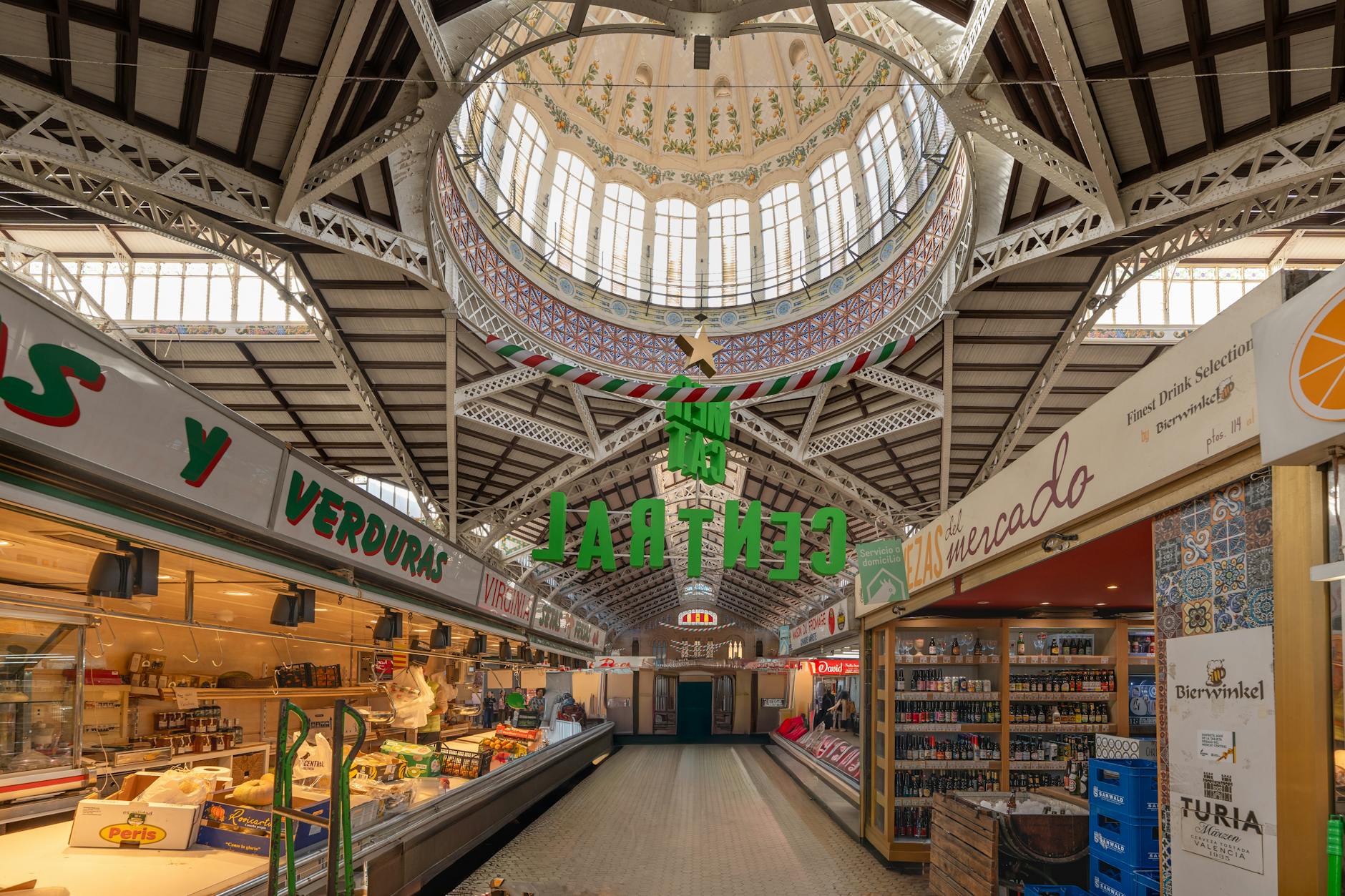
The Perfect Storm of Intimacy and Acoustics
Food halls offer something traditional concert venues often lack: natural acoustic environments that don’t require heavy sound engineering. The high ceilings, mixed materials, and open floor plans create what sound engineers call “live” acoustics – perfect for folk, indie, and acoustic performances.
Places like Gotham West Market in New York and Grand Central Market in Los Angeles have become regular stops for touring musicians seeking more intimate connections with their fans. The casual setting allows artists to perform without the formal barriers of traditional venues, often leading to impromptu conversations between sets and a more relaxed atmosphere overall.
“There’s something magical about performing while people are eating and socializing,” explains venue coordinator Sarah Martinez from Seattle’s Melrose Market Studios. “It brings music back to its roots as community entertainment, not just a ticketed event you attend and leave.”
The economics also work in everyone’s favor. Food halls don’t need to rely solely on ticket sales and expensive drink minimums. Artists can negotiate more flexible performance fees, while venues benefit from increased foot traffic and longer customer stays. Attendees can grab dinner, listen to live music, and socialize without the pressure of standing room only or expensive cover charges.
From Supper Clubs to Modern Markets
This shift mirrors historical entertainment patterns. Before large concert halls dominated the music industry, most performances happened in social settings – supper clubs, dance halls, and community gatherings where food and music naturally coexisted.
Food halls are essentially recreating this model for modern audiences. The format works particularly well for singer-songwriters and acoustic acts who can perform without elaborate stage setups. Artists like Clairo, Boy Pablo, and members of Big Thief have all embraced these venues for album release parties and surprise performances.

The trend has also created opportunities for emerging artists who might struggle to book traditional venues. Food halls often program multiple acts throughout the week, giving newcomers platform alongside established names. This mirrors how comedy clubs are expanding their entertainment offerings to include diverse performance formats.
Local food vendors benefit too, often reporting 30-40% increases in sales during performance nights. The extended engagement time means customers aren’t just grabbing quick meals – they’re settling in for full dining experiences that can last several hours.
Technical Innovation Meets Culinary Culture
Modern food halls have invested in sophisticated but unobtrusive sound systems that can accommodate live performances without overwhelming diners at distant tables. Wireless microphone systems and directional speakers allow for controlled audio zones, meaning a jazz trio can perform in one section while maintaining conversation levels elsewhere.
Some venues have gone further, installing retractable stages and modular seating areas that can be reconfigured for different types of performances. Chelsea Market in New York has experimented with “listening sessions” where artists debut new albums in listening party formats, complete with curated food pairings.
The visual element matters too. Food halls often feature local artists’ work on their walls, creating gallery-like environments that complement live performances. This multi-sensory approach appeals to audiences seeking experiences beyond traditional entertainment formats.
Technology integration has been crucial. Many food halls use apps that let customers order food while reserving spots for performances, creating seamless experiences that traditional venues struggle to match. QR code menus and mobile payment systems keep service running smoothly during shows.
The Future of Hybrid Entertainment Spaces
Industry observers predict this trend will continue expanding as both artists and venues recognize the mutual benefits. The success of food hall concerts has influenced other hybrid spaces – breweries, bookstores, and even retail locations are experimenting with regular performance programming.
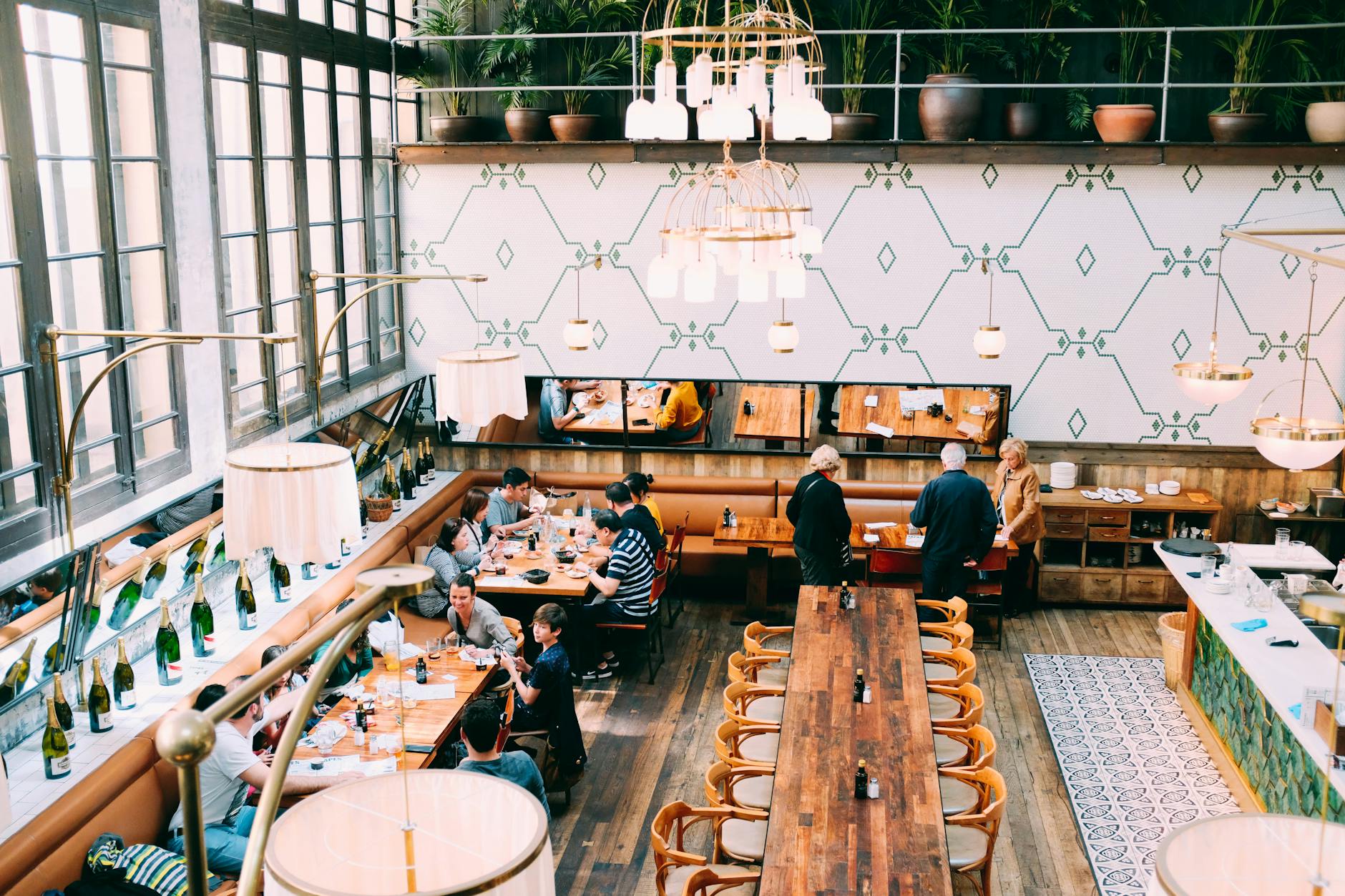
The model faces some challenges. Noise control remains complex, especially with open kitchens and service areas. Some traditional music fans prefer the focused atmosphere of dedicated concert venues. But for many artists and audiences, the trade-offs are worthwhile.
Several major food hall developers are now designing spaces specifically with performance capabilities in mind. This represents a significant shift from the original food court model toward comprehensive entertainment destinations. Like drive-in theaters expanding beyond movies, food halls are evolving into multi-purpose community spaces.
The success of this format suggests audiences crave more integrated entertainment experiences. Rather than compartmentalizing dining, socializing, and music consumption, food halls offer a return to more holistic entertainment that feels natural rather than commercially driven.
As traditional concert venues continue recovering from pandemic impacts and facing rising operational costs, food halls present a sustainable alternative that serves artists, audiences, and local businesses simultaneously. The future of live music might just taste better than we expected.
Frequently Asked Questions
Why are artists choosing food halls over traditional venues?
Food halls offer better acoustics for acoustic sets, more flexible pricing, and intimate settings that create stronger connections with audiences.
How do food hall concerts work logistically?
Venues use wireless sound systems and directional speakers to create audio zones, allowing performances in one area while maintaining normal dining in others.