





Stand-up comedy venues across major cities are reporting something unexpected: empty seats on weekend nights while poetry slam events down the street pack audiences beyond capacity. The shift represents a dramatic cultural pivot that’s catching entertainment industry veterans off guard.
Poetry slams, once relegated to coffee shop corners and college campuses, now command prime real estate in established entertainment districts. The Nuyorican Poets Cafe in New York regularly sells out its 150-seat venue weeks in advance, while comedy clubs struggle to fill half their rooms on the same nights. Similar patterns emerge in Chicago, Los Angeles, and smaller cities nationwide.
The numbers tell a compelling story. National Poetry Slam championships draw audiences exceeding 2,000 people, rivaling major comedy festivals. Local venues report poetry events generating 40% higher ticket sales than traditional comedy nights, with audiences spanning ages 16 to 65 rather than comedy’s typical 25-45 demographic.
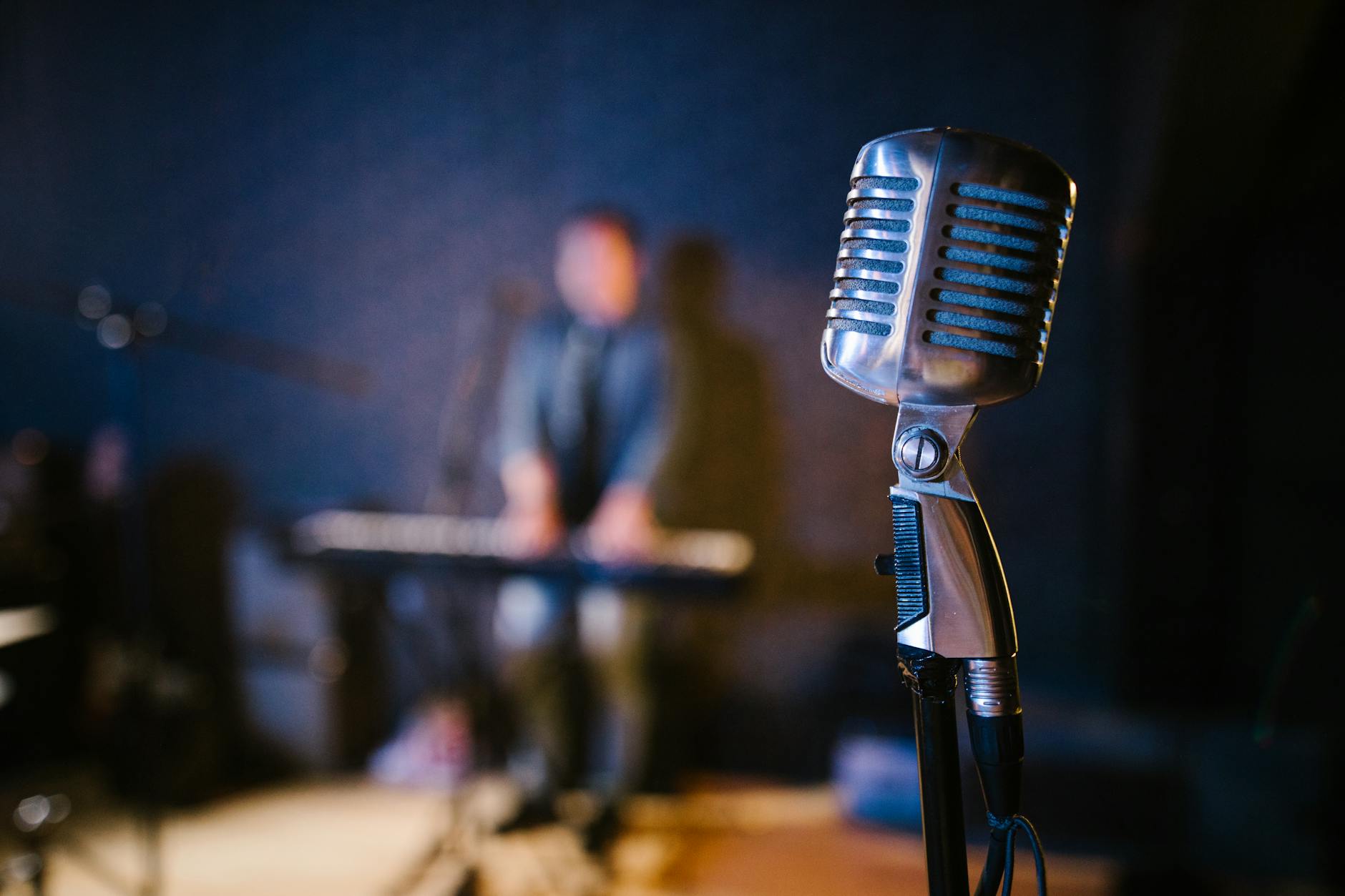
The Raw Authenticity Factor
Poetry slam audiences crave unfiltered personal narratives over punchlines. Performers like Sarah Kay, Shane Koyczan, and Andrea Gibson built massive followings by addressing mental health, social justice, and identity with vulnerability that traditional stand-up rarely matches. Their YouTube videos accumulate millions of views, creating stars without comedy club gatekeepers.
“People want to feel something real,” explains Marcus Moore, who runs slam nights at three Chicago venues. “Comedy asks you to laugh at problems. Poetry asks you to sit with them, understand them, maybe find healing.”
The format itself drives deeper engagement. Poetry slams feature competitive scoring, audience participation, and themes that directly address contemporary anxieties. Performers tackle topics like student debt, climate change, and relationship trauma with intensity that resonates more powerfully than observational humor about airline food or dating apps.
Social media amplifies this authenticity advantage. TikTok poetry videos regularly achieve viral status, with creators like Rupi Kaur and Atticus building multimillion-follower audiences. Their bite-sized verses generate more shares and saves than comedy clips, creating sustainable fan bases that translate to live event attendance.
The Community Connection
Poetry slams foster inclusive environments that comedy historically struggled to create. Open mic policies welcome new voices regardless of experience level, while comedy clubs maintain stricter hierarchies and booking systems. This accessibility attracts diverse performers and audiences seeking representation often missing from traditional comedy lineups.
Venues report poetry events drawing significantly more women, people of color, and LGBTQ+ attendees than comedy shows. The competitive element creates investment beyond passive consumption – audiences become stakeholders in performers’ success, cheering favorites and debating scores between rounds.
“It’s participatory entertainment,” notes Elena Rodriguez, who books both comedy and poetry at Austin’s Paramount Theatre. “Comedy audiences laugh and leave. Poetry audiences become part of the community. They return not just for entertainment but for belonging.”
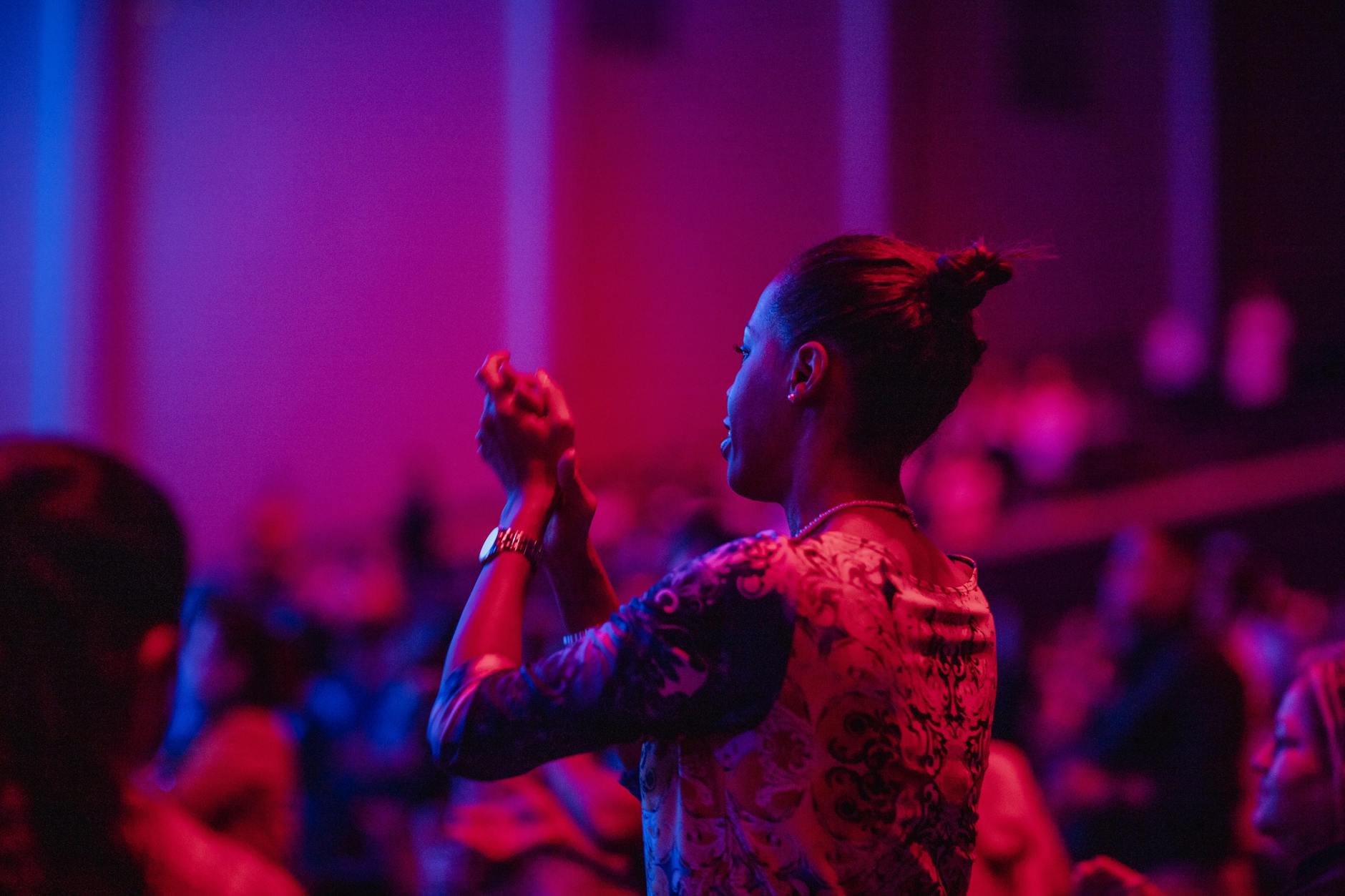
The ritual aspects strengthen this connection. Poetry slams follow established formats with finger snapping instead of applause, time limits that build tension, and scoring systems that engage audiences as judges. These traditions create familiarity and anticipation that transcends individual performances.
Digital Age Performance Skills
Poetry slam training develops performance abilities perfectly suited for digital consumption. Poets learn precise timing, emotional modulation, and physical presence within strict time constraints – skills that translate seamlessly to video content creation. Many slam poets become successful content creators, maintaining relevance between live performances.
The memorization requirement distinguishes slam poetry from other spoken word formats. Performers must internalize their work completely, creating more dynamic, connected presentations than comedians reading from phones or relying on crowd work to fill time. This preparation shows in performance quality that audiences notice and reward.
Comedy clubs often feature performers testing new material, creating uneven experiences. Poetry slams showcase polished pieces developed through months of workshop refinement and previous competition rounds. Audiences receive consistent quality that justifies ticket prices and encourages repeat attendance.
Technical production remains minimal, keeping venue costs low while maintaining intimate atmospheres. Poetry requires only microphones and lighting, while comedy clubs invest in elaborate staging, sound systems, and video production that increase overhead without necessarily improving audience experience.
Industry Response and Adaptation
Entertainment industry professionals are taking notice. Talent agencies now scout poetry slams alongside comedy clubs, signing spoken word artists to representation deals previously reserved for traditional entertainers. Book publishers actively court slam poets for collections and collaborations, recognizing their built-in audiences and marketing abilities.
Television networks experiment with poetry-focused programming. HBO featured slam poets on “Def Poetry Jam” reruns seeing renewed interest, while streaming platforms develop original poetry content. The success parallels broader cultural shifts toward authentic, diverse storytelling that traditional comedy sometimes struggles to provide.
Some comedy venues adapt by incorporating poetry elements into their programming. Mixed format shows combining stand-up with spoken word create hybrid experiences appealing to both audiences. However, these attempts often feel forced, suggesting the movements serve different emotional and social needs rather than competing for the same entertainment dollar.
The trend connects to broader cultural patterns, similar to why local theater groups are seeing their biggest audiences in decades, as people seek meaningful, community-based entertainment experiences over mass-market content.

Poetry slam’s ascendance reflects audiences hungry for authentic connection in an increasingly digital world. Unlike comedy’s emphasis on detachment and irony, poetry slams offer vulnerability and community engagement that resonates with contemporary social values. The format’s democratic nature, combined with its natural adaptation to social media marketing, positions it perfectly for continued growth as traditional entertainment models evolve to meet changing audience expectations.
Frequently Asked Questions
Why are poetry slams more popular than comedy shows?
Poetry slams offer authentic personal narratives and community engagement that resonates more deeply than traditional observational humor.
How do poetry slam attendance numbers compare to comedy clubs?
Many venues report poetry events generating 40% higher ticket sales than comedy nights, with broader age demographics and faster sellouts.