





When the Calendar Fills Up and the Temperature Doesn’t Drop
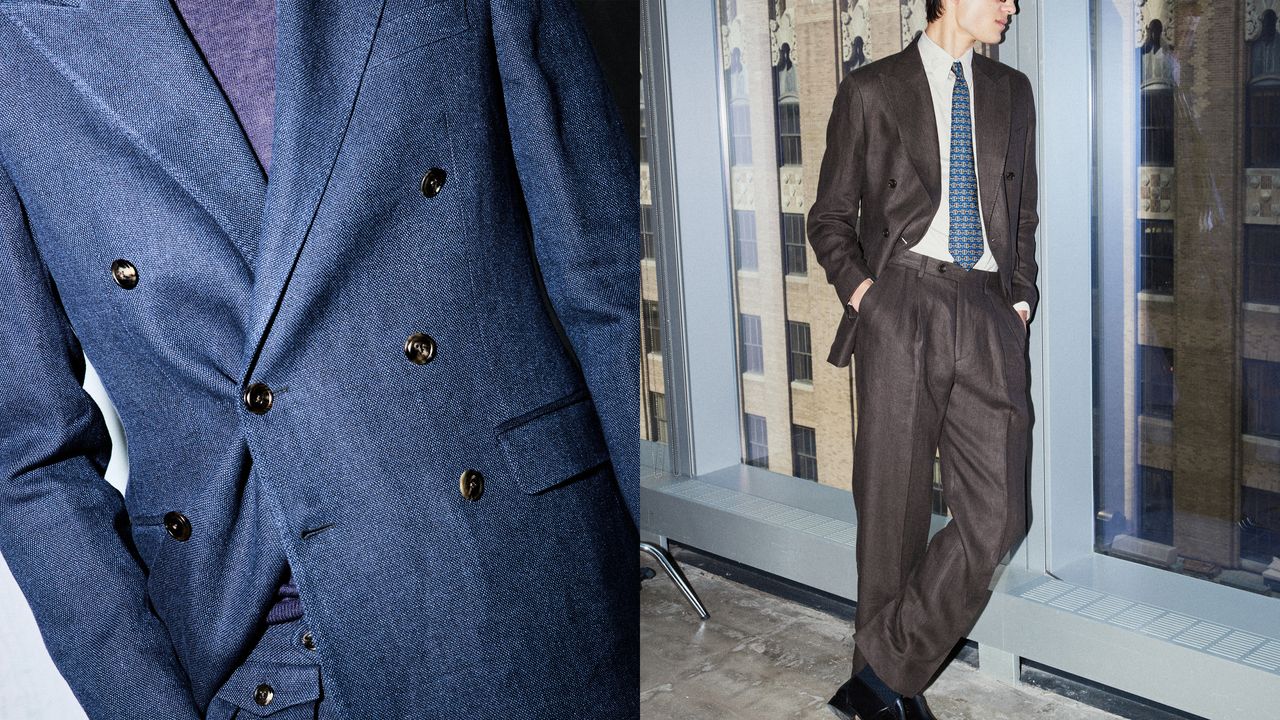
Summer has a particular way of stacking obligations – a wedding in late June, a client meeting in July heat, an outdoor dinner where looking put-together still matters even though the air feels like a warm towel. Most men approach these moments by either overdressing in wool that betrays them by noon, or underdressing in ways they quietly regret by the time they’re in the photos. Linen suits exist precisely in that gap, and GQ editors have spent time narrowing down which ones actually hold up.
The list – eleven picks for 2026, assembled by the GQ editorial team – covers a range of budgets, cuts, and occasions. It isn’t a capsule wardrobe concept or a mood board exercise. It’s a functional answer to a recurring seasonal problem that most men face at least twice between May and September.
What Makes Linen Worth the Investment
Linen has a specific mechanical advantage over most suiting fabrics: it’s woven from flax fibers that are naturally hollow, which allows air to move through the fabric rather than trap body heat against the skin. This isn’t a marketing claim – it’s why linen has been used in warm-climate clothing for centuries, long before performance fabrics existed. In a well-made linen suit, that breathability translates directly into composure. You sweat less visibly, you move more freely, and the suit doesn’t cling the way a synthetic blend does after an hour in a crowded room.
The texture is also doing something aesthetically. Linen’s natural slub – the slight irregularity in the weave – gives it a relaxed visual weight that reads as intentional rather than casual. A crisp navy linen suit doesn’t look like you forgot to iron; it looks like you understand that summer dressing operates under different rules. That distinction matters in rooms where appearance carries social information, from a rehearsal dinner to a boardroom where the dress code has quietly shifted toward smart-casual without anyone officially announcing it.
There’s also a durability argument that gets overlooked. Linen actually strengthens when wet – its tensile strength increases with moisture – which means the fabric holds up under conditions that would quickly degrade a lightweight wool or a cotton-blend alternative. A quality linen suit, cared for correctly, can cycle through multiple summers without losing its structure. For a garment that sits at the intersection of formal and warm-weather dressing, that longevity changes the cost-per-wear math considerably.
Navigating the Market in 2026
The eleven suits flagged by GQ editors span the kind of range that reflects how fragmented menswear retail has become. You can find a serviceable linen suit at a mass-market price point, or you can spend several multiples of that on a made-to-measure option with a longer fiber weave and a house cut that’s been refined over decades. The honest difference isn’t always visible in a thumbnail – it shows up in how the jacket drapes when you move, whether the collar rolls properly, and how the trousers hold their line after you’ve been sitting for two hours.
Fit remains the variable that matters more than price tier. A well-fitted mid-range linen suit will consistently outperform an expensive one that’s too broad in the shoulder or too long in the jacket. GQ’s selections skew toward options where the cut does most of the work – suits where the silhouette is already close to contemporary without requiring significant tailoring intervention.
Color, Occasion, and the Logic of Building a Summer Wardrobe
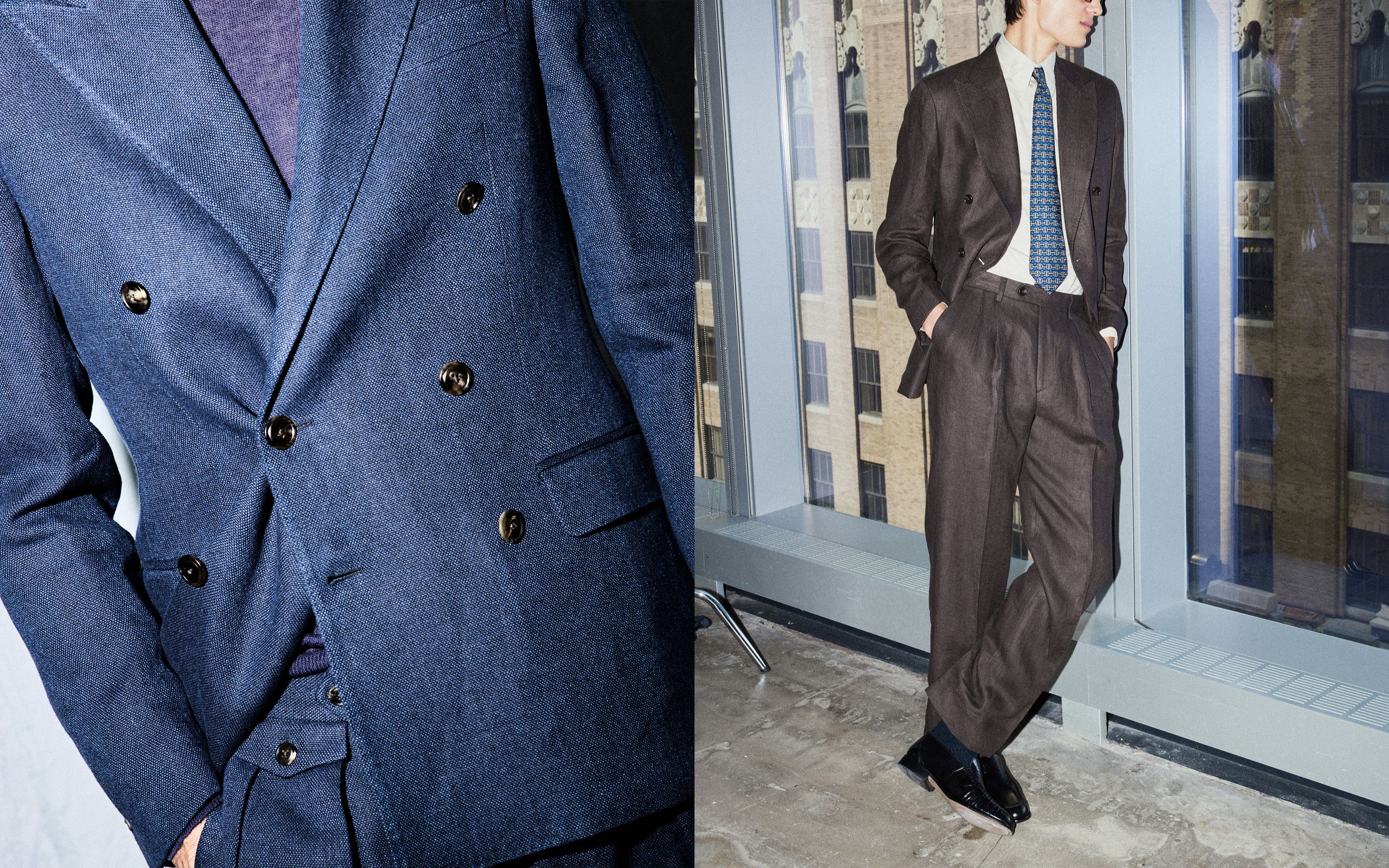
Linen suits photograph well in light tones – stone, ivory, pale sage, sand – and those colors dominate the summer suiting conversation for good reason. They reflect heat rather than absorb it, they pair easily with a wide range of dress shirts and footwear, and they carry the seasonal visual register that makes a warm-weather event feel considered rather than generic. A cream linen suit at a garden wedding signals that the wearer understood the assignment. That kind of sartorial fluency is harder to fake than it looks.
Darker linen options – navy, slate, charcoal – serve a different purpose. They move more easily between formal and less formal contexts, they’re more forgiving of minor creasing, and they work across a longer stretch of the calendar. A dark navy linen suit worn to a late August presentation can be plausibly re-worn into early October in most climates without reading as out of season. That versatility makes the darker palette a stronger investment for someone who wants a single suit to carry multiple occasions.
The question of what to wear underneath matters more with linen than with heavier fabrics, because the suit itself is lighter and the whole outfit is more exposed to the elements. A fine-gauge cotton dress shirt in white or pale blue is the standard pairing because it keeps the visual weight consistent. A linen shirt under a linen suit is a more textured option that some style editors endorse for casual occasions – the double-linen look has enough internal logic to work, but it demands that both pieces fit precisely, otherwise the whole arrangement reads as loose rather than relaxed.
Footwear anchors the register. Loafers – suede or leather – are the default choice because they reinforce the ease of the silhouette without undercutting it. White leather sneakers have become acceptable in enough contexts that they’re no longer a controversial choice with a linen suit, particularly in a social rather than professional setting. What still doesn’t work is heavy footwear: thick-soled boots or chunky athletic shoes create a visual disconnect that the rest of the outfit can’t absorb. The broader shift in professional dress codes has opened up a lot of room in suiting, but proportion still matters – a light fabric suit needs light footwear to maintain its internal consistency.
The Practical Question No One Asks Until It’s Too Late
Linen wrinkles. This is known. What’s less discussed is that linen wrinkles in a way that is either an asset or a liability depending entirely on how the suit is cut and how it’s worn. A suit with strong internal structure – canvas interlining, properly set sleeves – will wrinkle in ways that read as lived-in rather than neglected. A cheaper suit with minimal internal construction will wrinkle in ways that read as poorly maintained. The crease is not the problem; the crease in the wrong place is the problem.
Storage and care are straightforward but specific. Linen suits should be hung on wide, shaped shoulders to maintain their structure between wearings. They should be steamed rather than ironed wherever possible – steam relaxes the fibers without flattening the natural texture that gives linen its visual character. Dry cleaning too frequently will degrade the fabric faster than regular wear; airing the suit out and spot-cleaning is the more sustainable maintenance approach for a garment you’re wearing regularly through a three-month season.
GQ’s eleven picks represent an edited cross-section of what’s actually available in the 2026 market – not a theoretical best-case scenario, but suits you can order and wear before the first real heat arrives. Some will require minor tailoring. Some will arrive fitting close enough to wear immediately. The editors’ selections account for both types, which is probably the more useful framing than a ranked list that pretends any single suit works for every body, every occasion, and every price threshold.
The real editorial judgment isn’t which suit is best in the abstract. It’s which suit is best for a specific version of summer that already has dates on the calendar – and whether you’ve left yourself enough time to do anything about it before the first event arrives in June.