




An Actor, a Producer, and a Global Water Crisis Walk Into a Studio
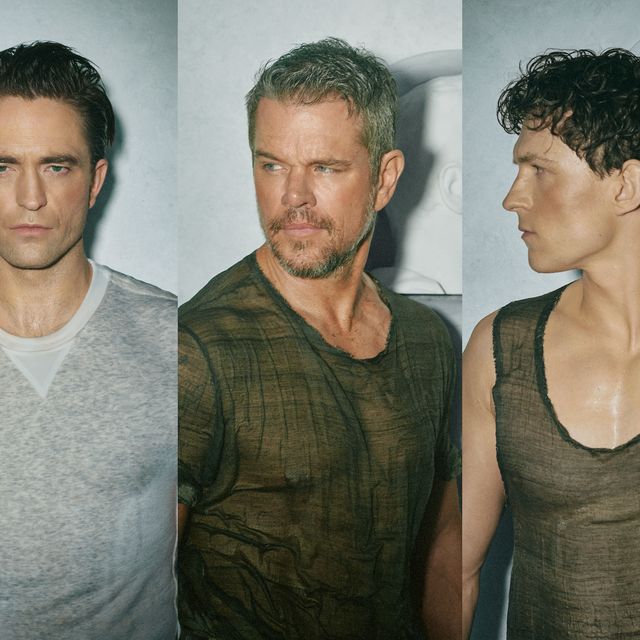
Matt Damon has spent years attaching his name and energy to Water.org, the nonprofit he co-founded to address the drinking water and sanitation crisis affecting hundreds of millions of people in the developing world. He has given speeches, appeared in campaigns, and sat through enough panel discussions to fill a conference center. Now he is rapping.
The occasion is Get Blue, a new initiative built around market-driven funding solutions for clean water access. To draw attention to it, Damon recorded a track with Grammy-winning producer Hit-Boy – not as a vanity project, but as a deliberate attempt to reach audiences that policy briefings and charity galas never will. Whether it works or embarrasses him slightly is, at this point, beside the point.
What Get Blue Actually Is
Get Blue is not a traditional donation drive. The initiative is structured around market-based approaches, meaning it looks to channel funding through financial mechanisms that can scale – loans, investments, and economic models that treat water access as infrastructure rather than charity. The underlying logic is that one-time donations solve one-time problems, while capital markets can sustain systems over decades.
Water.org, the organization behind the push, has operated on this philosophy for years. Co-founded by Damon and Gary White, it has worked in countries across Africa, Asia, and Latin America, where the infrastructure gap around safe water and sanitation remains enormous. Get Blue is the newest vehicle for that work, and it arrives with a promotional strategy that is – to put it plainly – unusual for a water nonprofit.

Hit-Boy, The Odyssey, and the Logic of Celebrity Reach
Hit-Boy is not a random collaborator pulled from a list of willing musicians. He is one of the more decorated producers working today, responsible for beats across major albums and a consistent presence at the top of hip-hop. Getting him into the studio with Damon signals that whoever is running the creative side of Get Blue is thinking about cultural surface area, not just press releases.
Damon, meanwhile, is coming off The Odyssey, keeping his name active in entertainment coverage in a way that makes a music crossover feel less random than it otherwise might. The timing is deliberate. A film press cycle creates access to media platforms and audiences that a nonprofit announcement alone would never reach, and folding the Get Blue campaign into that momentum is a straightforward – if unconventional – communications strategy.
There is also something worth noting about the specific choice of rap as a medium. Hip-hop has a long history of artists using the format to raise awareness around systemic issues – poverty, housing, political disenfranchisement. Dropping an actor into that tradition is awkward by definition, but it is not without precedent. Celebrities have pushed into music for causes before, and the metric that matters is not critical reception but whether the clip travels far enough to make someone Google “water crisis” at 11 p.m. on a Tuesday.
The risk, of course, is that the rap overshadows the message. Damon in a booth with Hit-Boy is inherently a more clickable story than the mechanics of water financing in sub-Saharan Africa. The campaign is betting that people will click through on the novelty and stay for the substance – a wager the internet has not historically rewarded, but one that is hard to avoid making when your subject matter does not generate organic viral engagement on its own.
Style, Visibility, and the Currency of Discomfort
From a pure style and culture standpoint, there is something worth examining in what Damon is willing to do here. Actors of his stature typically protect their image with some care – they do not rap in public unless they have calculated that the cause justifies the exposure. That calculus is its own kind of statement. It says the water crisis is serious enough to absorb whatever awkwardness comes back.
It also fits a pattern of public figures treating discomfort as a form of credibility currency. Showing up willing to be imperfect, to do something outside your lane in front of a large audience, functions as proof of commitment in an era when polished celebrity advocacy gets dismissed almost immediately. A well-produced PSA with Damon looking gravely into a camera would generate far less coverage than this.
The Bigger Number Behind the Booth
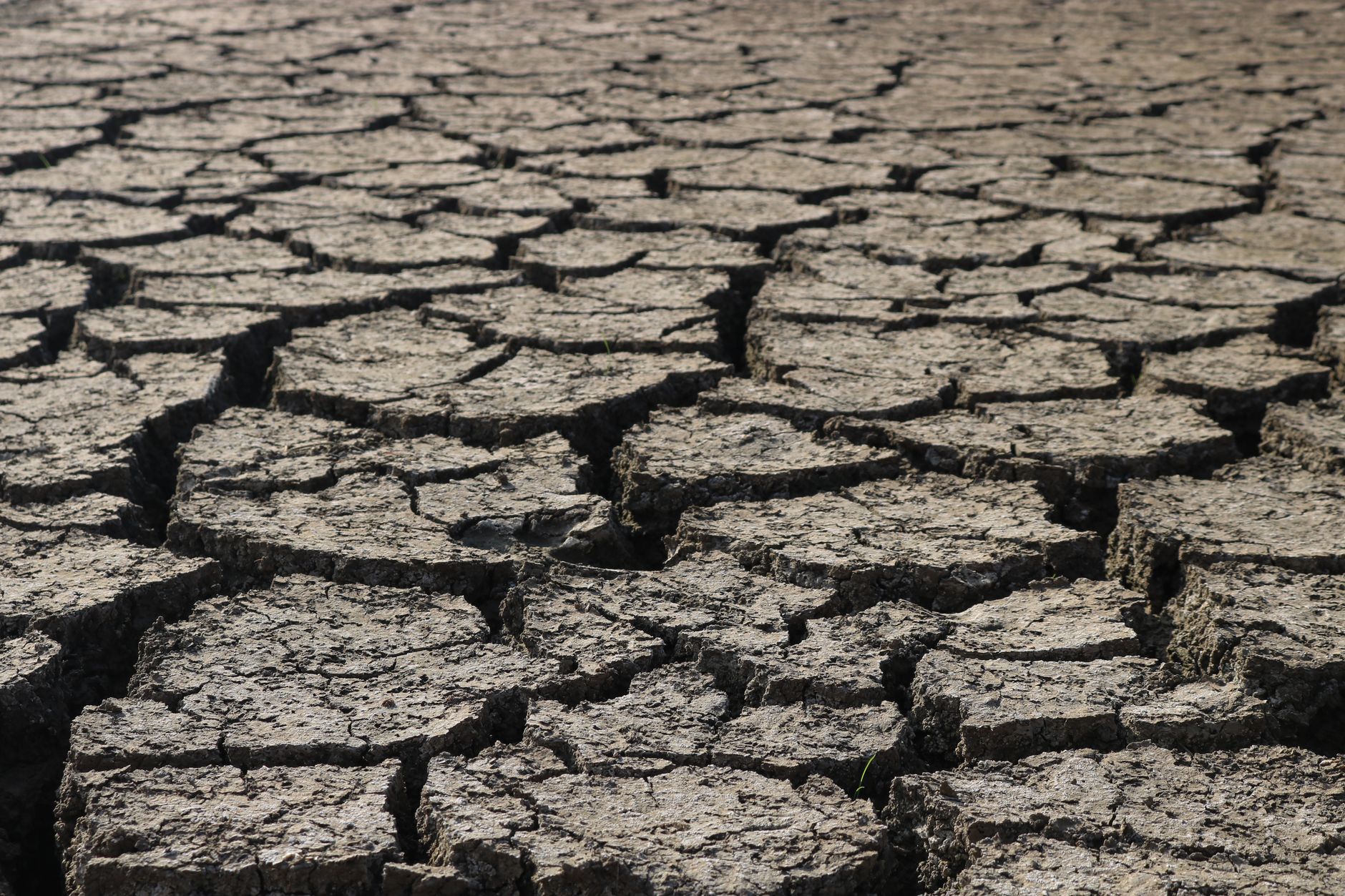
The details that get buried under the novelty angle are the ones that actually matter. Water.org and its affiliated organizations have worked toward a goal of reaching hundreds of millions of people lacking reliable access to safe water – a figure the UN and public health organizations have documented extensively. The funding model that Get Blue promotes is designed to make that scale achievable without requiring an equivalent scale in charitable giving, which has hard limits on how far it can reach.
Market-driven water solutions are not a new concept, but they remain underfunded relative to the scope of the problem. Get Blue is attempting to change the profile of that funding gap, using whatever combination of actor credibility, hip-hop production, and press cycle timing it can assemble to do so. Damon recording a rap track is the most visible corner of a financial and logistical structure that is considerably less photogenic – which is precisely why the track exists in the first place.
What remains to be seen is whether Get Blue can hold attention past the initial news cycle, or whether the initiative becomes a footnote to the curiosity of watching a famous actor try something that clearly makes him uncomfortable. Hit-Boy’s involvement guarantees the production quality. It does not guarantee that anyone who streams the track will know what a water credit is, or why it matters, by the time the song ends.