



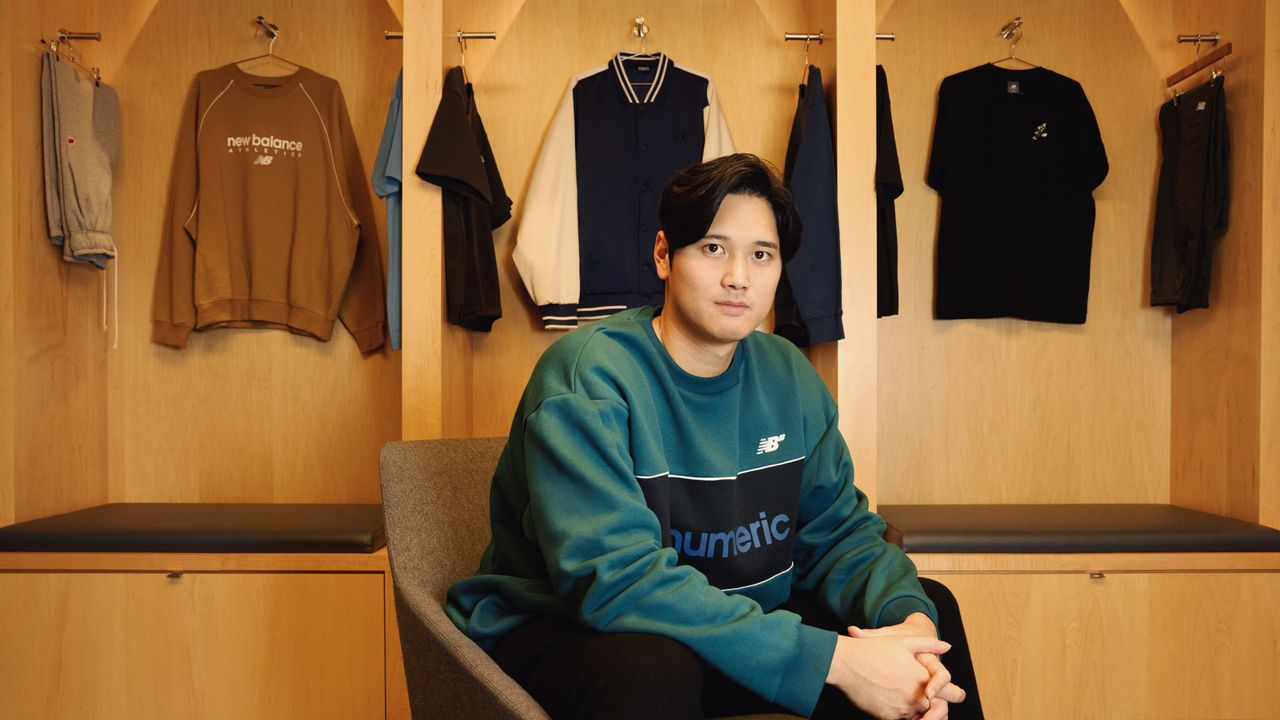
Shohei Ohtani has chosen his shoe company, and he does not plan to choose another. The Dodgers star has committed to New Balance, his longtime sportswear sponsor, through the end of his playing career, according to an exclusive in GQ.
The reason he gave is short on corporate language. “There’s a lot of trust,” Ohtani told the magazine. “They understand what I want.” He did not mention reach, product lines, or a campaign. He talked about being understood, which is an unusual thing to prize in a sponsor.
A deal measured in seasons, not years
Most athlete endorsements run on a calendar. They last a set number of years, come with option periods, and invite a round of renegotiation or a bidding war when the term expires. Ohtani’s agreement skips that rhythm. Its endpoint is the day he stops playing, a date that neither he nor the company can write down in advance.
That open-endedness is the notable part. A fixed term lets both sides hedge. If a player’s performance slips, the brand can walk away, and if a rival offers more, the player can too. Tying the deal to a career means each side accepts the uncertainty of the other’s future. New Balance is betting on how long Ohtani stays relevant, and Ohtani is betting that no other logo will offer him something he can’t already get.
The headline details do not include a dollar figure, so the financial side stays out of view. What is on the record is the structure: a sponsor he already knew, a commitment with no expiration date, and a stated reason that has nothing to do with money.
Why “trust” is the telling word
Ohtani is a player whose public image is built on restraint. He is not known for theatrics, and his quote fits that. “They understand what I want” suggests a relationship where preferences were stated, heard, and met without a long negotiation each time. For an athlete who plays at the highest level and answers to a lot of people, a partner who needs no explanation is a real convenience.
It also says something about what he is not asking for. He did not describe New Balance as the biggest brand or the most generous one. He described it as the one that gets him. Whether that reflects footwear, apparel, scheduling, or simply how the company treats him, he left unsaid. The vagueness may be deliberate, since “trust” covers a lot of ground without handing anyone a headline.
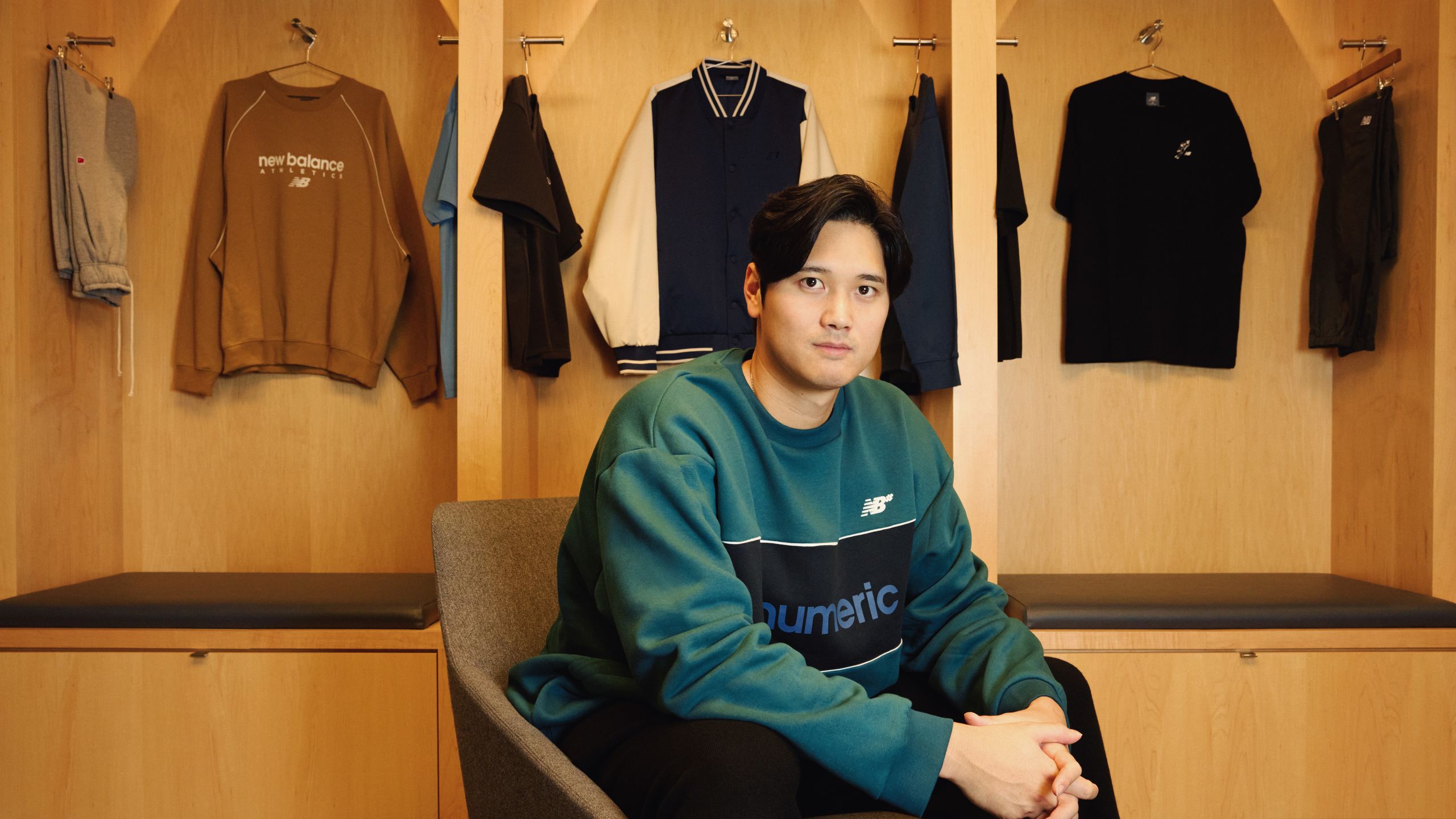
What loyalty looks like in the sneaker business
Sneaker culture runs on novelty. Collaborations drop and sell out, signature lines launch with fanfare, and athletes move between brands with a regularity that fans have learned to expect. In that environment, a player who commits for life stands out for the simple reason that he has taken himself off the market. There is no free-agency drama to follow and no rumor cycle about where he might land next.
That stability has its own value for a company. A long-term relationship lets a brand build design and storytelling around one person without worrying that the investment will walk away at the end of a term. For the athlete, it means the shoes on his feet and the name attached to them stay consistent across the years in which he is most visible. Consistency, in style as in baseball, is easy to underrate until someone gives it up.
There is a quieter reading, too. Plenty of athletes sign with whoever pays most, and fans accept that as the norm. When a player of Ohtani’s stature publicly cites trust over price, it changes how the deal reads. It looks less like a transaction and more like a partnership, whether or not the commercial reality is any different. That perception is worth something to the brand, and Ohtani has handed it over freely.

Ohtani did not say what he wants from New Balance, only that they already know. For a deal that runs until he retires, that may be the whole point: neither side needs to put it in writing, and the one detail he chose to share is that he never has to ask twice.