





A Revolution Reconsidered
The American Revolution has long been framed as a homegrown uprising – colonists pushing back against a distant crown, drawing on local grievances and local courage to build something new on their own soil. That story is tidy, patriotic, and, according to a new book by Danielle Allen, possibly incomplete.
Allen’s Radical Duke makes the case that the ideological and financial engines driving American independence were not entirely American at all. The argument centers on a rowdy English nobleman whose influence, Allen contends, stretched across the Atlantic in ways that conventional histories have consistently underweighted.
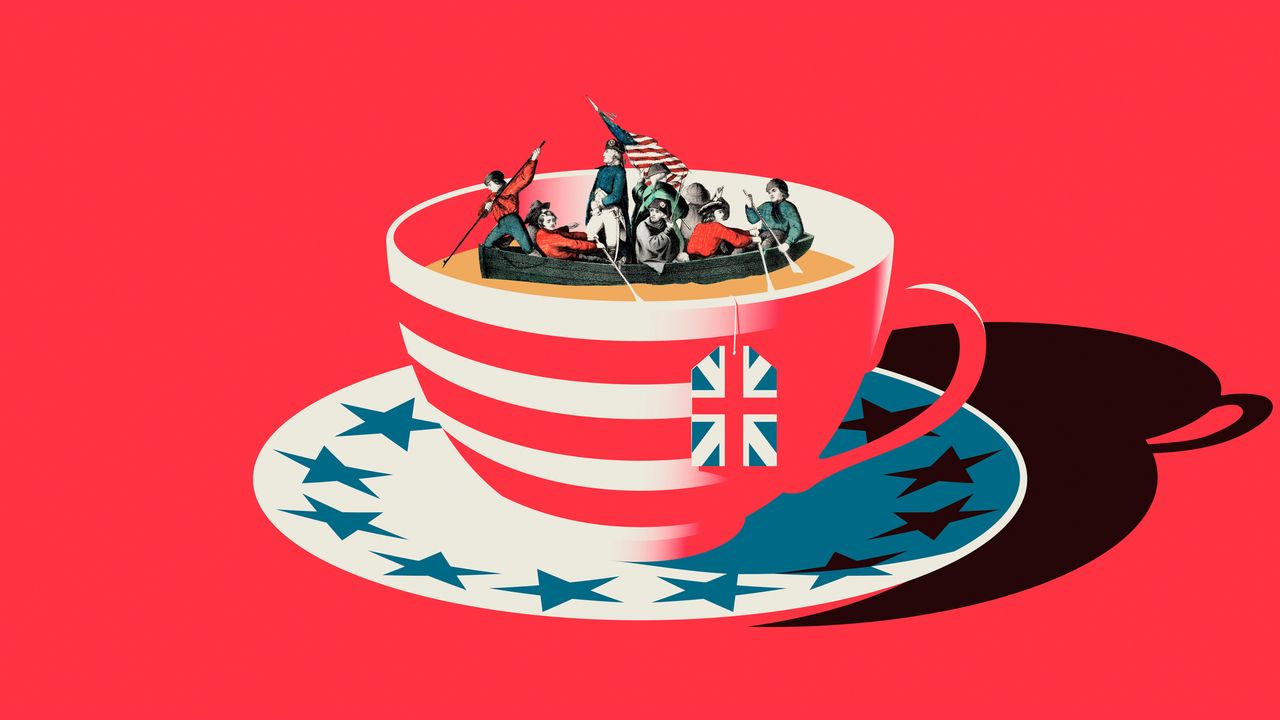
The Transnational Thread
What Allen is challenging is not the bravery of the colonists or the legitimacy of their cause – it’s the geography of the cause’s origins. The revolution, in her reading, was propelled by a transnational elite operating an ocean away from the battles at Lexington, Concord, and Yorktown. Power, money, and radical political thought moved through aristocratic networks that had little interest in staying neatly within national borders.
This framing matters because it shifts the center of gravity. If the intellectual and material scaffolding of independence was partly assembled in English drawing rooms and by English radicals with their own axes to grind against the Crown, then the story of 1776 becomes something stranger and more complicated than a clean break from the Old World. It becomes, in part, a product of the Old World’s own internal fractures.
Who Was the Radical Duke?
Allen’s title character is an English nobleman – rowdy, by her own description – whose radicalism was not incidental to his class but somehow grew alongside it. English aristocratic radicalism in the eighteenth century was not uncommon; there were lords who genuinely despised the consolidated power of the monarchy and found common cause with Whig opposition politics, dissenting religious movements, and eventually with the colonial grievances brewing across the water. That an aristocrat could become a genuine agitator for revolutionary ideas is less paradoxical than it sounds when you consider how much the English ruling class was itself divided.
The specific claims Allen makes about this duke’s role in masterminding or materially supporting the American cause represent the book’s boldest historical intervention. Historians have long acknowledged that English sympathizers existed – figures like Edmund Burke argued against the war in Parliament – but Allen appears to be arguing something more direct: not just sympathy, but active propulsion.
That distinction is significant. Sympathy is passive; it leaves fingerprints on speeches and pamphlets. Masterminding leaves fingerprints on money, on strategy, on the timing of ideas reaching the right people at the right moment. Whether Allen’s archival evidence fully supports the stronger claim is a question reviewers and historians will be pressing for some time.
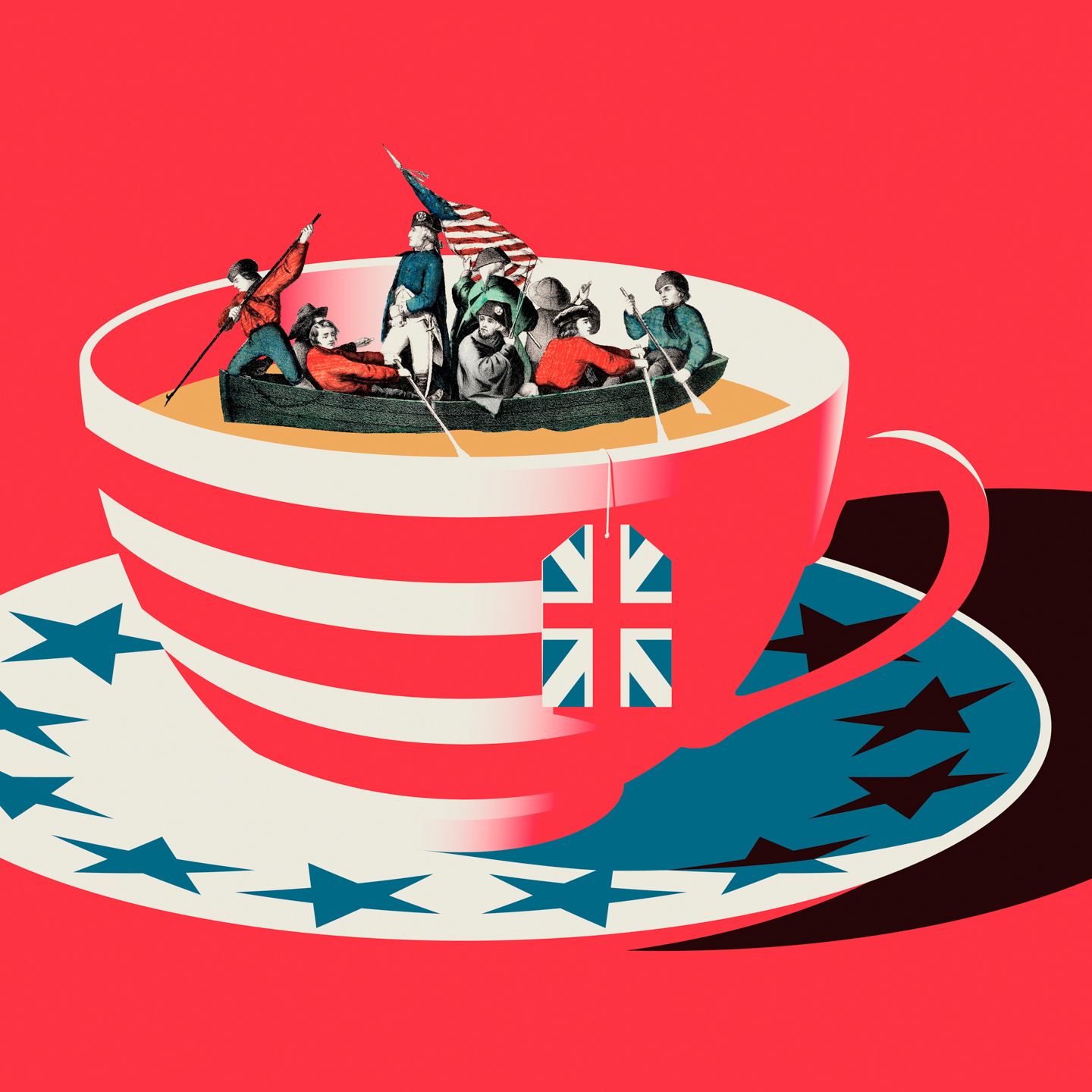
The book arrives at a moment when origin stories – national, cultural, political – are being subjected to renewed scrutiny. Pulling on the transnational threads of the American founding is not a new scholarly impulse, but Allen brings to it a particular combination of political philosophy and historical research that makes her intervention harder to dismiss than most. She has previously written on the Declaration of Independence itself, which means she is not arriving at this subject cold.
What’s at Stake in the Argument
Reframing the revolution as partly the work of a transnational elite carries implications that go beyond academic historiography. American national identity has, for two and a half centuries, drawn significant force from the idea that independence was earned by Americans – that the founding was an act of self-determination in the most literal sense. Introducing a powerful foreign actor as a driving force does not invalidate that identity, but it does complicate the clean lines of it.
There’s also a class dimension that Allen’s framing surfaces. If the radical energy came partly from English aristocracy – from someone with wealth, connections, and no personal risk from British colonial policy – then the revolution looks less like a popular uprising and more like a conflict in which ordinary colonists were, at least in part, instruments of an elite dispute they did not fully control. That’s a more uncomfortable story, and probably a more accurate one.
Danielle Allen’s Broader Project
Allen, a political philosopher and Harvard professor, has built her career at the intersection of ancient democratic theory and American political thought. Her previous work on the Declaration of Independence – arguing that the document’s famous second paragraph contained a period inserted in later printings that fundamentally altered its meaning – showed her willingness to make granular archival claims with large philosophical consequences. Radical Duke appears to be working in the same register, using a single figure to reopen much larger questions.
The New Yorker review of the book, published in the June 15, 2026 issue, frames Allen’s argument around the idea that America’s fight for independence was propelled by a transnational elite an ocean away – a characterization that suggests Allen is making a structural argument about networks and class, not merely a biographical one about one eccentric lord. The duke is the entry point, not the whole thesis.
Which raises the question the book will likely leave its readers sitting with: if the American Revolution needed a rowdy English nobleman to become what it became, what exactly were the colonists fighting for – and for whom?