




Three Poems That Refuse to Let Go
Mike Bove’s three prose poems, published at Electric Literature, arrive without fanfare and leave the reader holding something unexpectedly heavy. They are short pieces – the kind that fit on a single screen – and they carry the specific weight of experiences that have been turned over for years before being written down. Owls, sparrows, a seal pup on a Maine beach in 1983: the animals are real, the grief is real, and the distance between the two is where the poems live.
What holds the three pieces together is not theme so much as posture. Each poem positions a speaker near something small and vulnerable – a frozen bird, a Latin name, a frightened pup by the rocks – and refuses the comfort of resolution. Bove doesn’t explain what any of it means. He just places you there.
The Owl in the Freezer
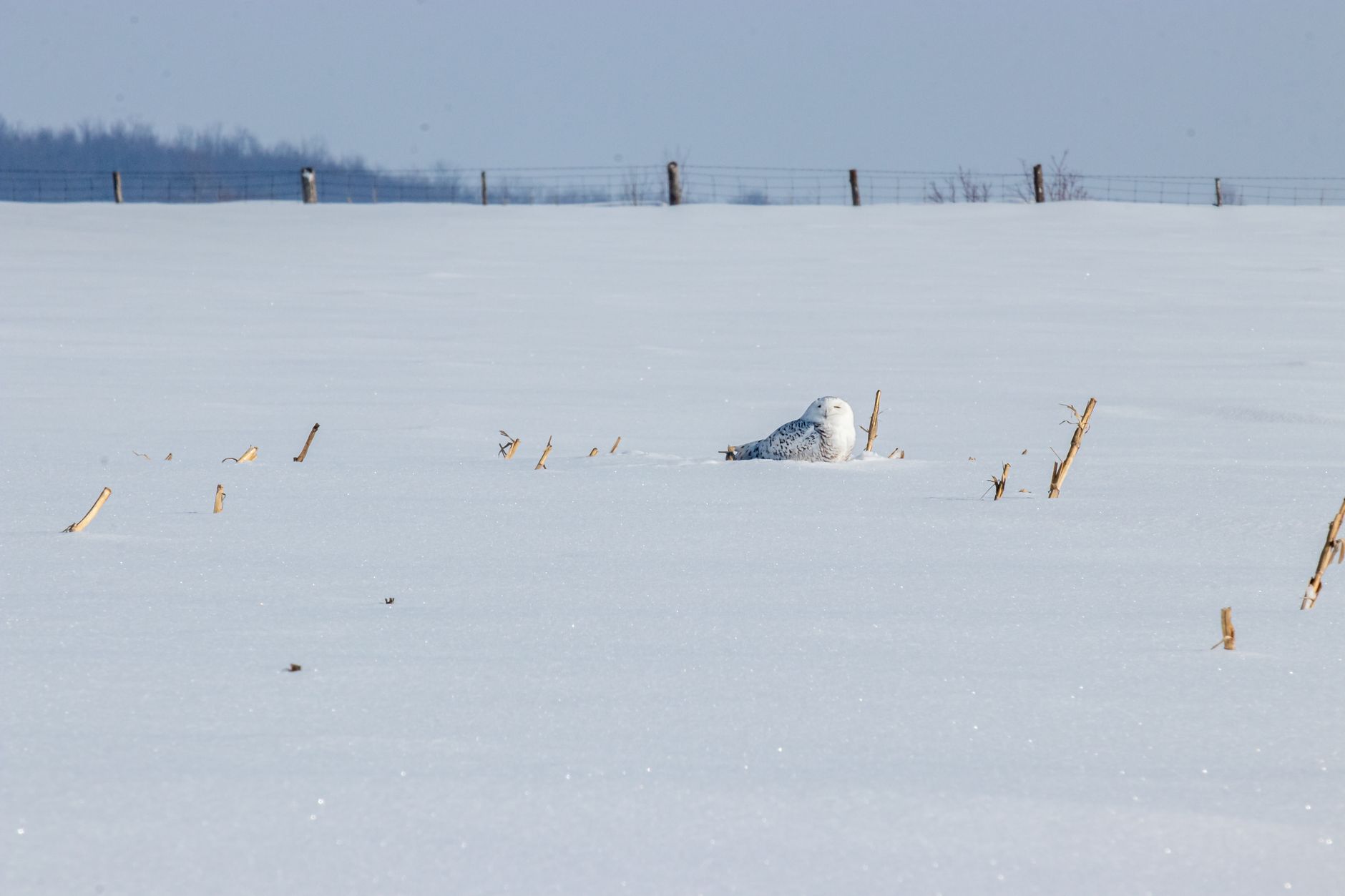
The first poem, “Our Bodies Are Owl Bodies,” opens with the speaker’s mother walking through a winter storm and finding a dead saw-whet owl face-up in the snow. Saw-whet owls are among the smallest North American species, frequently hunted by larger owls, and their eyes, Bove notes, are like “pooled oil coiled with gold.” The mother kneels. The owl isn’t breathing. She picks it up.
What she does next is what the poem turns on. She calls the Audubon Society to ask whether a taxidermist might preserve it for educational use. The answer is no: as a protected species, no taxidermist would legally touch it. The owl genus Aegolius – saw-whets belong to it – derives from the ancient Greek for bird of ill omen. She wraps the bird in cloth and puts it in the freezer, where it rests beside ice cream and frozen meat for years. She had theories, the poem tells us, about the power of cold.
Running beneath the owl’s story is the mother’s own: years between stints in rehab, winter walking as a necessary ritual, freezing weather as a balm. A decade passes. She leaves rehab again. It doesn’t take. The phone rings and she can barely speak. Hot summers. A divorce. A move north. When the speaker goes to help clean out her things, he finds the owl still there, unwraps the cloth, and holds it – “soft and cold. Like holding snow.” The mother is later found senseless on the lawn by neighbors, sprawled drunk on the driveway in the July sun.
Then Bove does something formally unexpected. He stops the poem, issues an instruction – “Forget this” – and offers a different frame entirely: see her instead standing silent beneath trees in the storm, feathered bundle in her arms, mittens dusted with ice. “See her like this only: one body sheltering another.” It’s one of the most quietly devastating moves in recent prose poetry – not denial, exactly, but a deliberate act of preservation, like the freezer itself. The speaker is not asking you to forget the lawn. He is asking you to also hold the storm.
A Name That Outlasts the Person
The second poem, “Sparrows,” begins at a museum. The speaker is there with his kids and a friend, their children in the same grade. A limestone fragment bears hieroglyphics that include, according to the placard, a sparrow – one of the oldest known uses of the image, though the connotations in Egyptian inscription were rarely positive. The bird’s Latin name is Passer domesticus. They live on every continent except Antarctica.
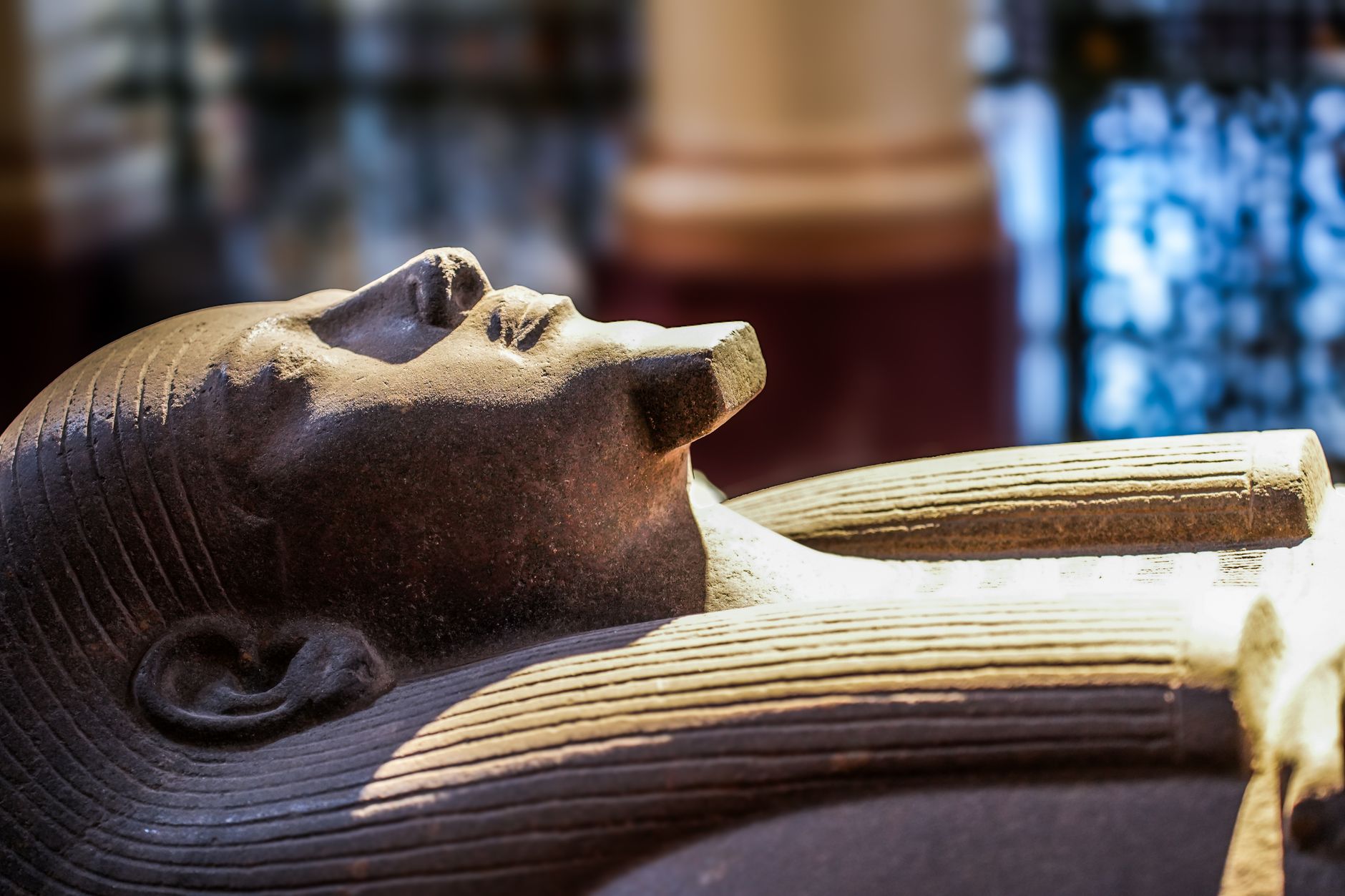
The friend, the poem gradually reveals, is dying. The speaker knows this at the museum; the friend does not yet. In three years, a text will arrive saying he has four months, maybe five. After that, emails will go unanswered. His wife will eventually send an obituary. The poem holds both timelines at once – the museum afternoon and the future already written – without announcing the shift. One sentence describes a sarcophagus shimmering in a glass case. The next says: “You don’t yet know cancer is nesting behind your eyes.”
Bove pulls in an ornithologist who listened for sparrow song in old movies to track the birds’ historical presence across time. The Egyptians, a placard explains, believed that remembering a name after death ensured safe passage to the afterlife. The speaker says he’ll never forget the friend’s name, or the sparrow’s Latin one. The children flit to the next display before the adults finish reading. The friend says: “There’s so much I don’t know. All the names, I wish I had a hundred lifetimes.” The light in the museum is described as “feathered gold.” Jewels glint everywhere. Prose fiction sometimes holds its silences exactly like this – packing the unbearable into ordinary afternoon light, letting the reader feel the weight without being told to.
What makes “Sparrows” work is its refusal to collapse into elegy. The poem stays at the museum. The children are calling from around a corner. The sarcophagus shimmers. The speaker reads placards and leans in close. Grief here is not an interruption of the afternoon – it is its texture.
A Seal Pup in the Rain
The third poem, “Maine Coast, 1983,” is the shortest and the most compressed. Late May or early June. The speaker’s father takes him to the ocean when things are hard at home – hard enough, the poem says, to make the ocean feel small by comparison, “so close and like my father owned it.” The mother is home drinking away “disquiet.” It is best to leave early.
They find a seal pup by the rocks, white against the gray, and the father stops and kneels and holds out his hand in a gesture that means: Look. The poem asks whether this is the moment the speaker learned beauty – or pity, or sorrow. Fear he already knew. He saw it flash in the seal’s dark eyes as rain gathered behind them. Then the wind again, and the pup gets spooked.
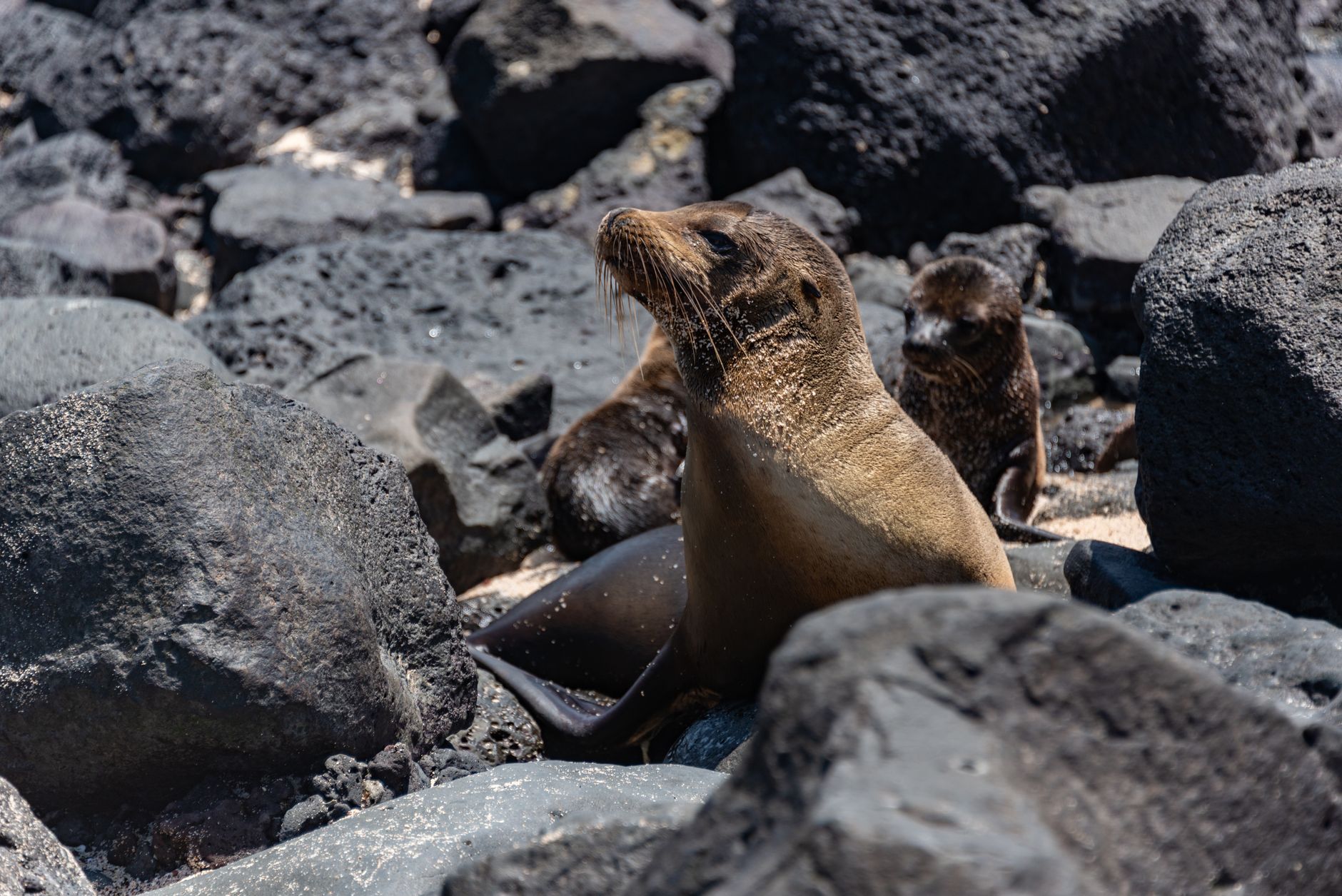
The poem ends there, mid-motion, the sentence unfinished. The pup gets spooked – and then nothing. No resolution, no retreat to the car, no accounting for what the father said or did next. It is a structural choice that mirrors what early childhood fear actually feels like: the moment of alarm is total, and what comes after is blurred. The whole poem is eight sentences built around a single image of a man kneeling on a beach, his hand extended, rain moving in, his son standing beside him watching something wild and frightened that cannot be held.
Across all three poems, Bove circles the same problem: what do you do with a thing too beautiful, or too painful, or too alive to know what to do with? The owl goes in the freezer. The friend’s name goes into Latin. The seal pup goes wherever frightened animals go. What stays is the speaker on his knees, or leaning in close, or standing in the cold – still looking, even after the thing has gone.