



Basketball, Unfiltered
Courtney Williams and Natisha Hiedeman were never going to wait for a camera crew to tell their story. The two WNBA players – partners on and off the court, known collectively to their fanbase as the Studbudz – have built something genuinely rare in professional sports: a direct, unmediated window into what life in a women’s basketball league actually looks like, streamed live and deliberately, gloriously messy.
The livestreams are not polished. They are not scripted. They are exactly the kind of all-access chaos that sports media departments spend thousands of dollars trying to manufacture, except Williams and Hiedeman produce it themselves, with phones and personality and zero apparent regard for whether the league’s marketing team would approve.
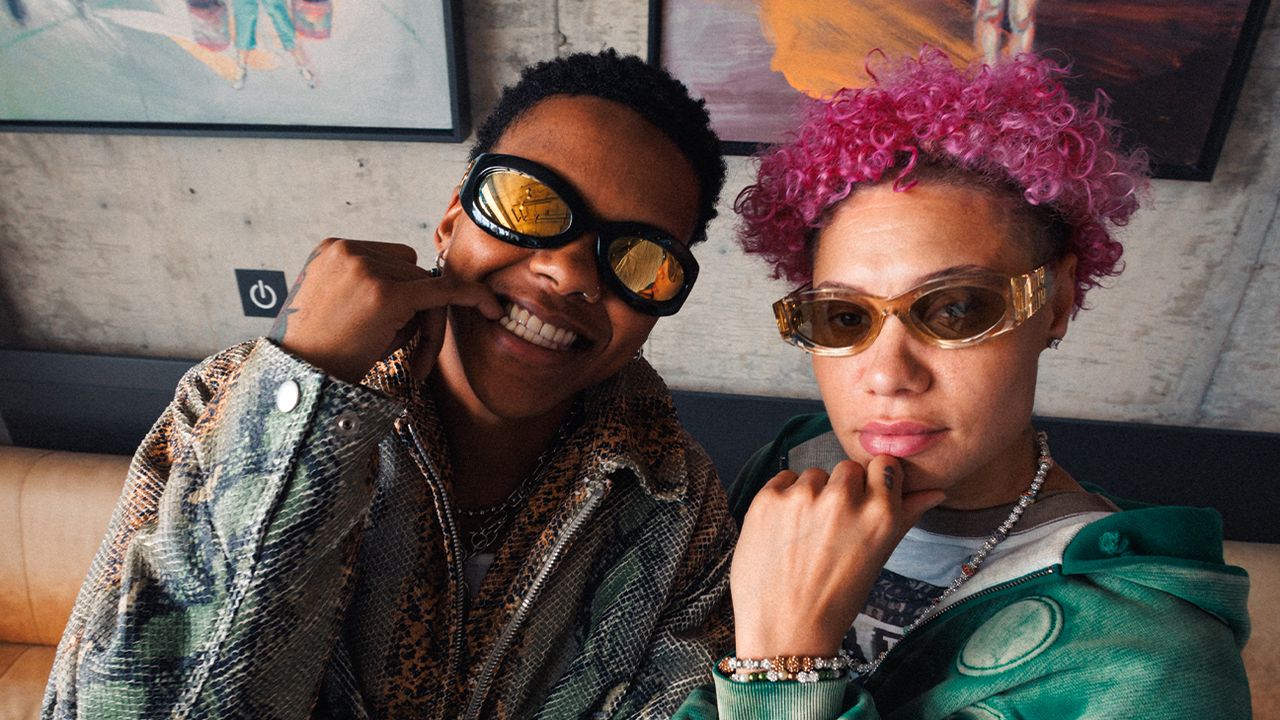
What the Studbudz Built
Women’s sports coverage has a well-documented access problem. Broadcast time is limited, beat reporters are few, and the behind-the-scenes texture of a season – the locker room energy, the road trip boredom, the relationships that give a team its character – rarely makes it to any audience. Williams and Hiedeman found the gap and walked straight through it. Their livestreams function less like content and more like an open invitation: pull up a chair, this is what we’re doing right now.
The audience that responded is not just casual scrollers stumbling onto basketball by accident. Longtime WNBA fans – people who have followed the league for years, who know the rosters and the stats and the playoff histories – have said publicly that the Studbudz streams show them something they have never seen before. That detail is worth sitting with. These are not new fans being introduced to the sport. These are informed viewers discovering a dimension of it that traditional coverage never reached.
What Williams and Hiedeman offer is not analysis or highlight packages. It is presence. The streams capture the kind of unguarded moments that make athletes feel like actual people rather than promotional assets – banter, disagreement, laughter, the comfortable shorthand of two people who know each other well. That intimacy is the product, and it travels.
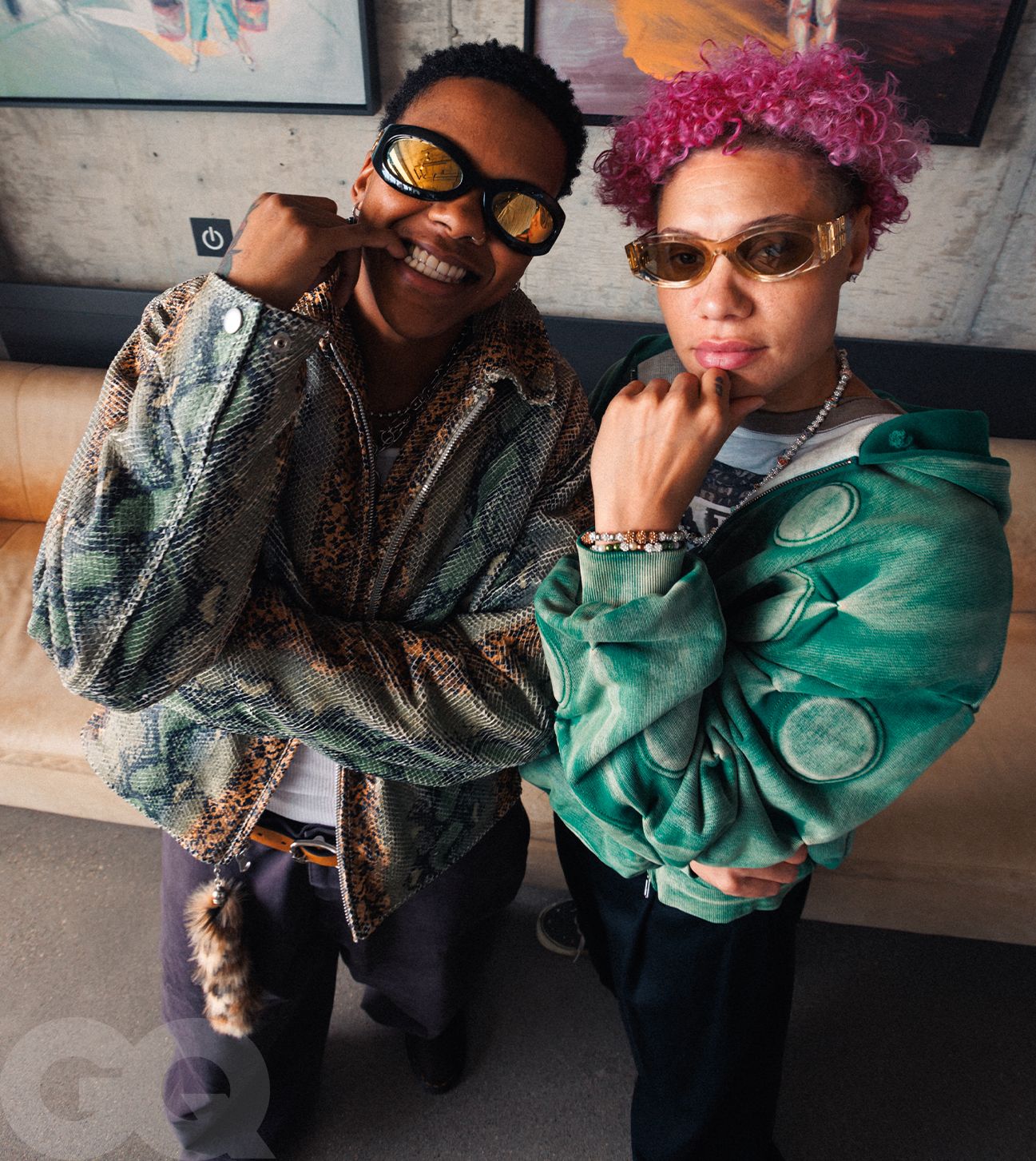
Style as Identity
The Studbudz phenomenon is also a style story. Williams and Hiedeman move through their public lives with a visual confidence that reads clearly on camera – the kind of personal aesthetic that does not require explanation or a stylist’s credit. Their image is specific enough to have earned a nickname that stuck, and a fanbase that treats that nickname like a brand. In women’s sports, where athletes have historically had far less infrastructure around their personal images than their male counterparts, that kind of self-constructed visibility is significant.
The cultural moment around women’s basketball right now is generating attention that the league has not seen at this scale before. Viewership numbers are climbing. Names from the WNBA are crossing over into mainstream sports conversation with a regularity that would have seemed unlikely even three or four years ago. Williams and Hiedeman did not cause that shift, but they are clearly positioned inside it – and their particular approach, raw and direct and deeply personal, offers something different from the more conventional paths to visibility.
Changing the Public Face of Women’s Basketball
The phrase “changing the public face” of a sport is easy to reach for and hard to actually mean. In this case it points at something specific. The public face of women’s basketball has long been controlled by the same narrow set of mechanisms – league broadcasts, press conferences, official social channels – and the image those mechanisms produce is inevitably managed and partial. What Williams and Hiedeman are doing is different in kind, not just degree.
They are not circumventing media so much as making it themselves. The distinction matters because it changes who decides what gets shown. A player giving a postgame interview is answering questions someone else chose to ask. A player running a livestream while doing whatever they were going to do anyway is setting every term of the encounter. Williams and Hiedeman have chosen the second option consistently enough that it now defines how a significant portion of their audience relates to women’s basketball as a whole.
The reach of that choice extends past their own profiles. When longtime fans say they are seeing a side of the league they have never seen, they are not describing a marketing win. They are describing an information gap that existed for years – a gap between what was actually happening inside the WNBA and what the available coverage showed – that two players with phones decided to close themselves.
For the league, the Studbudz represent a test case without a clean answer. Organic, athlete-driven visibility is exactly what a sports property wants, and also exactly the thing that cannot be manufactured or replicated on command. Williams and Hiedeman built their audience through accumulated presence, through showing up consistently in a format that rewards authenticity over production value. Another pair of players could attempt the same approach tomorrow and get completely different results.
Which raises the real question sitting underneath the Studbudz story: what happens to a league’s public image when the most vivid version of it is being written by the players themselves, in real time, without a safety net?