





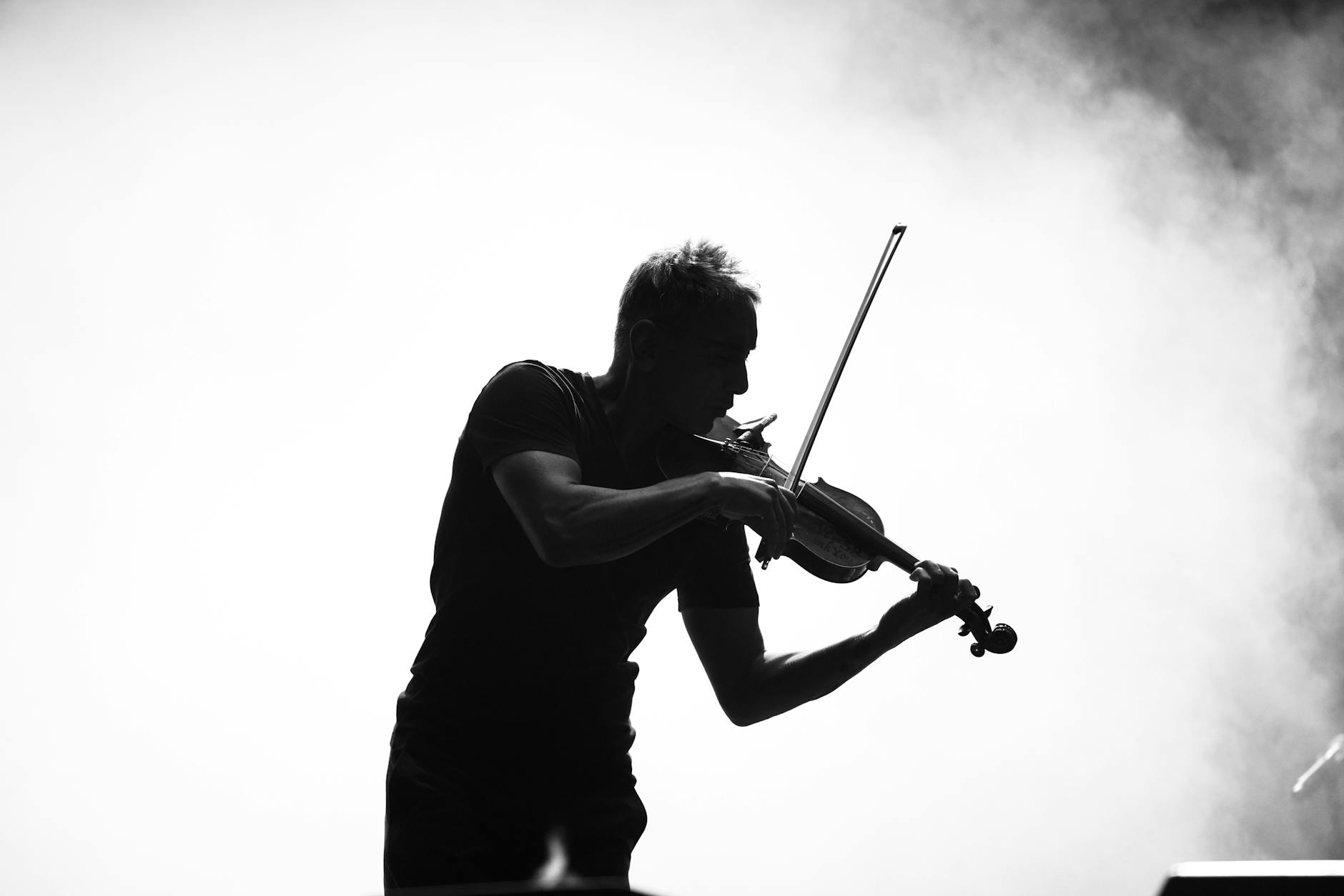
Violinist Hilary Hahn’s appearance at Coachella 2023 marked a seismic shift in festival culture. Standing before a crowd more accustomed to electronic beats and indie rock, she delivered Bach’s Partita No. 2 with the same reverence typically reserved for headlining acts. The audience, initially skeptical, found themselves mesmerized by the precision and emotion of classical performance in an outdoor setting.
This crossover represents more than a single booking decision. Major music festivals across the country are increasingly programming classical musicians alongside traditional festival acts, creating unexpected synergies that challenge both genres’ conventional boundaries. From Bonnaroo to Outside Lands, classical artists are finding new audiences while festival organizers discover that orchestral performances can create moments of profound contrast that enhance the overall festival experience.
Breaking Down Genre Barriers
The festival circuit has evolved dramatically from its folk and rock origins. Today’s audiences expect diverse programming that reflects their eclectic listening habits. Streaming platforms have already demonstrated this reality – playlists routinely blend genres that once seemed incompatible. Festival programmers are responding to these consumption patterns by booking acts that create surprising juxtapositions.
Yo-Yo Ma’s cello performance at the Newport Folk Festival demonstrated this approach perfectly. His rendition of traditional folk melodies alongside contemporary compositions created a bridge between classical technique and folk tradition. The performance drew one of the festival’s largest crowds, with many attendees discovering classical music through this accessible entry point.
Similar crossovers are happening at electronic music festivals. The London Symphony Orchestra’s collaboration with electronic artists at movements like Dekmantel has shown how classical instruments can enhance electronic compositions while introducing orchestral music to dance music audiences. These partnerships create new sonic possibilities that neither genre could achieve independently.
The Streaming Generation Embraces Concert Halls
Younger audiences, raised on algorithm-driven discovery, approach music without the genre limitations of previous generations. They’re equally likely to have Beethoven and Billie Eilish in their libraries, making classical festival programming a natural extension of their listening habits rather than an anomaly.
This demographic shift has created opportunities for classical musicians to reach audiences outside traditional concert halls. Pianist Lang Lang’s festival appearances consistently draw younger crowds who might never attend a symphony hall performance. His ability to explain musical concepts between pieces while maintaining artistic integrity has become a model for other classical artists entering the festival space.
The visual component of festivals also benefits classical performance. String quartets performing against sunset backdrops create Instagram-worthy moments that generate social media engagement far beyond typical classical music promotion. These performances become shareable experiences that introduce classical music to social networks where it rarely appears.
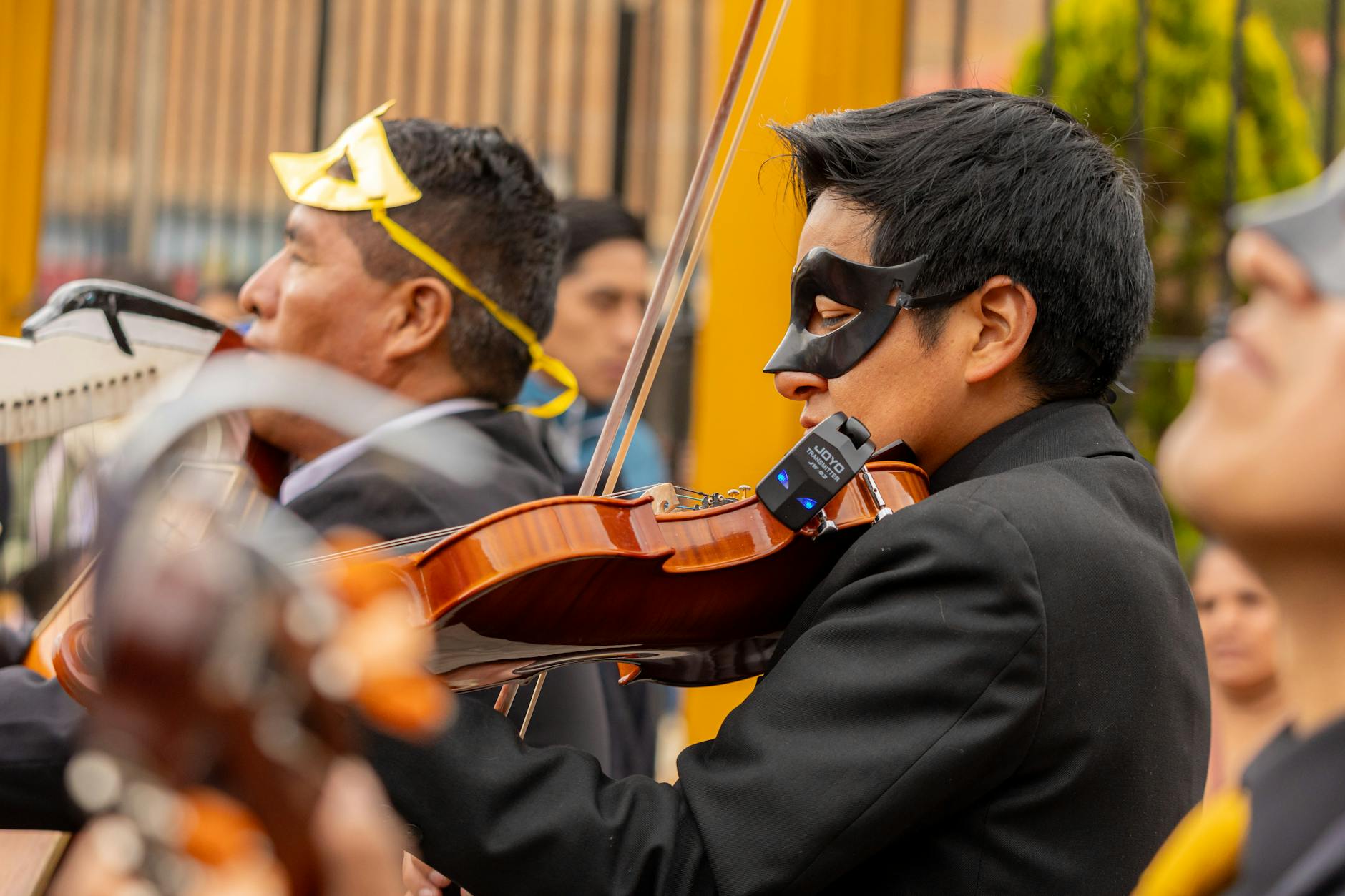
Festival organizers report that classical programming often creates the most memorable moments of their events. The contrast between high-energy electronic sets and intimate chamber music performances provides audiences with emotional variety that enhances their overall festival experience. This programming strategy reflects broader cultural trends where cultural institutions are adapting to draw younger diverse audiences through innovative presentation approaches.
Economic and Artistic Benefits Drive Programming
From a business perspective, classical programming offers festivals several advantages. Classical musicians typically require less technical infrastructure than rock or electronic acts, reducing production costs while adding prestige to festival lineups. The novelty factor generates media attention that traditional bookings cannot match, creating promotional value beyond ticket sales.
Classical artists also benefit economically from festival appearances. These performances often pay significantly more than traditional concert hall engagements while exposing them to vastly larger audiences. For emerging classical musicians, festival appearances can accelerate career development in ways that traditional classical career paths cannot match.
The artistic benefits extend beyond financial considerations. Festival environments encourage classical musicians to experiment with presentation and repertoire in ways that formal concert settings discourage. This creative freedom has led to innovative performances that push classical music into new territories while maintaining its core artistic values.
Collaborative opportunities at festivals create unique artistic possibilities. When classical musicians share stages and backstage areas with artists from other genres, spontaneous collaborations emerge. These interactions often lead to future projects that would never develop in the isolated world of classical music institutions.
Challenges and Future Directions
Programming classical music at outdoor festivals presents practical challenges. Weather, acoustics, and audience behavior create variables that don’t exist in controlled concert hall environments. However, these challenges have pushed classical musicians to develop new skills and adaptability that benefit their overall artistry.
Some classical purists argue that festival environments compromise the music’s integrity through environmental distractions and casual audience behavior. However, many classical musicians counter that these concerns reflect outdated attitudes about how classical music should be experienced rather than legitimate artistic limitations.
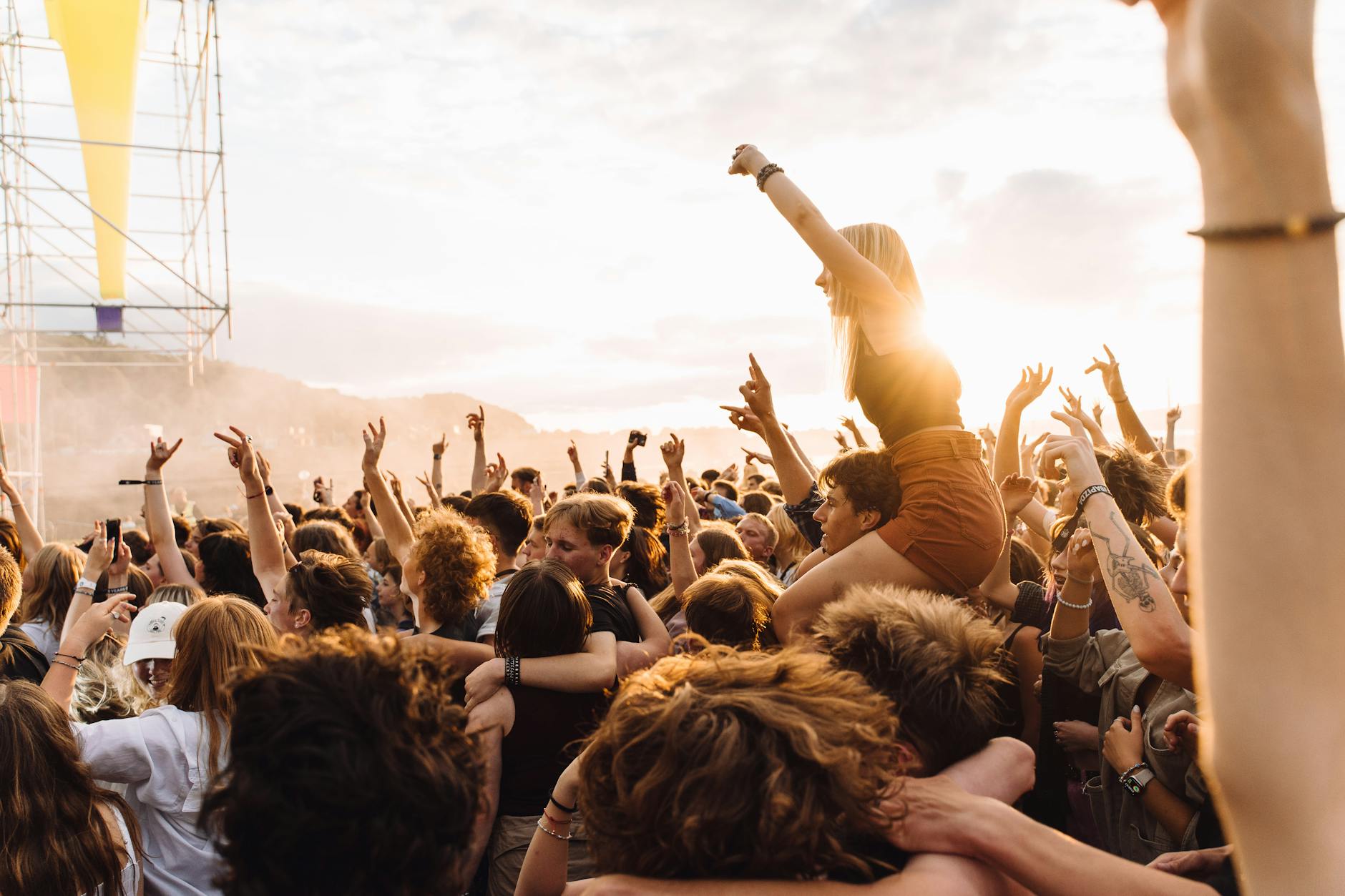
The success of classical festival programming is encouraging more experimental approaches to classical presentation. Some festivals are developing dedicated classical stages with improved acoustics, while others are creating hybrid performance spaces that combine classical and contemporary elements.
Looking ahead, this trend appears likely to expand rather than contract. As streaming continues to blur genre boundaries and younger audiences embrace diverse musical experiences, festivals will increasingly program classical artists not as novelty acts but as integral parts of their artistic vision. This evolution represents a significant shift in how both classical music and festival culture understand their audiences and artistic possibilities.
The integration of classical music into festival culture reflects broader changes in how we consume and experience art. Rather than maintaining rigid genre boundaries, audiences and artists are creating new hybrid experiences that draw from multiple traditions while creating something entirely new. This evolution benefits both classical music, which gains new audiences and creative opportunities, and festival culture, which gains artistic depth and emotional variety.
Frequently Asked Questions
Why are music festivals booking classical musicians?
Festivals want diverse programming that reflects audiences’ eclectic listening habits, and classical acts create memorable contrast moments while requiring less technical infrastructure.
Do younger audiences actually attend classical festival performances?
Yes, streaming-generation audiences approach music without genre limitations and are equally likely to enjoy classical and contemporary performances at the same event.