




Los Angeles hosted the 84th World Science Fiction Convention this weekend, and with it came the announcement of the 2026 Hugo Award winners – the genre’s popular-vote prizes, determined by eligible WorldCon members across fiction, poetry, comics, and related nonfiction.
The Big Awards and Who Took Them
Alix E. Harrow won Best Novel for The Everlasting, published by Tor Books. Harrow has been a consistent presence in the Hugo conversation for years, and The Everlasting had already drawn strong reader attention heading into the convention. A win in the novel category carries particular weight because it draws the broadest voting pool – every eligible WorldCon member gets a ballot, which means genre readers across dozens of countries shaped this outcome.
Amal El-Mohtar took Best Novella for The River Has Roots, released through Tordotcom. El-Mohtar, known primarily as a poet and critic before establishing herself as a fiction writer, has now collected Hugo recognition across multiple categories over her career. The novella form has grown considerably in prestige since Tordotcom launched as a dedicated imprint, and this win continues that imprint’s strong showing at the awards.
The short fiction categories went to two writers published in Clarkesworld. H.H. Pak won Best Novelette for “Never Eaten Vegetables,” from the January 2025 issue. Best Short Story went to Thomas Ha for “In My Country,” which appeared in the April 2025 issue. Two Clarkesworld wins in a single year reinforces the magazine’s standing as the dominant short fiction venue in science fiction and fantasy – a position it has held for well over a decade.
John Scalzi’s Old Man’s War series, published by Tor Books, won Best Series. The series has been running since the mid-2000s and has accumulated a readership large enough to make it a recurring contender. Scalzi is also one of the more vocal figures in science fiction publishing as a blogger and commentator, which has kept his work in front of readers who might otherwise have moved on from a long-running military SF franchise.
Graphic Novels, Poetry, and the Awards That Don’t Get Enough Attention
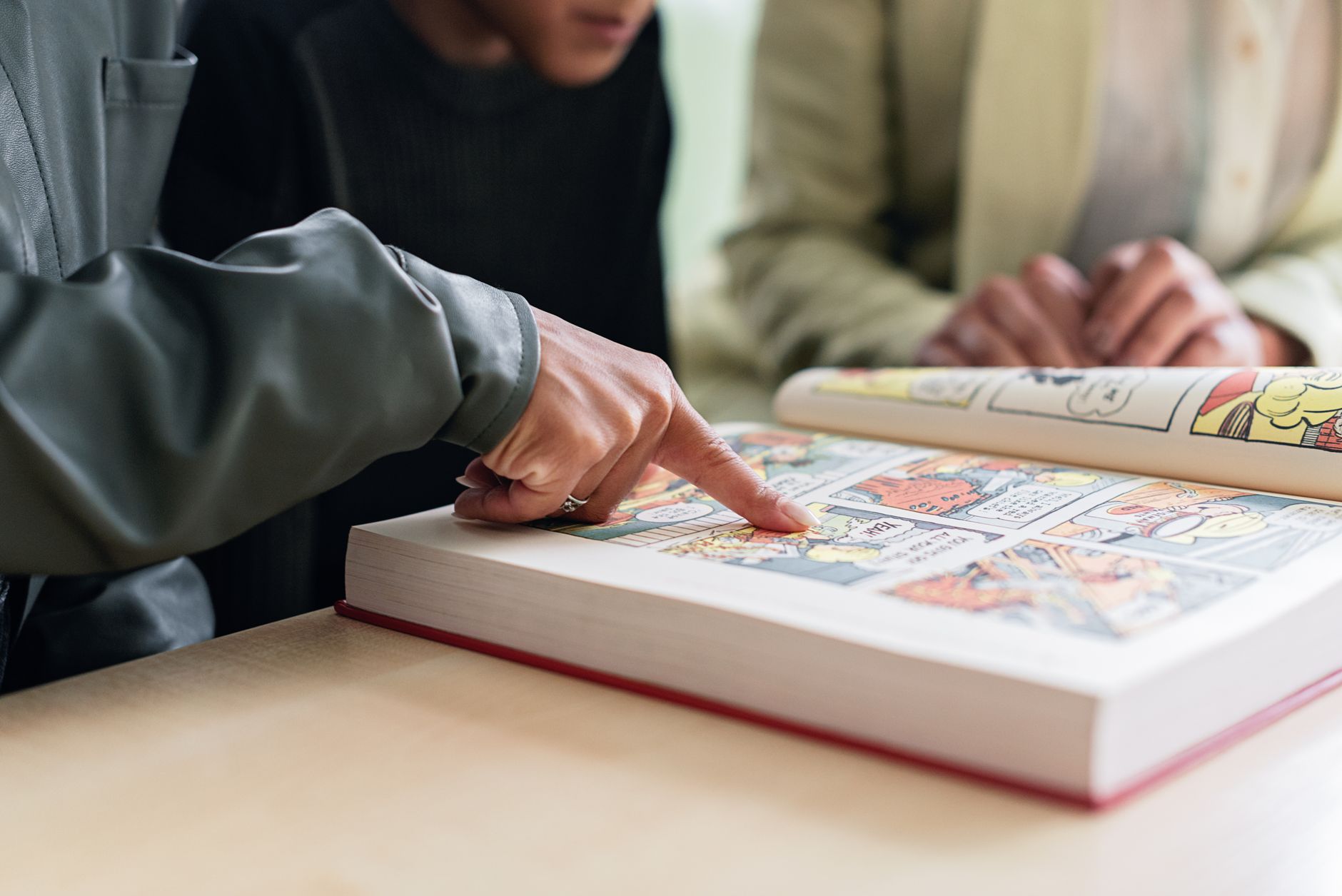
The Best Graphic Story or Comic award went to a posthumous adaptation: A Wizard of Earthsea: A Graphic Novel, based on Ursula K. Le Guin’s foundational fantasy, adapted and illustrated by Fred Fordham, published by Clarion. Le Guin died in 2018, and her Earthsea books have been in continuous print for more than five decades. Fordham’s graphic adaptation had been anticipated by fans of the original for years, and the Hugo validates the translation from prose to sequential art as something more than a commercial exercise – the judges, in this case the voters, clearly found it faithful enough to the source to merit recognition on its own terms.
Best Related Work – the category covering nonfiction, essays, and other genre-adjacent projects – went to Inventing the Renaissance by Ada Palmer, from the University of Chicago Press. Palmer is both a science fiction novelist and a historian of early modern Europe, and the book sits at the intersection of those two identities. It’s one of the more unusual Best Related Work winners in recent memory, coming from an academic press rather than the genre publishing ecosystem.
The poetry category produced a win for Elias Montgomery, whose “Hex Supply Customer Support Log” appeared in Strange Horizons on August 25, 2025. The title alone telegraphs the tone – a bureaucratic log format applied to magical supply chain complaints – and it’s the kind of formally inventive work that Strange Horizons has consistently championed. The Hugo has included a poetry category for several years now, though it remains among the less-discussed awards in the annual recap cycle.
The Lodestar Award for Best Young Adult Book, which is not a Hugo Award proper but is administered alongside it, went to Coffeeshop in an Alternate Universe by C.B. Lee, published by Feiwel & Friends. Lee has built a following in YA science fiction and fantasy, and the Lodestar has become an increasingly watched award as the YA genre has grown in both commercial scale and critical seriousness.
Antonia Hodgson won the Astounding Award for Best New Writer. The Astounding – formerly called the Campbell, renamed in 2019 after controversy over John W. Campbell’s legacy – recognizes writers who are in the early stages of their career, within a defined eligibility window. Hodgson’s win signals that the genre’s voting community is paying attention to her work, which can meaningfully accelerate the kind of readership-building that otherwise takes years of quiet accumulation.

What the Full Picture Looks Like
Across the nine categories above, Tor Books and its imprints – including Tordotcom – claimed wins in Best Novel, Best Novella, and Best Series. That concentration reflects how dominant Tor has remained in science fiction and fantasy publishing, even as smaller presses and magazines continue to develop the short fiction writers who eventually move into novel-length work. Clarkesworld, Strange Horizons, and the University of Chicago Press each claimed one award, which is a more varied spread than some recent years have produced.
The full list of winners and finalists, including categories outside the major literary awards – dramatic presentation, art direction, editing, and others – is available through Locus. Whether Harrow’s The Everlasting translates its Hugo win into the kind of broad readership crossover that occasionally follows the award, or whether it stays a genre phenomenon, is the question that tends to follow a Best Novel winner into the months after the convention closes.