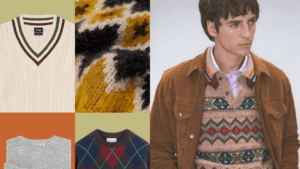





GQ’s editors have assembled 36 sweaters for its 2025 men’s list, a spread that runs from artful cashmeres to zippy cable-knits. The brief is winter comfort: the swaddliest layers on the market, paired with a primer on what to know before spending money on one.
Thirty-six is a lot of sweaters.
That number makes sense once you consider how much work one garment does. A sweater is a base layer under a coat, a stand-in for a jacket at dinner, and a substitute for a blazer at the office when the dress code allows. It gets worn more often than almost anything else in a cold-weather closet, which is why a bad one stays annoying for months and a good one can stay in rotation for years.
Start with the fiber, not the color
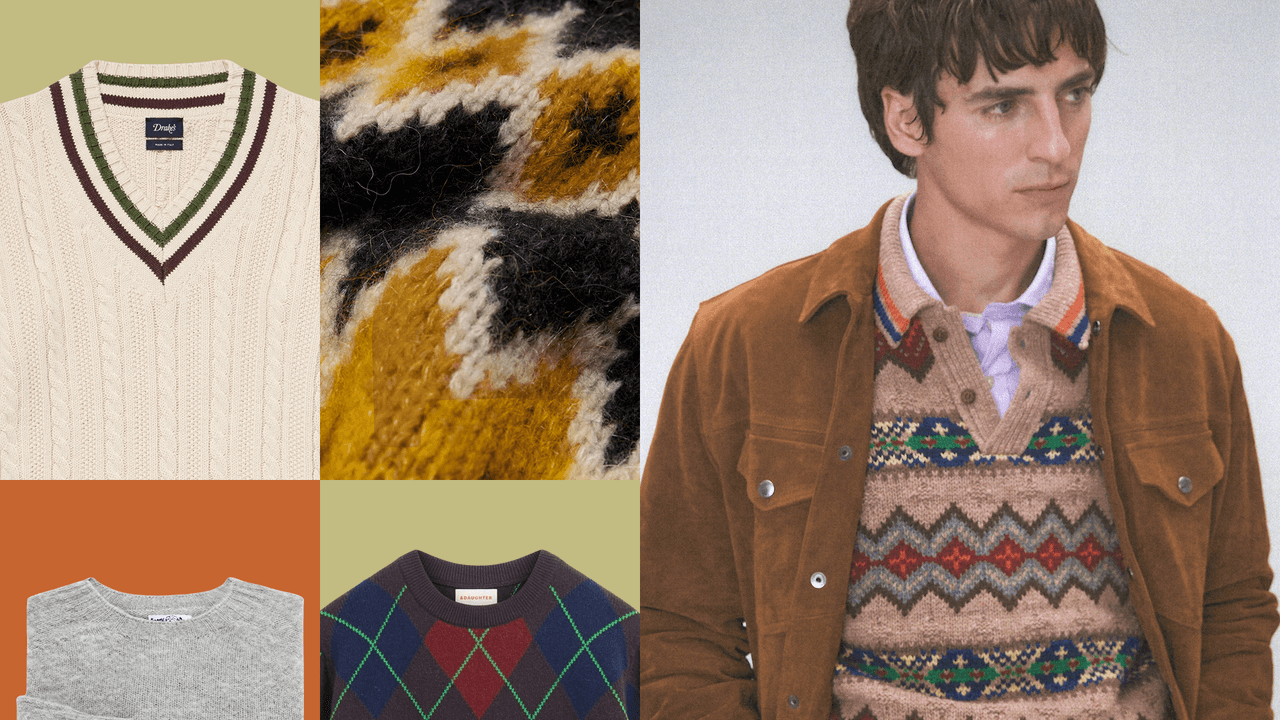
The most useful thing a sweater list can do is get you to read the tag. Cashmere, the soft end of the spectrum, comes from the undercoat of cashmere goats, and it earns its price through a light, smooth hand that traps warmth without much bulk. Merino comes from merino sheep and tends to be finer and less scratchy than ordinary wool, which makes it a sensible daily choice. Lambswool is springier and a bit more rustic. Cotton is cooler and sturdier but holds less heat, so it suits milder days and layering.
Blends deserve a fair look as well. A sweater that mixes wool with a small share of nylon or another synthetic can resist wear at the cuffs and hem better than a pure-fiber version, and it may cost less. The tradeoff is usually in feel and breathability, so check how much of the blend is synthetic. If a label says “wool” but most of the fabric is acrylic, the sweater will behave like acrylic: warm at first, then clammy, then pilled.
Color comes second, and the safest approach is to buy for what you already own. Navy, charcoal, oatmeal and forest green go with nearly everything in a typical wardrobe. A loud pattern or a saturated shade can be a great buy, but only if you can name three things in your closet it will sit well with. Otherwise it spends the season on a hanger, or more accurately a shelf.
Fit, weight and the cable-knit question
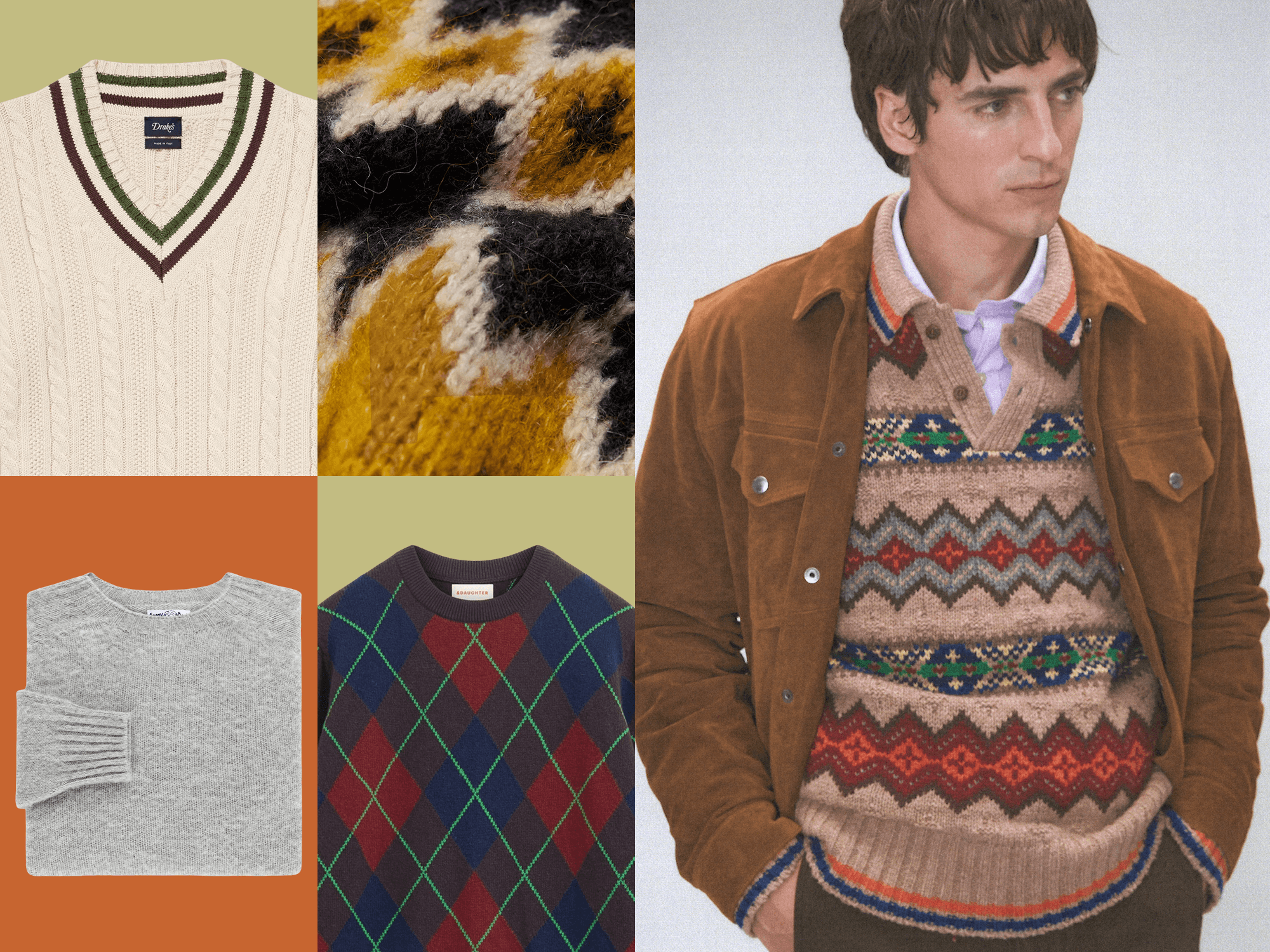
Knit weight matters as much as fiber. A fine-gauge knit is thin and smooth, slips under a jacket without adding bulk, and can pass for dressy. A chunkier knit is warmer and more casual, and it usually works as an outer layer on its own. Cable-knits sit toward the heavier end because the twisted, rope-like ribs add texture and thickness, and that is exactly their appeal. They look best when you want the sweater itself to be the point of the outfit.
Fit follows from weight. Shoulder seams should land at the edge of your shoulder, not halfway down your arm. The body should skim your torso without clinging, and the hem should settle around the belt line instead of riding up when you reach for something. Sleeves should end at the wrist bone with a little slack, since knitwear relaxes with wear. With a thick cable-knit, sizing down can look neater, but only if the shoulders and chest still move freely.
Buying is half the job. Looking after a sweater determines whether it lasts, and the habits are simple:
- Fold it, don’t hang it. Hangers stretch shoulders and leave bumps in the fabric.
- Wash less often, and gently. Wool and cashmere usually do better with cold water, hand washing or a delicate cycle, then drying flat.
- Deal with pilling early. A fabric shaver or comb takes off the fuzz, and the sweater looks new again.
- Give it a rest. Alternating sweaters between wears lets the fibers recover their shape.

Pull out the sweater you reach for most this winter and read the fiber content on the tag. Does it say what you assumed it did?