



A New Weekly Slot, Same Uncomfortable Questions
GQ has launched One More Question, a weekly interview show hosted by senior special projects editor Zach Baron, dropping every Tuesday with guests pulled from the upper tier of Hollywood, sports, comedy, and culture.
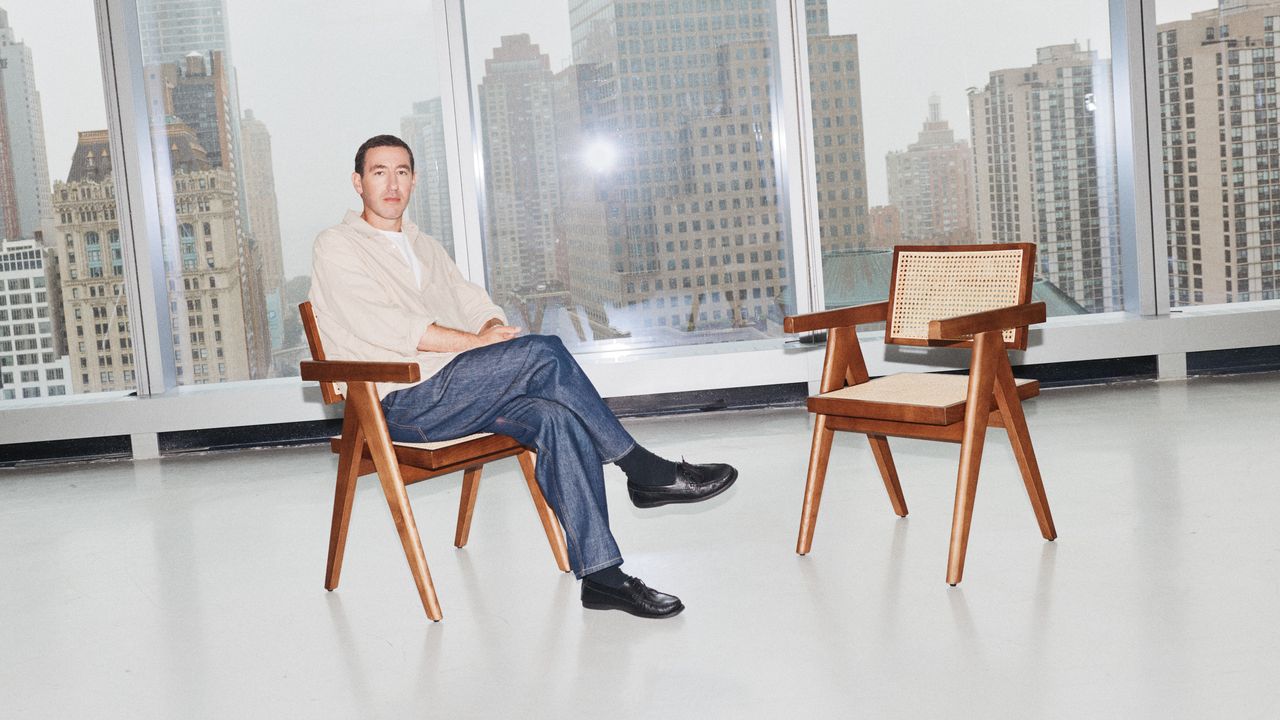
What Baron Actually Does in That Room
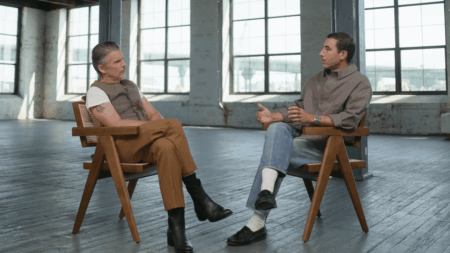
The premise is not complicated, but the execution is the thing. Baron sits across from people who have spent years managing what they say in public – actors, directors, elite athletes, comedians – and tries to get past the press-tour version of them. That is a harder job than it sounds when your subject has a publicist, a film to sell, and fifteen years of practice deflecting exactly the kind of question you want to ask.
Baron’s title at GQ, senior special projects editor, has always carried a certain flexibility. His work in print has included some of the magazine’s most closely read celebrity profiles – the kind that get screenshotted and argued about because a subject said something they maybe didn’t intend to say, or because Baron held a silence long enough that something real came through. Moving that sensibility into a weekly video format is a different discipline. Print gives a writer time to shape what happened in the room. A show gives you what happened in the room.
The format is a candid, deep-dive conversation. Not a panel, not a rapid-fire round, not a stunt. The word candid is doing real work in how GQ is describing this – it’s a signal about tone, about what Baron is supposed to be reaching for with each guest. Whether the guests are actually candid depends, as it always does, on who showed up that Tuesday and what they had to lose.
The show’s subject matter covers how world-class artists navigate success, pressure, fame, and modern life. That scope is wide enough to accommodate almost any direction a conversation could go – financial anxiety at the top, the mechanics of staying relevant, the texture of daily life when you are recognizable everywhere you go. It also means Baron isn’t locked into a single lane, which matters when you’re producing something weekly and need the conversations to feel distinct from each other.
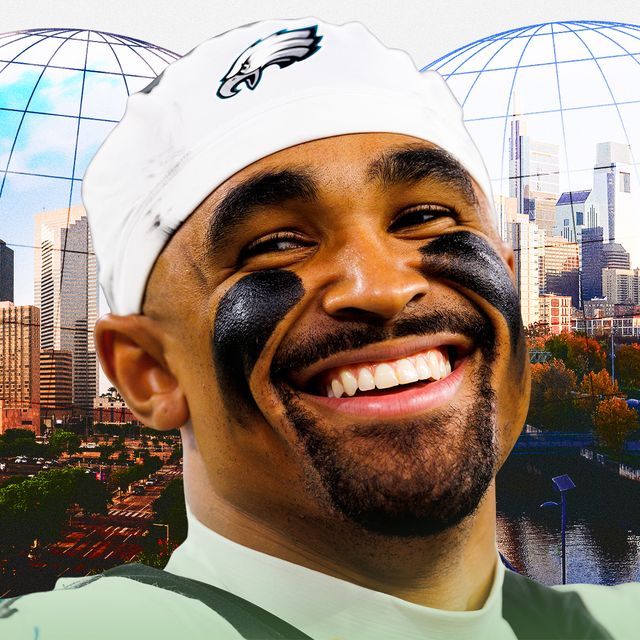
Why Tuesday, Why Now, Why This Format
Weekly is a commitment. Not just for the production schedule, but for the audience habit it’s trying to build. A Tuesday drop puts One More Question early in the week, before the noise of new releases and weekend cultural events crowds everything out. It’s a structural choice that says: this is something you return to, not something you stumble across.
GQ’s move toward video interview content isn’t happening in a vacuum. Long-form conversation shows have become a serious cultural format – not just podcast adjacents or promotional vehicles, but destinations in their own right, places where the actual news gets made. A musician says something about a feud. A director reveals the film that almost destroyed their career. An athlete describes the year everything went wrong. Those moments don’t happen in a three-minute clip package; they happen when someone has been talking long enough to stop being careful.
Baron is well-positioned for this because his instinct in print has always been to wait. His profiles tend to find their center of gravity late – a detail that surfaces halfway through, a quote that reframes everything before it. Whether that patience translates to a video format where dead air reads differently than it does on the page is the actual question the show will have to answer over time.
The guest categories – Hollywood stars, directors, elite athletes, comedians, cultural visionaries – suggest GQ isn’t narrowing this to a single industry vertical. That’s a deliberate choice when you’re asking audiences to commit to a weekly watch. Variety keeps the show from becoming a specialist product that only lands with film people, or only with sports fans. It also gives Baron a wider range of conversational registers to work in, which is where his particular skills tend to show.
There’s also a style dimension worth naming here. GQ’s position as a men’s style publication means its celebrity interviews have always carried a secondary layer – how someone presents, what they’re wearing, how their public image has shifted. Baron doesn’t lead with that, but it’s never entirely absent either. The show’s framing around fame and modern life leaves room for those questions about image management, about the gap between how someone looks to the world and how they actually operate. The pressures reshaping how artists build and sustain public personas in 2026 make that gap more interesting to interrogate than ever.

The Stakes of Doing This Every Week
Consistency is where these shows succeed or collapse. One strong episode builds interest. Five strong episodes build a show. The weekly cadence GQ has committed to with One More Question means Baron and the production need guests who are actually willing to go somewhere, not just names who showed up because their team wanted a GQ credit. The difference between those two things isn’t always visible from the outside until you’re fifteen minutes into a conversation that isn’t going anywhere.
Baron has staked a version of his reputation on whether the candid, deep-dive promise holds. His best print work has been built on access and patience – getting subjects to a place where the interview stops feeling like an interview. Whether he can do that on camera, every Tuesday, with guests whose handlers are watching, is what the show is actually testing.